






















































































































































































































Iran Oil Shock Pushes Brent Above $104 as Rupee Falls to 92.43
Rising tensions involving Iran push Brent crude above $104 while the Indian rupee weakens to 92.43, increasing fuel costs and impacting oil companies and businesses in India.
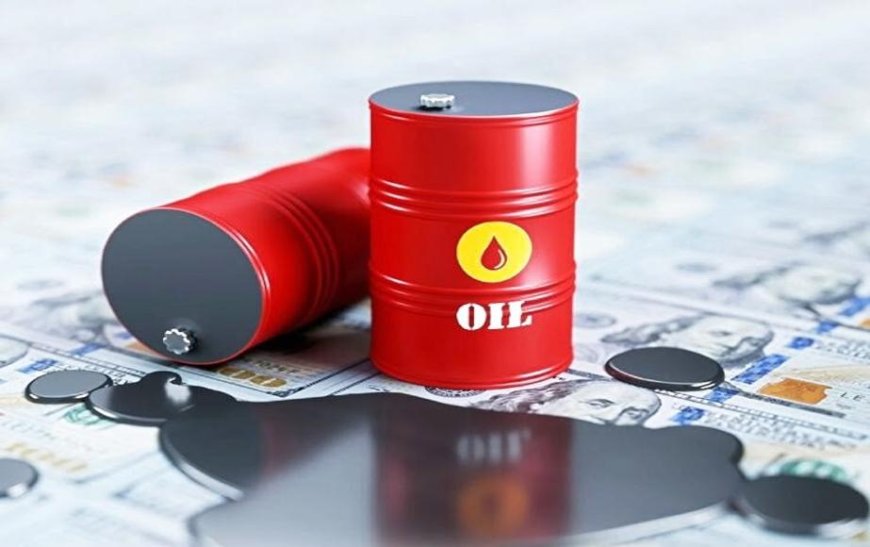
Escalating geopolitical tensions involving Iran and the alliance of the United States and Israel have triggered a sharp reaction in global oil markets. Attacks on tankers and strategic infrastructure around the Strait of Hormuz have disrupted nearly 20% of the world’s crude oil supply routes, creating immediate pressure on global energy prices.
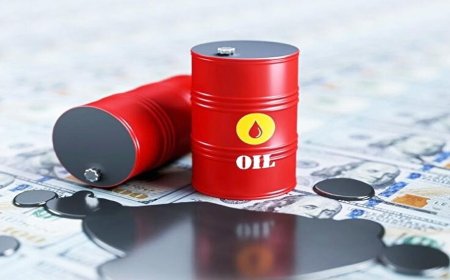
Brent crude jumped 11.6% to $103.47 before stabilising above $104, after touching an intraday high of $119.5 per barrel. Damage to refinery facilities in Tehran intensified fears of supply disruptions.
India, which consumes nearly 5.5 million barrels per day and imports around 85% of its crude, has chosen not to immediately draw from the 400-million-barrel strategic stockpile suggested by the International Energy Agency. Officials stated that domestic reserves can cover approximately 10 weeks of consumption, signalling a priority to stabilise the rupee rather than intervene directly in fuel pricing.
Rupee Weakness Adds Pressure on Energy Imports
The Indian rupee weakened to 92.43 against the US dollar, increasing the cost of crude imports and amplifying inflation risks. A weaker currency raises fuel import costs by nearly 12%, placing additional strain on transportation, logistics, and small businesses that rely heavily on diesel.
Higher energy costs are already filtering into operational expenses across sectors, particularly in manufacturing and logistics.
Public Sector Oil Companies Face Market Pressure
Shares of major public sector refiners declined after HSBC downgraded outlooks for:
-
Hindustan Petroleum Corporation Limited
-
Bharat Petroleum Corporation Limited
-
Indian Oil Corporation
The stocks fell close to 4% in trading, reflecting concerns about shrinking refining margins as crack spreads compress near $20 per barrel.
Market analysts estimate that if Brent crude remains above $100, the combined losses for these companies could reach ₹15,000 crore in the next quarter. Dividend-focused investors, particularly institutional funds active in regional markets such as Rajasthan, may see reduced yields if profitability weakens.
Meanwhile, upstream producer Oil and Natural Gas Corporation could partially benefit from higher crude prices. Expansion in production from the Krishna–Godavari Basin is expected to strengthen upstream revenue and offset some volatility in the domestic energy sector.
Local Business Impact in Jaipur
Businesses operating in Jaipur are already feeling the effects of rising fuel costs.
Commuting between Mansarovar and MI Road now costs approximately ₹3 more per kilometre, increasing daily expenses for service providers, delivery operators, and marketing teams running field campaigns.
Air travel has also been affected. Ticket prices on the Jaipur–Delhi route have climbed nearly 15%, with shares of IndiGo rising modestly amid expectations of higher airline revenues.
However, some industries may benefit from the situation:
-
Companies such as Asian Paints may gain stronger pricing power as input costs rise across the sector.
-
Export-driven textile businesses in Rajasthan could benefit from the weaker rupee, which improves global price competitiveness.
-
Infrastructure groups like Adani Group may cushion energy volatility through investments in captive renewable power.
Higher petroleum prices could also lead to an increase in GST collections, potentially rising around 8% due to higher transaction values in the fuel supply chain.
Global Energy Markets React
The wider global energy market is closely monitoring developments.
The alliance of oil-producing nations known as OPEC+ has temporarily paused production increases due to the risk of 3.3 million barrels per day of Iranian supply going offline.
At the same time, the United States has pushed oil production to a record 13.6 million barrels per day, helping stabilise supply expectations but not enough to calm market volatility. Liquefied natural gas spot prices have also moved in tandem with crude oil prices.
Investment bank Goldman Sachs currently projects average Brent prices near $77 for the second quarter, though analysts warn that any disruption in the Strait of Hormuz could push prices above $120 per barrel.
What Businesses and Investors Should Watch
Financial advisors and business planners in Rajasthan should closely track policy signals from the Reserve Bank of India, particularly ahead of upcoming monetary policy cues on March 19.
Key indicators to monitor include:
-
Rupee stability against the US dollar
-
Imported inflation driven by energy prices
-
Diesel and transportation costs are impacting SMEs
-
Global oil supply developments in the Strait of Hormuz
For logistics-heavy businesses, locking in diesel contracts or exploring fuel hedging strategies could help stabilise operating costs during this volatile period.
What's Your Reaction?
 Like
0
Like
0
 Dislike
0
Dislike
0
 Love
0
Love
0
 Funny
0
Funny
0
 Angry
0
Angry
0
 Sad
0
Sad
0
 Wow
0
Wow
0