Why IDBI Bank Shares Fell 15% Today
IDBI Bank shares dropped nearly 15% after reports the government may scrap its strategic stake sale. Here’s what investors should know.
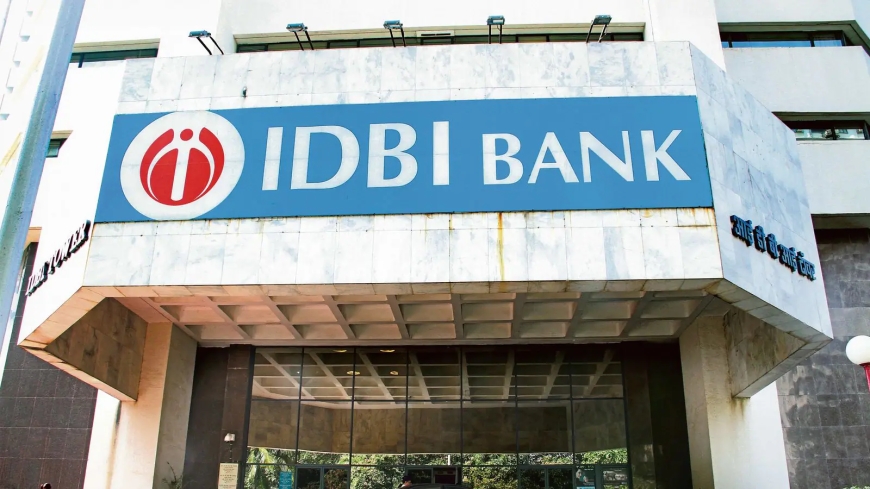
Shares of IDBI Bank plunged on 16 March 2026 after reports emerged that the Indian government may terminate the planned strategic disinvestment of the lender. This abrupt news rattled investors and sent the bank’s share price down nearly 15% intraday, marking its steepest one-day drop since June 2024.
The pending privatization was under development for years and represented a pivotal part of the government’s disinvestment plan. Reports indicate that financial bids from buyers did not meet the government’s reserve price, rendering the deal unworkable.
As news of a possible cancellation spread across the market, investors reacted quickly, resulting in a sharp decline in the bank’s stock price.
Key highlights of the market reaction:
- IDBI Bank shares dropped about 15% during Monday’s trading session.
- The fall marked the steepest single-day drop since June 2024.
- The decline occurred immediately after reports surfaced that the government might scrap the ongoing stake sale process.
- The stock slide reflected investor concerns over the future of the privatization plan.
Why the government may scrap the strategic sale
The government and the Life Insurance Corporation of India (LIC) had been attempting to privatize IDBI Bank as part of a broader banking sector reform agenda. However, the process appears to have hit a major roadblock.
Sources familiar with the development indicate that the bids submitted by potential investors were lower than the minimum valuation expected by the government, prompting authorities to consider cancelling the current sale process.
Privatization deals of this scale typically depend on market valuations, investor appetite, and broader economic conditions. In the case of IDBI Bank, the valuation gap between bidders and the government seems to have become the biggest hurdle.
Key reasons behind the possible cancellation:
- Financial bids reportedly fell below the confidential reserve price set for the sale.
- The government was not willing to accept a lower valuation for a majority stake.
- Market volatility and global economic uncertainty may have affected investor interest.
- Authorities may choose to restart the process later when conditions improve.
Details of the proposed IDBI Bank stake sale
The privatization plan was one of the most significant banking disinvestment initiatives in India. The government and LIC together planned to sell a majority stake in the lender along with management control.
The plan was first formally initiated when the government invited expressions of interest from potential buyers in October 2022. Financial bids for the transaction were submitted earlier this year.
Under the proposed deal, both the government and LIC were expected to dilute part of their holdings, allowing a new strategic investor to take control of the bank.
Important details of the stake sale plan:
- The government and LIC planned to sell a combined 60.72% stake in IDBI Bank.
- The Government of India owns about 45.48% of the bank.
- LIC holds roughly 49.24% stake and currently controls the management.
- The stake sale would have transferred management control to the winning bidder.
Who were the potential bidders
Several investors had initially shown interest in acquiring a controlling stake in the bank. After preliminary evaluations and regulatory scrutiny, a few bidders were shortlisted for the final stage of the transaction.
However, only a limited number of bidders ultimately submitted financial offers, and the valuation gap reportedly became the deciding factor behind the government’s rethink.
Reported bidders for the IDBI Bank sale:
- Fairfax Financial Holdings is a Canada-based investment firm.
- Emirates NBD is a major banking group from the Middle East.
- Kotak Mahindra Bank had earlier shown interest but did not submit a final financial bid.
The limited participation and lower-than-expected bids appear to have weakened the chances of completing the deal under current market conditions.
Impact on the government’s privatization strategy
The potential cancellation of the IDBI Bank stake sale could also affect the government’s broader disinvestment goals. Privatization of public sector assets has been a key component of India’s economic reform strategy in recent years.
If the sale is officially scrapped, the government may need to reconsider its approach to large-scale banking privatizations and explore alternative methods of raising disinvestment revenue.
Possible implications of the stalled sale:
- Delay in achieving the government’s disinvestment revenue targets.
- Need to restart the bidding process in the future.
- Potential reassessment of valuation expectations and deal structure.
- Market uncertainty regarding the timeline of privatization.
What could happen next?
Although reports suggest the current process may be scrapped, the government has not completely ruled out the privatization of IDBI Bank. Officials may consider reopening the sale process at a later stage when market valuations and investor interest improve.
For now, the situation remains fluid, and investors will be closely watching for any official confirmation from the finance ministry or the Department of Investment and Public Asset Management (DIPAM).
Possible next steps in the process:
- The government could cancel the current bidding round.
- Authorities may launch a fresh disinvestment process later.
- Market conditions and investor appetite will likely determine the future timeline of privatization.
What's Your Reaction?
 Like
0
Like
0
 Dislike
0
Dislike
0
 Love
0
Love
0
 Funny
0
Funny
0
 Angry
0
Angry
0
 Sad
0
Sad
0
 Wow
0
Wow
0

khushi
I am an author and dedicated to writing professional articles and blogs on technology, artificial intelligence, digital marketing, and emerging trends. I focus on delivering well-researched, informative, and insightful content that helps readers stay updated in the rapidly evolving digital landscape.