
Indira Gandhi: The 1966 "Desh Sevika" Victory
Explore the historic 1966 win of Indira Gandhi as India's first female PM. Learn how the "Desh Sevika" title shaped her legacy and the future of Indian politics.
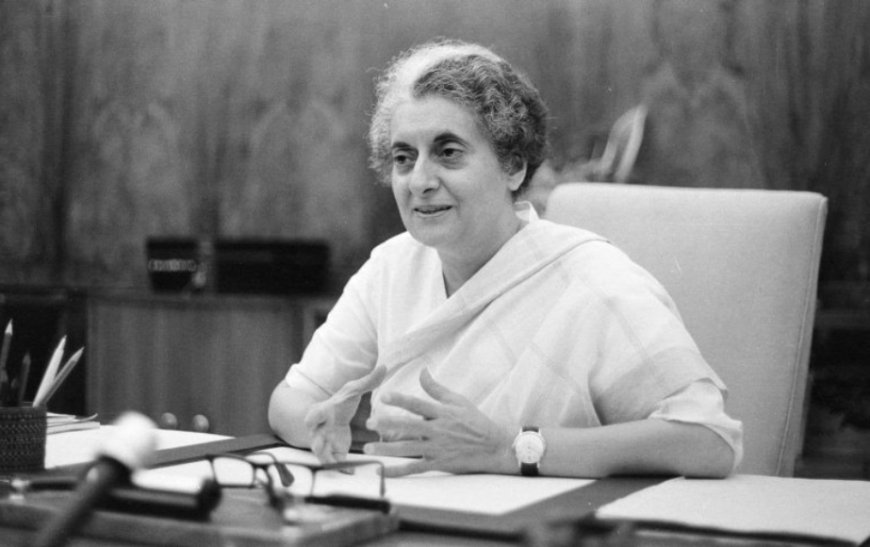
On this day, January 19, 1966, the high-domed Central Hall of India's Parliament was thick with an energy it had never felt before. While the country was still in mourning for Prime Minister Lal Bahadur Shastri, who had died suddenly in Tashkent just days earlier, the machinery of democracy was moving at a frantic pace.
By the time the sun set over New Delhi that afternoon, history had been rewritten: Indira Gandhi had emerged as India’s first female prime minister.
The Morning of the Ballot
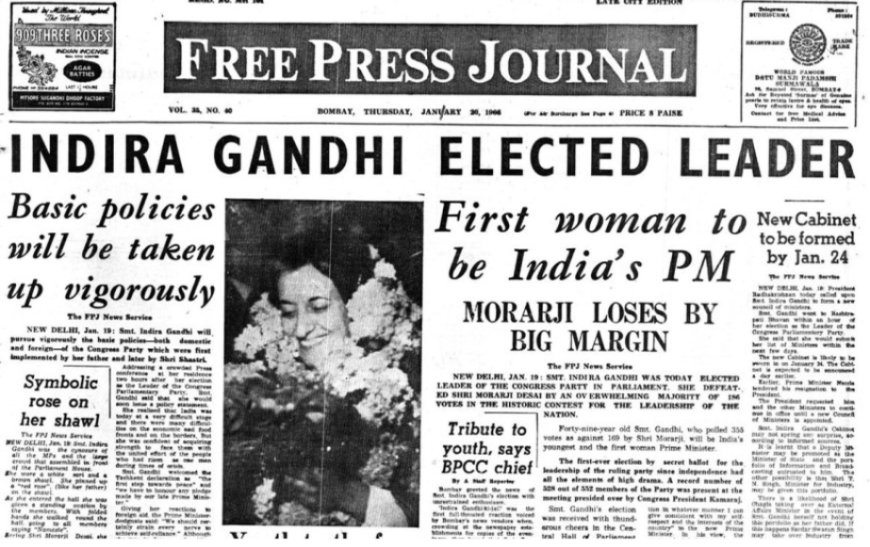
The day didn't begin with a coronation but with a battle. For the first time in independent India’s history, the leadership wasn't being decided by a quiet consensus behind closed doors. It was a "secret ballot" showdown.
Indira Gandhi, only 48 at the time, was seen by many as a "reluctant" politician. Clad in a simple white sari with a light brown shawl draped over her shoulders, she arrived at Parliament early. Her opponent was the veteran Morarji Desai—a man 22 years her senior, known for his stern, uncompromising discipline.
As the 526 Members of Parliament filed in, the tension was visible. Outside, thousands of people lined the streets, huddled together in the winter chill, waiting for any scrap of news.
The "Namaste" and the Tension
In a moment that would become legendary, Indira Gandhi walked up to her rival, Morarji Desai, before the voting began. She offered a quiet "Namaste" and, at the request of the swarm of photographers, briefly posed for a photo with him. It was a rare flash of grace in a high-stakes political drama.
As the counting dragged on through the afternoon, the city held its breath. Four different times, false rumors of a result leaked out, sending the crowd outside into a frenzy, only for silence to return.
"It’s a Girl"
Finally, around 3:00 PM, the returning officer emerged. The numbers were decisive:
- Indira Gandhi: 355 votes
- Morarji Desai: 169 votes
She had won a landslide two-thirds majority. When the official Satya Narain Sinha stepped out of the hall, the waiting crowd shouted,"What is it? Boy or girl?" (referring to the new leader).
Sinha’s reply became the headline of the decade: "It’s a girl."
The "Servant of the Nation"
Inside the hall, the "thunderous cheers" were so loud they could be heard from the street. Despite the magnitude of the win, Gandhi’s first speech was strikingly humble. She didn't speak like a victor; she spoke like a daughter of the soil.
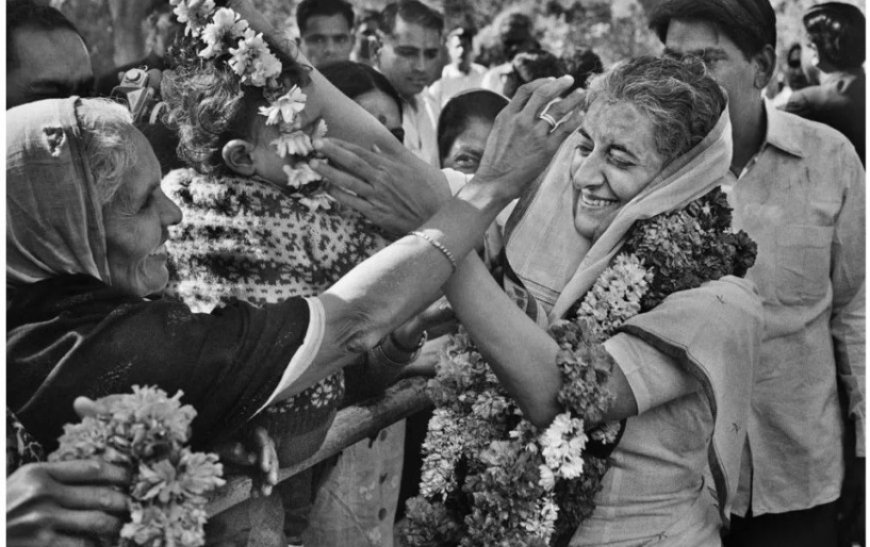
"As I stand before you, my thoughts go back to the great leaders... I am a 'Desh Sevika' (servant of the nation)
" she told the assembly, promising to uphold the socialist ideals of her father, Jawaharlal Nehru.
Why It Mattered
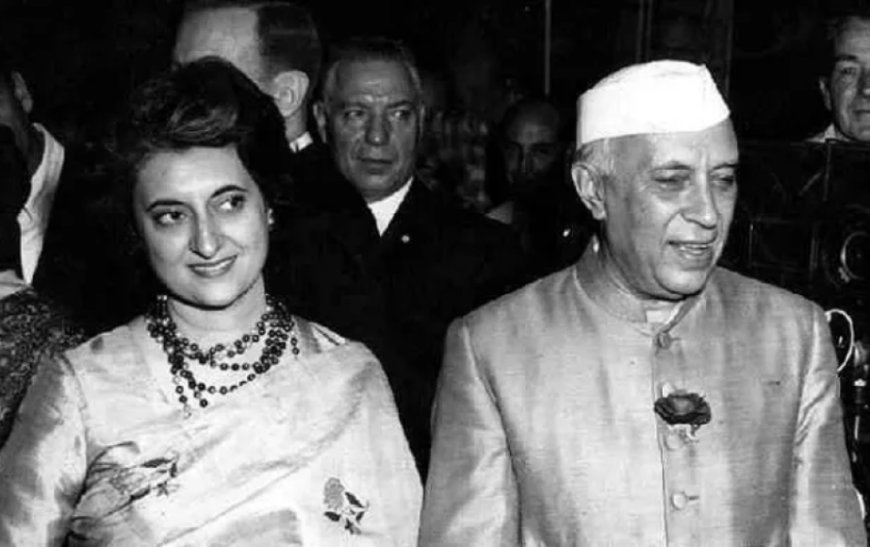
At that moment, Indira Gandhi became the leader of 480 million people. While the world's media—including Time Magazine—questioned if "troubled India" could survive in a "woman's hands," the people on the streets of Delhi felt differently. To them, she wasn't just Nehru's daughter; she was a symbol of a new, modern India.
By the time she drove to Rashtrapati Bhavan to meet President Radhakrishnan that evening, she was no longer just a minister.
What's Your Reaction?
 Like
0
Like
0
 Dislike
0
Dislike
0
 Love
0
Love
0
 Funny
0
Funny
0
 Angry
0
Angry
0
 Sad
0
Sad
0
 Wow
0
Wow
0
Hema latha
Interested in innovation, technology, and business success stories. I enjoy analyzing trends that have a positive social and economic impact.