Sustainable Projects: How to Build a Zero-Waste Home Office
Create a zero-waste home office with this step-by-step sustainable project guide. Reduce waste, save energy, and work eco-friendly at home.
Zero-Waste Home Office: Step-by-Step Guide to a Sustainable Workspace
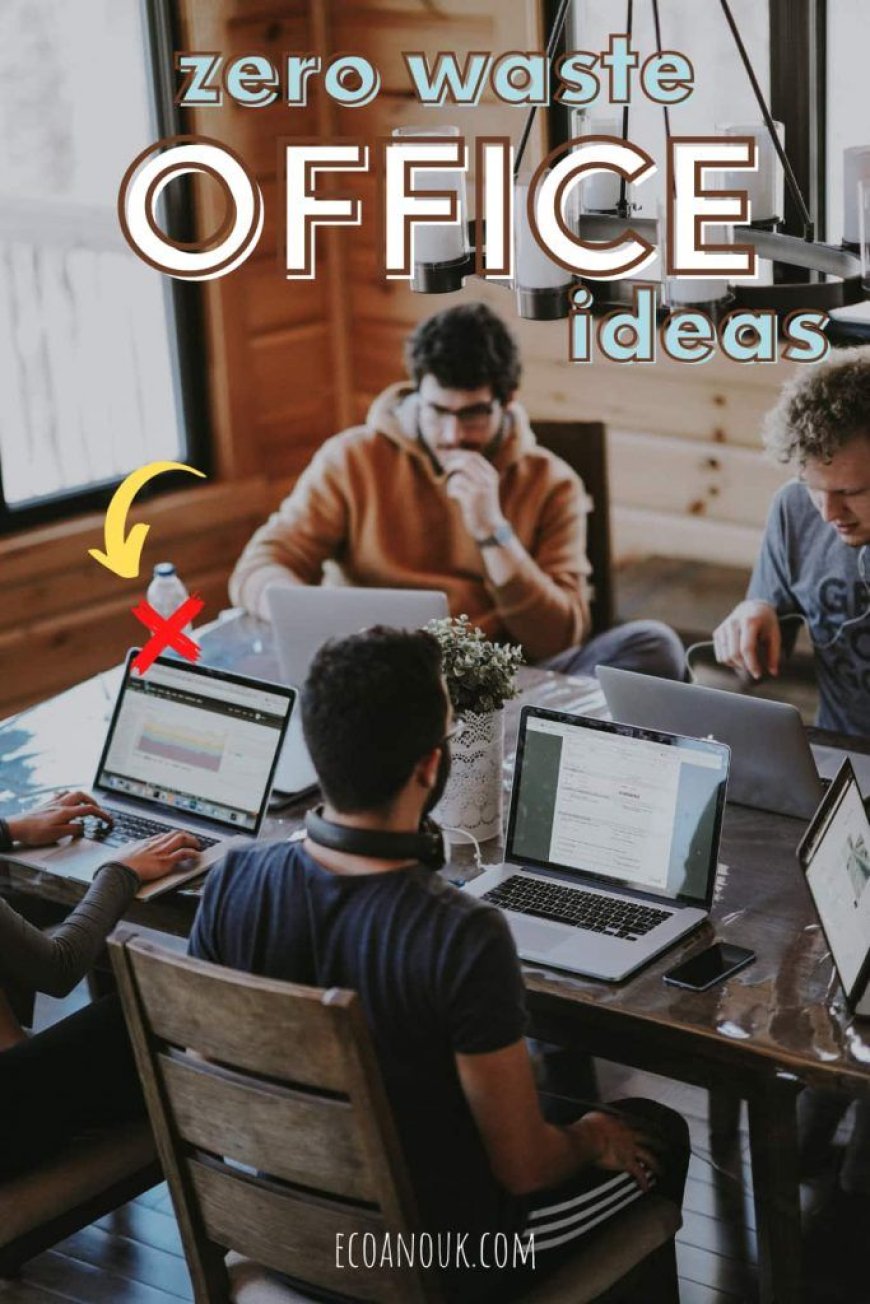 As remote work becomes more common, the zero-waste home office is no longer just a trend but a necessity. A typical home office can quietly produce significant waste through paper usage, disposable supplies, inefficient electronics, and excess energy consumption. Creating an eco-friendly home office helps reduce environmental harm while improving organization and efficiency. By adopting mindful choices and sustainable habits, anyone can transform their workspace into a more responsible and productive sustainable workspace that supports both professional goals and the planet.
Step 1: Assess Your Current Workspace
Before purchasing anything new, it is important to understand what you already have. Conducting a thorough assessment helps avoid unnecessary consumption and aligns with zero-waste principles.
Identify Waste-Generating Items
Start by listing all furniture, electronics, stationery, and décor items in your office. Identify items that generate the most waste, such as disposable pens, excess paper, ink cartridges, or plastic organizers.
Reuse, Repair, or Repurpose
Evaluate which items can be reused, repaired, or repurposed. For example, jars can become pen holders, and old drawers can serve as storage units. This step reinforces the idea of reducing waste before recycling or replacing items.
Step 2: Choose Sustainable Furniture
Furniture has a long-term impact on the environmental footprint of a home office.
Reuse and Buy Second-Hand
Reusing existing furniture is the most sustainable choice. If new items are needed, opt for second-hand desks or chairs from thrift stores or online marketplaces. This reduces demand for new materials and keeps furniture out of landfills.
Select Eco-Friendly Materials
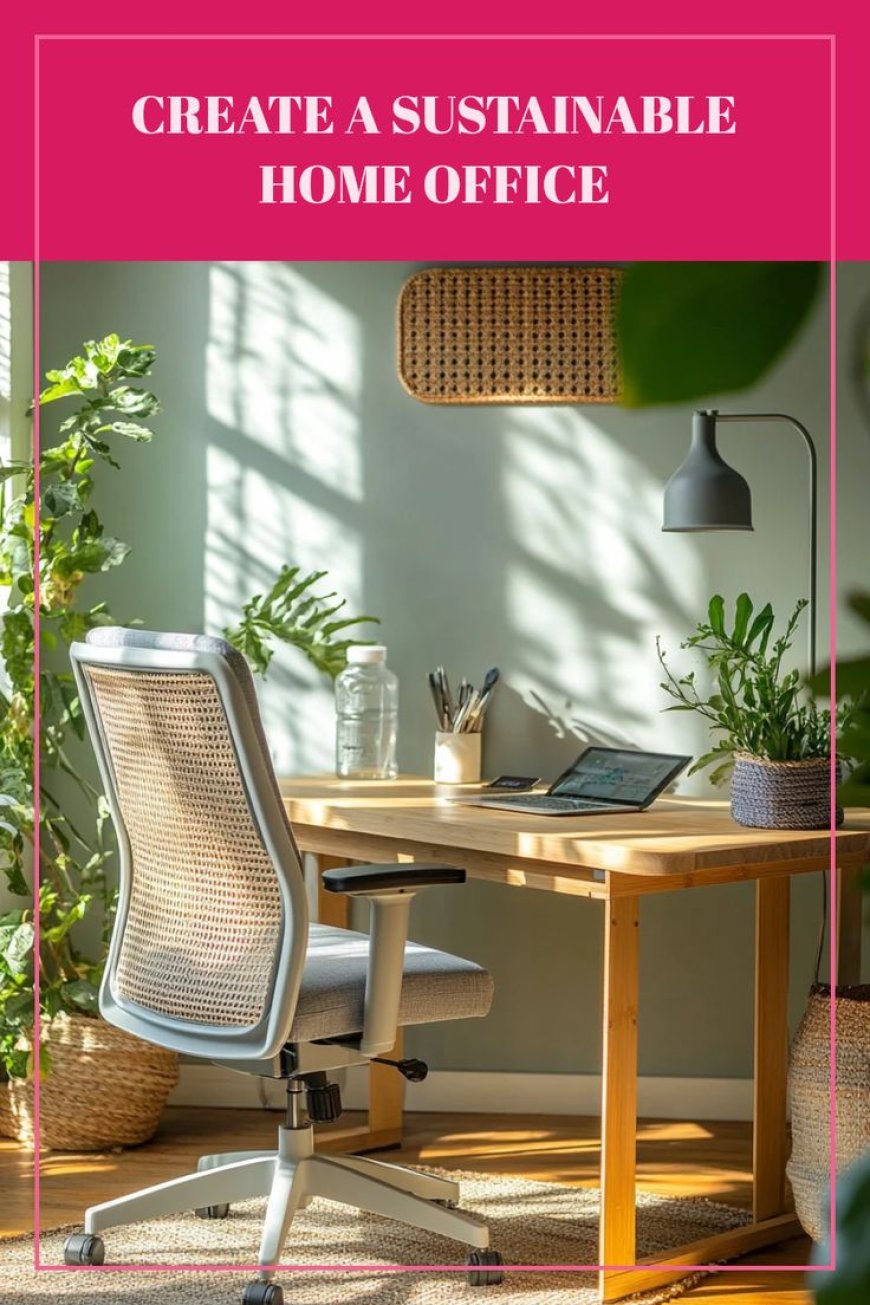
Choose furniture made from reclaimed wood, bamboo, or recycled materials. Avoid furniture with excessive plastic or toxic finishes. High-quality, durable furniture supports a long-lasting, sustainable workspace and reduces replacement waste over time.
Step 3: Go Paperless
Paper waste remains one of the largest contributors to office trash.
Embrace Digital Tools
Use digital tools for note-taking, project management, scheduling, and document storage. Cloud-based platforms eliminate the need for physical files and make information easily accessible.
Reduce Necessary Printing
When printing is unavoidable, print double-sided and use recycled paper. Keep a small tray for scrap paper that can be reused for rough notes or brainstorming. A paper-reduced system keeps your zero-waste home office efficient and clutter-free.
Step 4: Use Refillable and Reusable Supplies
Office stationery may seem small, but daily use creates long-term waste.
Replace Disposable Items
Switch to refillable pens and markers instead of disposable ones. Mechanical pencils are more sustainable than wooden pencils, which require constant sharpening and replacement.
Choose Digital Alternatives
Replace sticky notes with digital reminders and task management apps. Store supplies in reusable containers instead of buying plastic organizers. These small changes significantly reduce daily waste in an eco-friendly home office.
Step 5: Manage E-Waste Responsibly
Electronics are essential in a modern workspace, but improper disposal can harm the environment.
Buy Smart and Maintain Devices
Choose energy-efficient electronics with longer lifespans. Maintain devices properly to extend their usability, and consider repairing items instead of replacing them at the first sign of damage.
Recycle and Donate Electronics
When electronics are no longer usable, donate them if possible or recycle them through certified e-waste programs. Use rechargeable batteries rather than disposable ones to reduce toxic waste.
Step 6: Reduce Energy Consumption
Energy efficiency plays a key role in building a zero-waste home office.
Optimize Natural and Artificial Light
Position your workspace near windows to maximize natural light. Replace traditional bulbs with LED lights, which use less energy and last longer.
Minimize Power Waste
Turn off devices when not in use and unplug chargers. Smart power strips help reduce phantom energy loss from electronics that continue drawing power even when turned off.
Step 7: Choose Eco-Friendly Cleaning and Décor
A sustainable workspace also prioritizes healthy and low-waste maintenance.
Use Natural Cleaning Solutions
Clean desks and equipment using natural cleaners such as vinegar, baking soda, or lemon. Avoid chemical sprays packaged in disposable plastic bottles.
Decorate Sustainably
Decorate your office with indoor plants to improve air quality and create a calming environment. Choose handmade, recycled, or upcycled décor items to personalize your eco-friendly home office without increasing waste.
Step 8: Maintain Zero-Waste Habits
Creating a zero-waste workspace is an ongoing process, not a one-time task.
Build Long-Term Sustainable Practices
Regularly review your office habits to identify areas for improvement. Compost biodegradable waste if possible, and continue learning about new sustainable alternatives.
Encourage a Zero-Waste Mindset
Share your zero-waste practices with colleagues or family members. Encouraging others helps spread awareness and reinforces your own commitment to maintaining a sustainable workspace.
Conclusion: A Practical Path to Sustainability
Building a zero-waste home office is a meaningful step toward environmental responsibility and personal well-being. By rethinking consumption, choosing eco-friendly alternatives, and maintaining mindful habits, you can create a workspace that supports productivity while reducing environmental impact. Small actions, practiced consistently, result in significant long-term benefits—proving that sustainability can begin right at your desk.
What's Your Reaction?
 Like
0
Like
0
 Dislike
0
Dislike
0
 Love
0
Love
0
 Funny
0
Funny
0
 Angry
0
Angry
0
 Sad
0
Sad
0
 Wow
0
Wow
0

Harshita Dhakad
Now working as a Social Media Marketing Executive at [Shakuniya Solutions Pvt Ltd]
Excited to create content that connects, campaigns that convert, and communities that grow. 💻💡 #SocialMediaLife #MarketingJourney”