





















































































































































































































India Middle East Flights Disrupted Amid Tensions
India–Middle East flights face disruptions as Air India operates 80 services and IndiGo cancels 97 flights. Regional tensions impact routes, schedules.
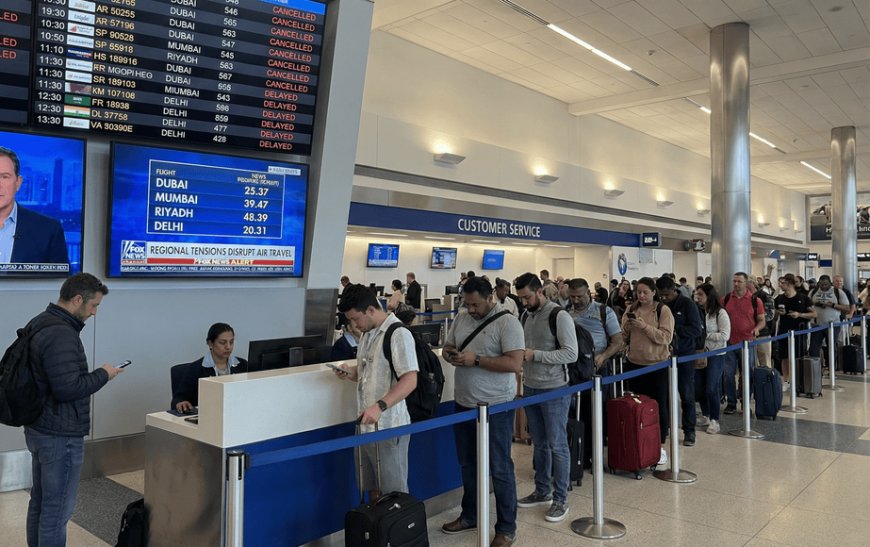
Air travel between India and the Middle East has faced significant disruptions in recent weeks as tensions across West Asia have affected aviation routes and airspace availability. Airlines operating on these routes have been forced to cancel flights, change schedules, or reroute aircraft to avoid restricted areas.
Among the airlines affected, Air India and IndiGo have seen major operational challenges. According to aviation updates reported by major news outlets, Air India has continued operating around 80 flights to destinations in the Middle East, while IndiGo cancelled approximately 97 flights due to airspace restrictions and safety concerns.
The situation highlights how geopolitical developments can quickly disrupt international aviation networks and affect thousands of travellers.
Why Flights Between India and the Middle East Are Being Disrupted
Several factors have contributed to the recent flight disruptions between India and West Asian countries. Aviation experts say the problems are mainly linked to regional tensions and airspace closures.
Regional Conflict and Airspace Restrictions
The primary reason for the flight disruptions is the escalation of tensions in parts of West Asia. As the conflict intensified, some countries temporarily restricted or closed sections of their airspace for security reasons.
Airspace restrictions in countries such as Qatar, Bahrain, Kuwait, and the United Arab Emirates forced airlines to reconsider their routes. In aviation, safety is always the top priority, so airlines must avoid flying through areas where military activity or missile threats are possible.
Because of these restrictions, airlines operating between India and the Middle East had to either suspend services temporarily or find alternative flight paths.
Flight Route Changes and Longer Travel Times
In addition to cancellations, several airlines have been rerouting flights to avoid restricted airspace. Rerouting means aircraft must travel longer distances, which increases fuel consumption and travel time.
Flights travelling from India to destinations in Europe or North America often pass through Middle Eastern airspace. When that airspace becomes restricted, airlines must redirect aircraft through other corridors.
These longer routes can lead to:
-
Increased fuel costs for airlines
-
Longer travel times for passengers
-
Changes in flight schedules
-
Fewer available flights on certain routes
As a result, airlines sometimes reduce the number of flights they operate until conditions improve.
Impact on Indian Airlines
Indian airlines operate hundreds of flights every week to destinations across the Middle East, including major hubs such as Dubai, Abu Dhabi, Doha, Muscat, and Jeddah. These routes are important because millions of Indian expatriates live and work in Gulf countries.
The current disruptions have therefore had a noticeable effect on Indian carriers.
Air India Operations
Air India has continued operating flights to several Middle Eastern destinations while monitoring the situation closely. The airline reported operating around 80 flights despite the regional disruptions.
However, many of these flights have required adjustments, including:
-
Changes in flight paths
-
Longer travel times
-
Modified departure schedules
In some cases, the airline has also added flights on certain international routes to accommodate passengers affected by cancellations.
IndiGo Flight Cancellations
IndiGo, India’s largest airline by passenger numbers, has been significantly affected by the situation. Reports indicate that the airline cancelled approximately 97 flights connected to Middle East routes because of airspace restrictions and operational challenges.
These cancellations affected passengers travelling to several destinations across the Gulf region, including Dubai, Abu Dhabi, Muscat, Doha, and Jeddah.
The airline also cancelled more than 100 international flights earlier in March after restrictions were introduced in parts of West Asia. Thousands of passengers had to reschedule their travel plans as a result.
Economic Impact on Airlines
Flight disruptions not only affect passengers. They also create financial challenges for airlines.
When flights are cancelled or rerouted, airlines must deal with several additional costs, including:
-
Higher fuel consumption due to longer routes
-
Additional operational expenses
-
Reduced passenger capacity
-
Loss of revenue from cancelled flights
Fuel costs are one of the biggest expenses for airlines. As tensions in the Middle East pushed fuel prices higher, IndiGo introduced a fuel surcharge on certain flights to help manage the increased costs.
If disruptions continue for a longer period, airlines may face higher operating costs and reduced profitability.
Impact on Passengers
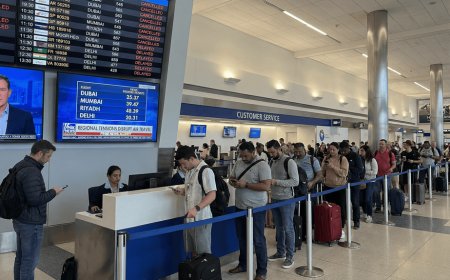
The disruptions have affected thousands of passengers travelling between India and the Middle East. Many travellers have experienced sudden changes to their travel plans.
Common problems faced by passengers include:
-
Flight cancellations at short notice
-
Delays in departures and arrivals
-
Longer travel routes and increased travel time
-
Difficulties in rescheduling tickets
Travel agents say passengers travelling for work, family visits, or emergencies have been particularly affected. Some travellers have also been stranded temporarily at airports while waiting for alternative flights.
Major Airports Affected
Several international airports in the Middle East have experienced disruptions due to the current situation.
Some of the airports affected include:
-
Dubai International Airport
-
Hamad International Airport in Doha
-
Abu Dhabi International Airport
These airports are among the busiest aviation hubs in the world and serve millions of passengers each year. Even small disruptions in flight schedules can affect large numbers of travellers passing through these airports.
Government and Airline Response
Authorities and airlines have taken several steps to manage the disruptions and support affected passengers.
Some of the measures include:
-
Issuing travel advisories for passengers
-
Offering refunds or free rescheduling for cancelled flights
-
Monitoring airspace safety conditions
-
Adjusting flight schedules based on the latest updates
Airlines are also coordinating with aviation authorities to ensure that flights operate safely while minimising inconvenience to passengers.
When Will Flights Return to Normal
Aviation experts say the situation could improve gradually if tensions in the region ease. Some airlines have already started restoring limited services on certain routes after temporary suspensions.
However, the full recovery of flight schedules will depend on how quickly airspace restrictions are lifted and regional stability returns.
Until then, airlines are likely to continue operating with caution and adjusting schedules when necessary.
Conclusion
According to reports from The Times of India, Financial Express, and other aviation updates published on March 14, 2026, airlines adjusted operations as airspace restrictions affected routes between India and the Middle East.
The recent disruptions in flights between India and the Middle East show how closely global aviation depends on geopolitical stability. Rising tensions in West Asia have forced airlines to cancel flights, reroute aircraft, and operate reduced schedules.
Indian carriers such as Air India and IndiGo have been particularly affected. While Air India continues operating around 80 flights, IndiGo has cancelled approximately 97 flights due to airspace restrictions and safety concerns.
For passengers and airlines alike, the situation highlights the challenges that international travel can face during periods of geopolitical uncertainty. As conditions evolve, travellers are advised to stay updated on airline announcements and travel advisories before planning their journeys.
What's Your Reaction?
 Like
0
Like
0
 Dislike
0
Dislike
0
 Love
0
Love
0
 Funny
0
Funny
0
 Angry
0
Angry
0
 Sad
0
Sad
0
 Wow
0
Wow
0