
Top 10 Safe Places in India for Solo Travel
Explore the Top 10 Safe Places in India for solo travel in 2026. Discover secure cities, tourism data, safety policies, and travel insights.
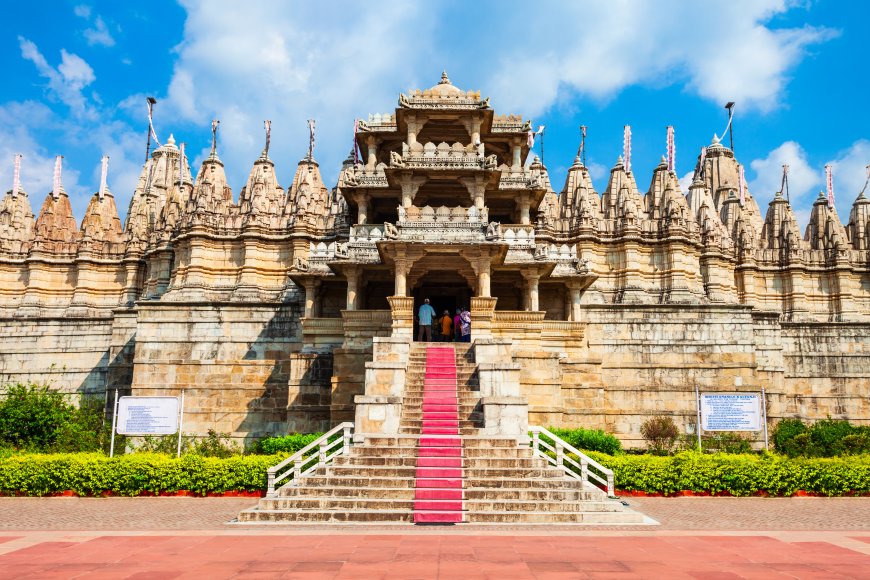
India’s solo travel segment is expanding steadily, with safety emerging as the decisive factor for independent travellers. Industry data and government tourism updates indicate a measurable rise in bookings for destinations widely recognised as secure, well-policed and infrastructure-ready. A recent industry guide highlighting the Top 10 Safe Places for solo journeys has gained traction as demand accelerates ahead of the 2026 summer season.
According to the Ministry of Tourism, domestic tourist visits crossed 2.3 billion in 2024, reflecting continued recovery and expansion following pandemic disruptions, as reported by The Hindu. Increased participation by women and first-time solo travellers has reshaped destination preferences, shifting attention toward cities and regions with lower crime perception, strong community networks and established transport systems.
The curated list of Top 10 Safe Places, published by Bout India, identifies destinations including Rishikesh, Udaipur, Munnar, Pondicherry, Gangtok and Jaipur as favourable for independent travellers due to organised tourism ecosystems and visible security arrangements.
Why the Top 10 Safe Places Are Drawing Solo Travellers
Security data and infrastructure upgrades have influenced booking patterns. The Ministry of Home Affairs reported continued investments in women-focused safety mechanisms, including expanded CCTV coverage and emergency response systems across major tourist circuits. The Indian Express previously reported that several states increased funding allocations for tourist police units between 2023 and 2025 to improve on-ground monitoring.
Rishikesh and Gangtok, frequently appearing in discussions around the Top 10 Safe Places, benefit from regulated adventure tourism frameworks. Uttarakhand authorities introduced stricter river-rafting compliance rules in 2023 following safety audits, requiring operator licensing and insurance coverage. These measures have strengthened confidence among independent visitors.
Similarly, Rajasthan’s tourism department expanded its Tourist Assistance Force across Jaipur and Udaipur, according to Business Standard, deploying multilingual officers in high-footfall heritage zones.
Economic Impact of the Top 10 Safe Places Trend
Travel analysts suggest that the rising interest in the Top 10 Safe Places category has begun influencing revenue distribution within India’s tourism economy. Economic Times reported that experiential and boutique stays saw double-digit growth in 2025, particularly in hill towns and heritage cities popular with solo travellers.
Hospitality operators in Kerala’s Munnar region recorded occupancy rates exceeding 80% during peak months last year, driven partly by independent travellers seeking quieter destinations. Kerala Tourism officials stated in December 2025 that responsible tourism initiatives generated over ₹2,000 crore in local income through community-linked enterprises.
In Puducherry, local authorities have expanded beachfront surveillance and pedestrian-friendly zones. According to LiveMint, the Union Territory’s tourism receipts rose by approximately 18% year-on-year in 2025, supported by domestic travel demand.
The financial implications extend beyond hotels. Transport providers, guided tour operators and homestay networks in the Top 10 Safe Places destinations report sustained demand during non-peak seasons, reducing volatility that traditionally affected regional tourism markets.
Policy Measures Supporting Top 10 Safe Places Framework
Central and state governments have intensified coordination on tourist safety. In 2024, the Ministry of Tourism renewed its “Safe Tourist Destinations” initiative, encouraging states to strengthen emergency helplines and deploy dedicated tourist police units.
Officials from the Ministry confirmed to Reuters in mid-2025 that discussions were underway to integrate real-time grievance redressal systems into state tourism apps. Several of the Top 10 Safe Places identified in travel advisories already operate 24-hour helplines connected to local law enforcement.
The Ministry of Women and Child Development has also promoted safe-stay certifications for women travellers. While participation remains voluntary, cities such as Jaipur and Udaipur have begun listing certified accommodations on official portals.
Transport connectivity has played a supporting role. According to BBC coverage on India’s infrastructure push, the expansion of regional airports and semi-high-speed rail corridors has improved access to tier-2 destinations. Enhanced connectivity reduces isolation risks and shortens emergency response times, reinforcing their position among the Top 10 Safe Places.
Traveller Behaviour and Data Indicators
Survey findings cited by Economic Times in 2025 showed that nearly 62% of Indian solo travellers prioritised destinations perceived as safe over budget considerations. Female travellers accounted for a growing share of bookings in spiritual and wellness hubs such as Rishikesh and Pondicherry.
Insurance uptake has also increased. Insurers reported higher demand for short-term domestic travel coverage, particularly among first-time solo travellers. Industry executives told Business Standard that policy purchases for domestic leisure trips rose by 28% year-on-year in 2025.
Digital tools are shaping decisions. Real-time reviews, government-verified listings and safety ratings influence how travellers evaluate the Top 10 Safe Places before booking.
Forward Outlook for Top 10 Safe Places in 2026
Officials anticipate sustained growth in solo travel across India through 2026. The Ministry of Tourism has projected continued expansion in domestic tourism spending, supported by rising disposable incomes and improved infrastructure.
State governments are preparing for increased footfall in the destinations classified under the Top 10 Safe Places umbrella. Uttarakhand and Rajasthan have announced additional budget allocations for tourist assistance centres in their 2026 fiscal plans.
Industry stakeholders expect further policy alignment between safety standards and tourism marketing campaigns. Certification systems, regulated adventure activities and expanded surveillance networks are likely to remain central to positioning these destinations.
The growing prominence of the Top 10 Safe Places concept reflects measurable shifts in traveller priorities. Safety infrastructure, economic spillovers and structured policy support now form the backbone of India’s solo travel narrative for 2026.
What's Your Reaction?
 Like
1
Like
1
 Dislike
1
Dislike
1
 Love
0
Love
0
 Funny
0
Funny
0
 Angry
1
Angry
1
 Sad
1
Sad
1
 Wow
0
Wow
0

Related Posts



-
 JAHIDnice information