
















































































































































































































West Asia Conflict Impact on India's Economy Risks
Rising oil prices and trade disruptions from the West Asia conflict are impacting India's economy, markets, Surat diamond trade, IT security and aviation.
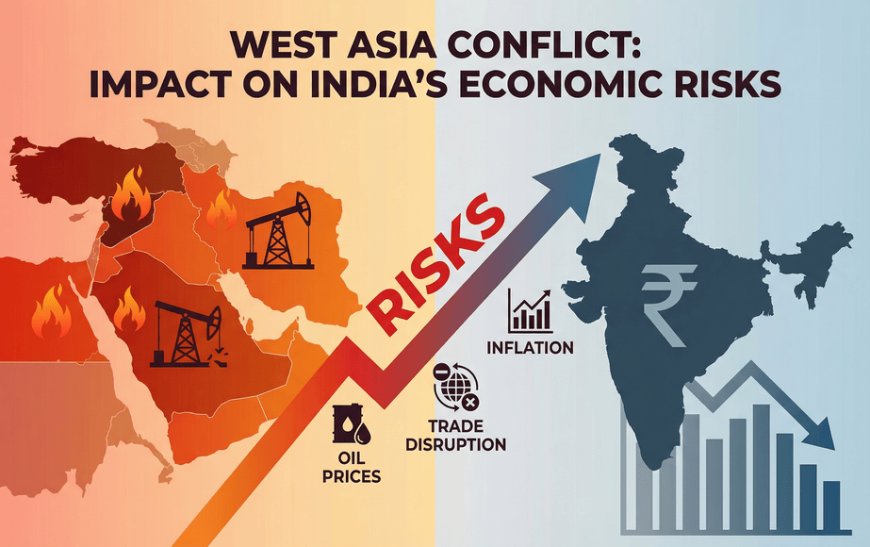
The growing conflict in West Asia is beginning to shake India’s economy in visible ways, from rising oil costs to disruptions in exports and financial markets. What started as a geopolitical standoff involving Iran, Israel and the United States is now affecting supply chains, inflation forecasts and business confidence across several sectors in India.
The International Monetary Fund (IMF) has issued a clear warning: governments must prepare for sudden economic shocks as energy prices surge and global trade routes become uncertain. IMF Managing Director Kristalina Georgieva recently cautioned policymakers to “think of the unthinkable”, highlighting the risk of rising inflation if oil prices continue climbing. A sustained 10% increase in oil prices could push global inflation higher by around 0.4 percentage points, putting pressure on economies already dealing with slow growth.
For India, the risk is especially serious because the country depends heavily on imported energy and trade routes that pass through the Gulf region.
Oil Shock and Energy Security Risks
India’s biggest economic vulnerability during the conflict is energy imports.
India imports the majority of its crude oil and a significant portion of its liquefied natural gas from the Middle East. When tensions disrupt shipping routes such as the Strait of Hormuz, the flow of crude and LNG can slow dramatically, pushing prices higher.
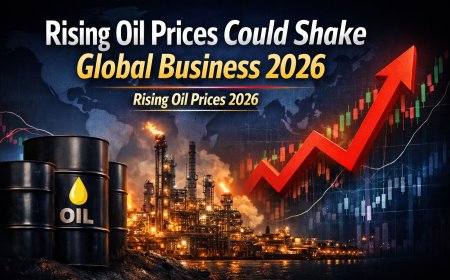
Recent reports suggest Brent crude has surged sharply since the conflict intensified, in some cases moving from around $65–$70 per barrel earlier in the year to over $100 in recent weeks.
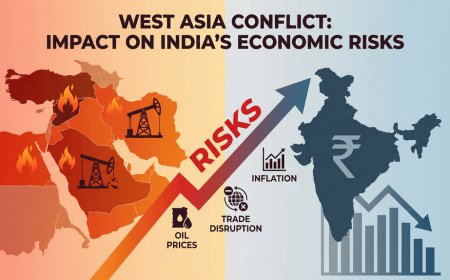
Higher oil prices quickly ripple through the Indian economy:
-
Fuel and transport costs rise.
-
Manufacturing expenses increase
-
Inflation pressures build
-
Government subsidy spending may increase.
Moody’s has warned that expensive energy imports could weaken the Indian rupee, widen the current account deficit and complicate monetary policy decisions for the Reserve Bank of India.
Economic analysts also estimate that every 10% increase in crude prices could reduce India’s GDP growth by roughly 0.25 percentage points.
Shockwaves in Financial Markets
Financial markets reacted immediately to geopolitical tension.
Global investors tend to pull money out of emerging markets during periods of geopolitical uncertainty. India’s stock market saw sharp swings as oil prices climbed and global investors reduced risk exposure.
Insurance giant LIC has reportedly seen heavy pressure on its massive equity portfolio during recent market volatility. A fall in energy-sensitive sectors such as aviation, paints and chemicals contributed to losses in major holdings.
The uncertainty has also triggered foreign outflows from several sectors, including technology stocks, which recently experienced their worst performance in years amid global concerns and geopolitical stress.
When markets become unstable, insurance companies, pension funds and retail investors often feel the impact through falling portfolio values.
Surat’s Diamond Industry Faces Trade Disruption
India’s diamond industry, centred in Surat, is also facing serious challenges due to the conflict.
The city processes and exports the majority of the world’s polished diamonds, with annual exports worth billions of dollars. However, the war has disrupted global air routes and cargo logistics linking India, Dubai and European markets.
Flights have been cancelled or rerouted, while insurance premiums for cargo shipments have increased sharply. These disruptions have slowed exports and delayed shipments of rough diamonds required for processing.
Industry groups say trade flows through the Gulf have become unpredictable, forcing exporters to reconsider logistics routes and absorb higher freight costs.
Because thousands of small workshops depend on steady supply chains, even short disruptions can translate into layoffs and reduced production.
Restaurants and Small Businesses Hit by LPG Costs
The hospitality sector is feeling the heat from rising cooking gas prices.
Many Indian restaurants rely on liquefied petroleum gas (LPG) imported from Gulf nations. As shipping disruptions spread across the region, gas supply has tightened, and prices have started moving upward.
Higher LPG costs force restaurant owners to make difficult decisions:
-
Increase menu prices
-
Reduce operating hours
-
Delay expansion plans
-
Cut operational costs
Small restaurants and roadside eateries are particularly vulnerable because fuel costs represent a large share of their daily expenses.
If supply disruptions persist, the food and hospitality sector could face further cost pressures in the coming months
.
Cybersecurity Risks for India’s IT Industry
Another unexpected impact of the conflict is rising cybersecurity threats.
Modern conflicts increasingly involve digital warfare. Cyberattacks, phishing campaigns and attempts to breach corporate networks often increase during geopolitical tensions.
Indian IT companies working with clients in the Middle East have already begun strengthening digital defences as the risk of cyber intrusion rises.
Technology companies are spending more on cybersecurity infrastructure and monitoring systems to protect financial data, communication networks and cloud services.
For a sector that contributes billions of dollars to India’s export earnings, protecting digital infrastructure has become a critical priority.
Air India Expands Flights for Evacuations
The aviation sector is also under pressure as India prepares evacuation efforts.
Air India has reportedly increased operations to West Asian destinations, adding dozens of flights to help evacuate Indian citizens and maintain connectivity during the crisis.
However, airlines are simultaneously dealing with rising aviation turbine fuel prices and unpredictable airspace restrictions.
Flight diversions, longer routes and higher insurance premiums are increasing operating costs across the industry.
Passengers travelling to Gulf countries are already experiencing delays and higher ticket prices.
Government and Central Bank Response
India’s policymakers are closely monitoring the situation.
Authorities are reviewing strategic petroleum reserves and exploring alternative supply sources to stabilise energy imports. India is also coordinating with global partners to secure crude shipments if disruptions worsen.
Meanwhile, the Reserve Bank of India has already taken steps to stabilise markets by managing liquidity and supporting the rupee during volatile trading sessions.
Economists say the government may need to combine several strategies if the crisis continues:
-
Use strategic oil reserves.
-
Diversify crude imports
-
Provide fiscal support to affected industries.
-
manage inflation through monetary policy
What Lies Ahead for India
The final economic impact will depend on how long the conflict lasts.
If tensions ease quickly, oil prices may stabilize and supply chains could recover within weeks. However, a prolonged conflict could trigger a wider economic slowdown.
Experts warn that up to 15 sectors of the Indian economy could face direct or indirect impact, including aviation, fertilisers, chemicals, gems and shipping.
Some projections already suggest India’s GDP growth could slip toward 6.5% if oil prices remain elevated for an extended period.
For now, the situation remains fluid. What is clear is that a regional conflict thousands of kilometres away has quickly turned into a major economic challenge for India, affecting everything from fuel prices and exports to financial markets and everyday businesses.
What's Your Reaction?
 Like
0
Like
0
 Dislike
0
Dislike
0
 Love
0
Love
0
 Funny
0
Funny
0
 Angry
0
Angry
0
 Sad
0
Sad
0
 Wow
0
Wow
0