Delhi Liquor Case: HC Defers ED Case, Stays Order
Delhi High Court defers ED proceedings in the Delhi liquor policy case and stays a trial court order against a CBI officer while reviewing the CBI’s challenge.
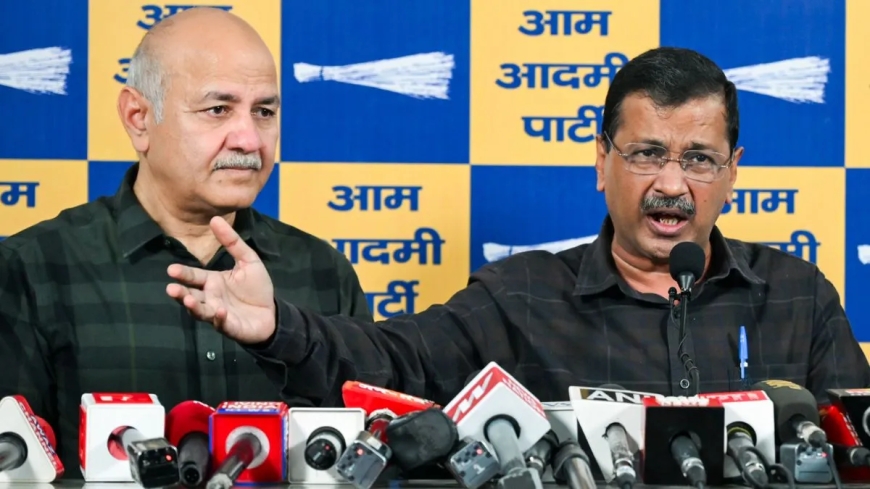
Delhi’s controversial liquor policy case has once again come into the spotlight after a fresh development in the Delhi High Court. The court recently decided to defer proceedings in the Enforcement Directorate (ED) case and also indicated that it would stay certain observations made by a trial court against a CBI investigating officer. The decision has added another layer to the ongoing legal battle linked to the 2021–22 Delhi excise policy, a case that has already seen multiple investigations and court hearings.
The liquor policy case revolves around allegations that the Delhi government’s excise policy was manipulated to benefit certain private liquor traders. However, a trial court earlier discharged several accused, including prominent political leaders, stating that the evidence did not establish a clear criminal conspiracy.
Key points about the case
- The Delhi government introduced the Excise Policy 2021–22 with the aim of reforming the liquor trade and increasing revenue.
- Allegations later emerged that the policy favoured certain liquor businesses and involved kickbacks.
- Investigations were initiated by both the Central Bureau of Investigation (CBI) and the Enforcement Directorate (ED).
- The policy was eventually scrapped after the controversy intensified.
High court defers ED case, says it will stay trial court order against CBI officer
In the latest hearing, the Delhi High Court took note of the dispute arising from a trial court order that had made strong remarks against a CBI officer involved in the liquor policy investigation. The trial court had even directed departmental action against the officer, questioning the way the investigation was conducted.
However, the High Court indicated that these observations would be stayed for the time being. At the same time, the court also deferred the proceedings related to the ED’s money-laundering case, ensuring that the trial court’s remarks would not influence the ongoing investigations or other related legal proceedings.
The development came after the CBI filed a revision petition in the High Court, challenging the earlier trial court order that had discharged the accused persons in the excise policy case.
What the High Court observed
- The court indicated that the trial court’s adverse observations against the CBI officer would be kept on hold for now.
- The High Court is examining the CBI’s challenge to the discharge order passed by the lower court.
- Proceedings in the ED’s related money-laundering case were deferred during the hearing.
- Notices were issued to the accused persons asking them to file their responses to the CBI’s plea.
Trial court decision and its impact
The controversy intensified earlier when a special court at Rouse Avenue in Delhi discharged all 23 accused in the case, including prominent political leaders. The court said the material presented by investigators did not even establish a prima facie case or strong suspicion against them.
The trial court also criticised aspects of the investigation, which later led to the directive for departmental action against the CBI officer. These remarks became the key issue now under scrutiny in the High Court.
Highlights of the trial court ruling
- The court discharged 23 accused persons linked to the liquor policy case.
- It concluded that the prosecution failed to establish a clear conspiracy or criminal intent.
- The judge observed that the evidence did not create a grave suspicion required to frame charges.
- Strong remarks were made against the investigation process and the role of a CBI officer.
CBI’s challenge to the discharge order
Following the discharge of the accused, the CBI moved the Delhi High Court challenging the lower court’s decision. The agency argued that the trial court order was legally flawed and ignored key evidence gathered during the investigation.
The CBI also contended that the trial court had effectively conducted a “mini-trial” while examining evidence at the stage of framing charges, which is not normally required in criminal proceedings.
Arguments raised by the CBI
- The agency described the discharge order as “patently illegal”.
- It said the trial judge over-analysed evidence instead of accepting it at face value.
- Investigators claim there was a continuing criminal conspiracy behind the policy changes.
- The High Court has now taken up the revision petition for detailed examination.
What happens next in the case
The Delhi High Court’s decision to stay the trial court’s remarks and defer ED proceedings does not end the legal battle. Instead, it temporarily pauses certain aspects of the case while the court reviews the arguments presented by the CBI and other parties.
In the coming hearings, the High Court will determine whether the trial court’s discharge order should stand or whether the case needs to proceed further based on the evidence gathered by investigators. The outcome could significantly impact the future of one of the most high-profile political and legal controversies in recent years.
Possible next steps
- The High Court will review the CBI’s revision petition in detail.
- Accused persons will file their responses to the court notice.
- The court will decide whether the trial court’s discharge order should be upheld or overturned.
- Further proceedings in the ED’s money-laundering case may depend on the High Court’s decision.
What's Your Reaction?
 Like
0
Like
0
 Dislike
0
Dislike
0
 Love
0
Love
0
 Funny
0
Funny
0
 Angry
0
Angry
0
 Sad
0
Sad
0
 Wow
0
Wow
0

khushi
I am an author and dedicated to writing professional articles and blogs on technology, artificial intelligence, digital marketing, and emerging trends. I focus on delivering well-researched, informative, and insightful content that helps readers stay updated in the rapidly evolving digital landscape.