
Cameco Signs $2.6B Uranium Deal with India
Cameco signs a $2.6B long-term uranium supply deal with India, strengthening nuclear energy plans, energy security and India–Canada ties.
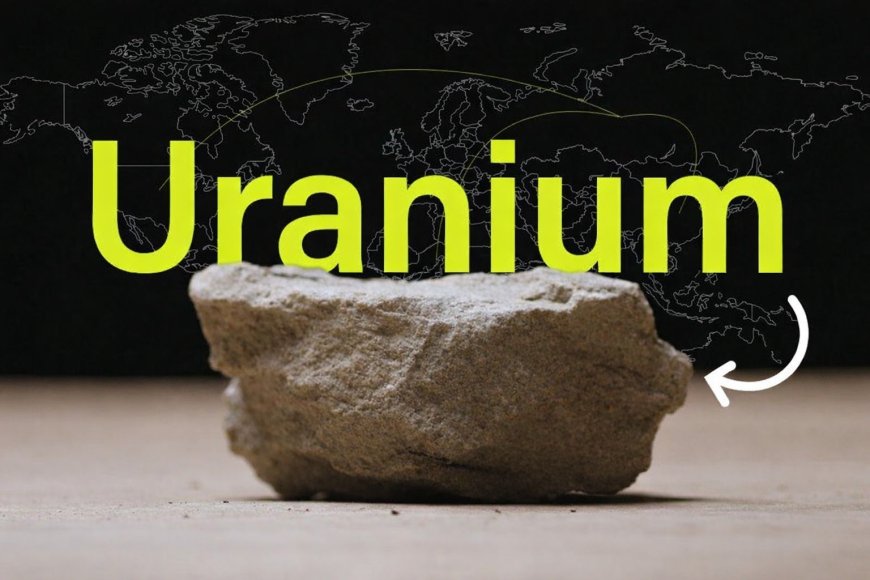
Canada’s leading uranium producer, Cameco, has entered into a significant long-term uranium supply agreement with India, marking a decisive step in strengthening the country’s nuclear fuel security. The contract, valued at approximately C$2.6 billion (around USD 1.9 billion), will see uranium ore concentrate supplied to India over nearly a decade, reinforcing both nations’ strategic energy partnership.
This agreement arrives at a time when global energy security and low-carbon power generation are central to policy decisions worldwide. For India, the deal directly supports its long-term nuclear expansion goals and its commitment to balancing growth with climate responsibility.
Core Structure of the Agreement
Under the contract, Cameco will supply approximately 22 million pounds of uranium ore concentrate (U3O8) to India’s Department of Atomic Energy. Deliveries are expected to begin in 2027 and continue through 2035, providing a stable and predictable stream of nuclear fuel.
Unlike fixed-price commodity contracts, this agreement follows market-related pricing. That means the final transaction values will reflect prevailing uranium market conditions at the time of delivery. This mechanism protects both buyer and seller from extreme price swings in a market historically known for supply-demand imbalances.
For India’s nuclear planners, such long-duration contracts reduce uncertainty. Reactor scheduling, maintenance planning, and long-term capacity utilisation can now be structured with greater confidence in fuel availability.
Strengthening India’s Nuclear Roadmap
India currently operates 24 nuclear reactors with a combined capacity slightly above 8 gigawatts. While this represents a modest share of the total electricity mix, the government has outlined a far more ambitious target: expanding nuclear capacity to around 100 gigawatts by 2047.
Achieving that scale requires three foundational pillars:
-
Reactor construction and technology development
-
Robust regulatory and safety systems
-
Secure, diversified uranium supply
Domestic uranium reserves in India are limited and often lower in grade. As a result, imported fuel remains critical for sustaining high plant load factors. Reliable foreign partnerships reduce the risk of underutilised reactors due to fuel shortages.
The long-term agreement with Cameco provides precisely this strategic stability. It ensures that as new reactors come online, fuel supply will not become a bottleneck.
A Strategic Boost for India–Canada Relations
Beyond its commercial value, the agreement carries diplomatic weight. Canada is among the world’s largest uranium exporters and has developed a reputation for regulatory transparency and high-quality production standards.
By deepening nuclear fuel cooperation, both nations reinforce mutual trust in sensitive energy sectors. Nuclear trade requires strict compliance with international safeguards and non-proliferation norms. The fact that such a long-term deal has been concluded indicates a high level of policy alignment.
The agreement also strengthens broader economic cooperation in areas such as clean energy technologies, critical minerals, and advanced manufacturing, fields that are increasingly interconnected in the global energy transition landscape.
Why the Timing Matters
The global energy environment has shifted dramatically in recent years. Supply chain disruptions, geopolitical tensions, and volatile fossil fuel markets have forced countries to reassess energy security frameworks.
Nuclear power, once sidelined in some regions, is witnessing renewed attention. It offers:
-
Stable baseload electricity
-
Minimal direct carbon emissions
-
Reduced dependence on volatile fuel imports (once uranium is secured)
Large, long-term uranium supply contracts send a signal that nuclear energy is not just surviving—but reasserting its strategic importance.
For uranium producers like Cameco, such contracts justify long-term capital investments, mine expansions, and operational restarts. For buyers like India, they guarantee continuity in an energy segment that requires decades-long planning horizons.
Economic Implications for Cameco
For Cameco, the nine-year commitment provides revenue visibility and demand certainty. Sovereign-backed buyers, such as India’s atomic energy authorities, offer stable credit profiles compared to smaller private utilities.
Market-indexed pricing also allows Cameco to capture upside if uranium prices strengthen in response to rising global demand. At the same time, the contractual framework ensures baseline demand even during weaker market cycles.
Long-duration offtake agreements of this magnitude contribute to stronger balance sheets and facilitate financing for capacity expansion. As global nuclear demand expands, producers with secure long-term contracts gain strategic advantages.
India’s Energy Mix: A Balancing Act
India faces a unique energy challenge. Rapid industrialisation, urbanisation, and rising living standards continue to push electricity demand upward. Coal still supplies a large share of power generation, while renewable capacity, particularly solar and wind, is growing quickly.
However, renewable sources are intermittent. Grid stability requires consistent baseload generation, which nuclear power can provide without the carbon intensity of coal.
By locking in uranium supply through 2035, India reduces a key uncertainty in expanding nuclear generation. This contributes to:
-
Improved energy diversification
-
Lower emissions intensity
-
Enhanced long-term grid reliability
Nuclear energy does not replace renewables; rather, it complements them by stabilising supply during non-peak solar or wind output periods.
Broader Impact on Global Uranium Markets
India’s growing nuclear demand reflects a broader global trend. Emerging economies are increasingly shaping the direction of uranium markets. As more countries consider extending reactor lifespans or building new units, long-term supply agreements become essential.
Such deals encourage disciplined production planning. Instead of speculative supply surges followed by price crashes, structured long-term contracts promote more predictable market cycles.
The Cameco–India agreement reinforces the perception that uranium demand growth will remain structurally supported over the next decade.
Looking Ahead
The significance of this agreement lies not only in the dollar value or tonnage supplied, but in its timing and duration. It reflects confidence in nuclear energy’s long-term role in India’s power strategy.
As India moves toward its 2047 capacity ambitions, a reliable uranium supply will remain central to reactor performance and expansion planning. With deliveries secured through 2035, policymakers and plant operators gain a stable foundation upon which to build.
What's Your Reaction?
 Like
0
Like
0
 Dislike
0
Dislike
0
 Love
0
Love
0
 Funny
0
Funny
0
 Angry
0
Angry
0
 Sad
0
Sad
0
 Wow
0
Wow
0