LPG Price Hike Sparks Protest in Karnataka’s Kalaburagi
Residents in Kalaburagi protest LPG price hike, citing rising household costs and urging government action to control cooking gas prices.
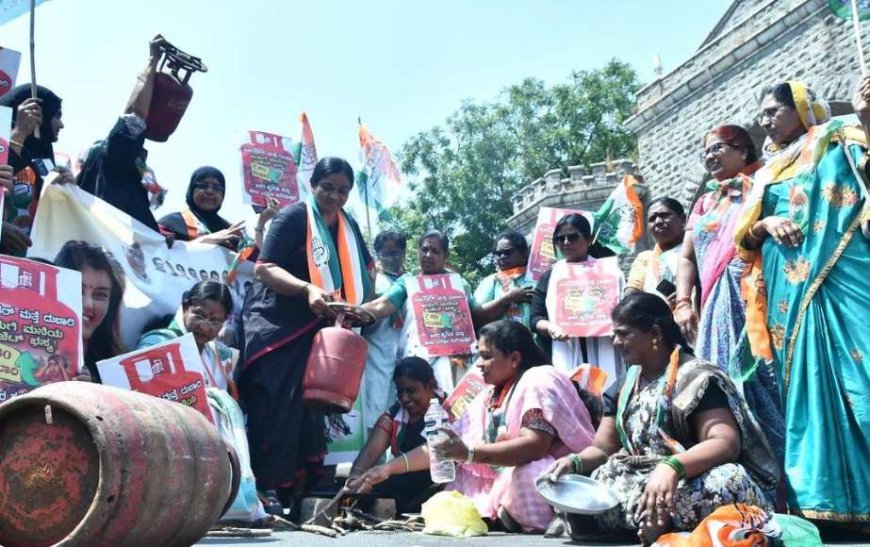
A protest was staged in Karnataka’s Kalaburagi district after activists and residents gathered to oppose the recent increase in LPG cylinder prices. Demonstrators assembled near the Deputy Commissioner’s office and submitted a memorandum demanding a rollback of the cooking gas price hike.
The demonstration was led by members of the women’s wing of the Congress party along with several local organisations. Protesters carried placards and raised slogans criticising the increase, arguing that rising fuel prices are putting additional strain on household finances.
Several women who participated in the protest stated that cooking gas is a daily essential commodity in homes and that any price increase directly affects family budgets. Local organisers stated that families are already struggling to cope with higher prices for food and other basic necessities.
Protest leaders said the government must take steps to stabilise LPG prices to protect households with limited incomes. The protest in Kalaburagi reflects broader public concern about the affordability of domestic cooking gas following the latest price revision.
Timeline of the Latest LPG Price Revision
Oil marketing companies revised the retail price of domestic LPG cylinders earlier in March 2026. Reports indicated that the price of a standard household cylinder was increased by around ₹60 in several markets.
The revised prices came into effect on March 7 after periodic price reviews conducted by the country’s major fuel retailers. These revisions typically reflect global energy costs, import expenses, and distribution margins.
India relies heavily on imported liquefied petroleum gas to meet domestic demand. As a result, retail LPG prices are influenced by international market movements, shipping costs, and fluctuations in global crude oil benchmarks.
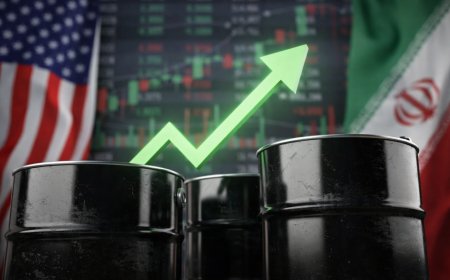
Energy markets have seen volatility in recent months due to geopolitical tensions and supply concerns in major oil-producing regions. Such developments have affected the global pricing of liquefied petroleum gas and contributed to adjustments in domestic fuel rates.
Political Reactions to Rising LPG Costs
The increase in cooking gas prices has also triggered political criticism. Karnataka Chief Minister Siddaramaiah criticised the hike, stating that rising LPG prices would place additional pressure on families already dealing with inflation.
Speaking to reporters, he said the increase would affect household budgets and urged policymakers to consider the impact of fuel prices on ordinary citizens. He added that rising cooking gas costs are particularly difficult for low-income households.
Karnataka Deputy Chief Minister D.K. Shivakumar also criticised the revision while addressing reporters in Kalaburagi. He said the decision had increased the financial burden on the public and urged the central government to reconsider the move.
Opposition leaders across several states have also questioned the timing of the price revision. They argue that cooking gas should remain affordable because it is used daily in millions of households across the country.
Household Budgets Under Pressure from LPG Costs
Cooking gas is one of the most important recurring expenses for many households in India. The latest LPG price increase has therefore raised concerns among families managing monthly budgets.
In several cities, the cost of a domestic cylinder now approaches ₹900 to ₹950, depending on state taxes and transportation costs. Families that require more than one cylinder per month are likely to feel the impact more strongly.
Small food businesses such as roadside eateries and local restaurants also depend heavily on cooking gas. Higher LPG prices increase operating expenses for these establishments and may lead to higher food prices for customers.
Economists note that rising cooking fuel costs often contribute indirectly to inflation. When the cost of energy rises, it affects both household consumption and small business operations.
Economic Factors Influencing LPG Pricing
The pricing structure of LPG in India is influenced by a combination of international and domestic factors. Global benchmark prices for liquefied petroleum gas are linked to crude oil markets and refinery output levels.
Supply disruptions or geopolitical tensions in energy-producing regions can influence global fuel prices. These developments affect import costs for countries such as India that rely on external energy supplies.
Currency movements also play a role in determining domestic prices. Since fuel imports are paid for in US dollars, changes in the rupee’s value can affect the final retail cost of LPG cylinders.
In addition to global pricing trends, government taxation policies and distribution expenses contribute to the final price consumers pay. Oil marketing companies periodically revise cylinder prices to align with these factors.
Government subsidy programmes, including the Pradhan Mantri Ujjwala Yojana, have been introduced to support low-income households. Eligible beneficiaries receive financial assistance that helps reduce the cost of cooking gas cylinders.
Public Response and Possible Policy Discussion
Public demonstrations such as the protest in Kalaburagi show the sensitivity surrounding cooking gas prices in India. For many households, LPG is a daily necessity, making price changes a matter of significant public concern.
Community groups and political leaders have urged authorities to review the latest price revision and consider measures that could ease the financial burden on households.
Energy analysts note that future price movements will largely depend on global oil markets and domestic policy decisions. Any changes in international supply conditions or currency values could influence the cost of imported cooking gas.
For now, protests and political reactions indicate that the debate over LPG affordability will continue to draw attention from both policymakers and the public.
What's Your Reaction?
 Like
0
Like
0
 Dislike
0
Dislike
0
 Love
0
Love
0
 Funny
0
Funny
0
 Angry
0
Angry
0
 Sad
0
Sad
0
 Wow
0
Wow
0