
India Retail Inflation Rises to 3.21% in February
India’s retail inflation rose to 3.21% in February from 2.74% in January as food prices increased, though the rate remains within the RBI’s 2–6% target band.
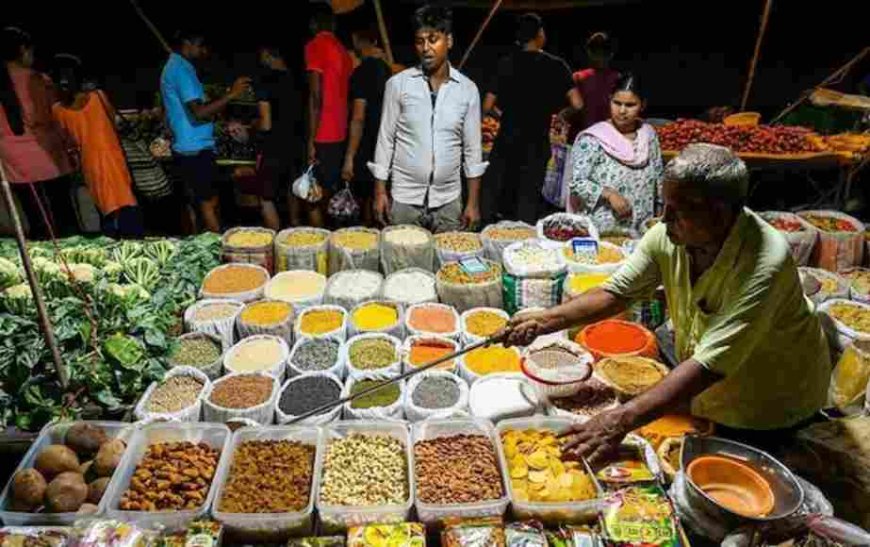
India’s consumer price index recorded a modest increase in February, with retail inflation reaching 3.21 per cent, according to official data released by the Ministry of Statistics and Programme Implementation. The latest figure is higher than 2.74 per cent recorded in January, indicating renewed pressure from food items and a few consumer categories.
Despite the uptick, inflation remains comfortably within the Reserve Bank of India’s target range of 2–6 per cent, giving policymakers room to maintain their current monetary policy stance while continuing to track price movements across major consumption segments.
Economists note that while overall inflation remains contained, fluctuations in food prices continue to play an important role in shaping consumer cost trends in both rural and urban markets.
Inflation Moves Higher After January’s Temporary Easing
January had brought some relief from price pressures when consumer inflation dropped to 2.74 per cent, the lowest level in roughly five months. February’s data, however, shows a mild increase as several consumption categories recorded moderate price growth.
Government statistics indicate that food inflation rose to about 3.47 per cent in February, compared with 3.31 per cent in January. Food carries the largest weight in India’s consumer price index basket, which means even small changes in food prices can influence the overall inflation reading.
Items such as cereals, vegetables, dairy products and processed foods account for a significant share of household spending. As a result, seasonal supply shifts or distribution changes often translate quickly into broader consumer price movements.
Economists point out that demand patterns early in the year and supply adjustments in agricultural markets frequently shape food price trends during this period.
Food Items and Personal Goods Contribute to the Increase
A closer look at the CPI breakdown shows that food items were a key contributor to the rise in consumer prices during February. The food category includes staples such as cereals, vegetables, pulses, edible oils and dairy products that directly affect household budgets.
The Consumer Food Price Index rose to around 3.47 per cent, reflecting gradual increases across several food segments. While the rise remained moderate, it was enough to lift the overall CPI reading compared with the previous month.
Price movements in personal consumption goods also contributed to the increase. Inflation in personal care products was close to 19.6 per cent, reflecting higher costs in this category.
Precious metals also registered strong price growth during the period. Higher prices for gold and silver influenced the personal consumption component of the CPI basket.
By contrast, categories such as housing, fuel and lighting remained relatively stable, helping prevent a sharper increase in overall inflation.
Inflation Remains Within RBI’s Target Band
Even with the February increase, India’s inflation rate remains well within the inflation targeting framework set by the Reserve Bank of India. The central bank aims to maintain inflation around 4 per cent, with a tolerance band of plus or minus two percentage points.
This policy framework allows inflation to fluctuate within a 2–6 per cent range, providing policymakers with flexibility to respond to economic conditions.
The RBI has maintained a cautious monetary policy approach over the past year as inflation pressures gradually eased. Governor Shaktikanta Das has repeatedly emphasised that maintaining price stability is essential for sustaining long-term economic growth.
India’s repo rate currently stands at 6.50 per cent, and it has remained unchanged in recent policy meetings as inflation trends moved closer to the central bank’s target.
Market economists believe the February data is unlikely to trigger immediate changes to interest rates, although policymakers will continue monitoring food prices and global commodity movements.
Economic Impact and Market Response
Financial markets showed limited reaction following the release of the inflation data. Equity markets remained broadly stable, suggesting investors expect monetary policy to remain unchanged in the near term.
Bond markets also recorded only minor fluctuations, reflecting confidence that the moderate increase in inflation will not significantly alter the central bank’s current policy direction.
For consumers, however, even modest inflation can influence household budgets. Food items account for a large share of monthly spending, particularly among rural and lower-income households.
Stable inflation is widely seen as a key factor supporting economic growth, as consumer demand, wage trends and private investment decisions are closely tied to price expectations.
India’s economy continues to expand at one of the fastest rates among major global economies. Several forecasts expect GDP growth to remain above 6 per cent in the current fiscal year, supported by domestic consumption and government investment.
Outlook Ahead of the Summer Season
The coming months will be important in determining whether the increase seen in February represents a temporary fluctuation or the beginning of a broader inflation trend.
Food prices often experience volatility during seasonal transitions, particularly before the arrival of fresh harvest supplies in agricultural markets. Government agencies closely track these movements and can intervene through buffer stock releases when required.
Policy measures such as public distribution programmes, food stock management and export controls are often used to stabilise domestic prices when volatility emerges.
Analysts expect food supply conditions and global commodity prices to remain the main factors influencing inflation in the next quarter.
For now, with inflation still moderate and within the central bank’s target band, policymakers appear comfortable maintaining the current policy stance while keeping a close watch on food prices and consumer demand.
What's Your Reaction?
 Like
0
Like
0
 Dislike
0
Dislike
0
 Love
0
Love
0
 Funny
0
Funny
0
 Angry
0
Angry
0
 Sad
0
Sad
0
 Wow
0
Wow
0