












































































































































Sustainability 2.0 From Promises to Performance
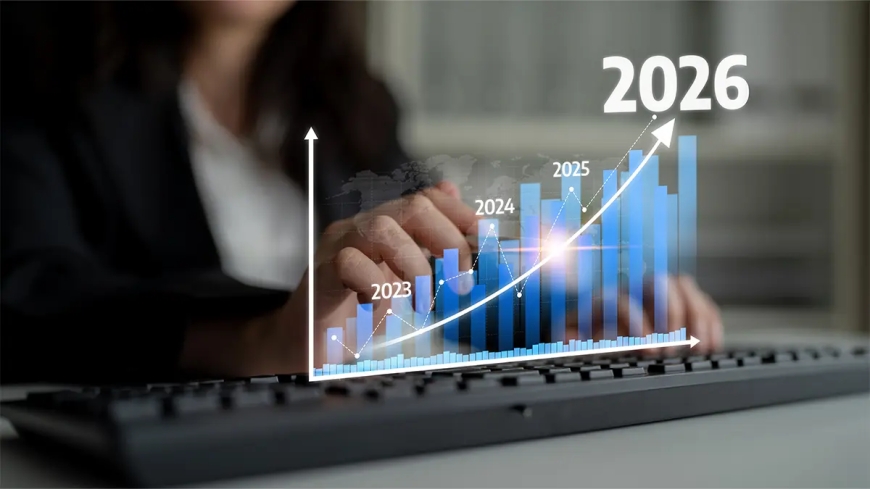
2026 marks the end of vague ESG pledges. Discover how "Financial Realism," agentic AI, and next-gen energy storage are moving sustainability from the marketing department to the core of business performance.

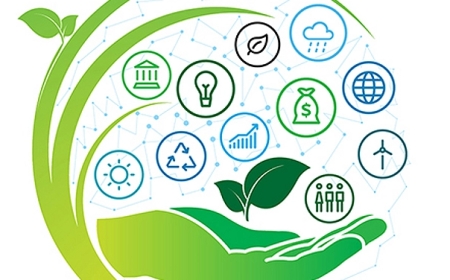
we’ve all seen the glossy brochures. For the last five years, corporate sustainability felt like a massive exercise in creative writing—lots of talk about "Net Zero 2050" and vague promises about saving the planet. But as we step into 2026, the mood has shifted. The patience for "someday" has run out, and the era of financial realism has officially taken over. Sustainability isn't a PR project anymore. It’s an operating system.
The CFO is Now the Chief Sustainability Officer
The biggest change this year isn't coming from activists; it's coming from the finance department. We’ve hit a point where wasting resources isn't just "bad for the Earth"—it’s a massive drain on the balance sheet.
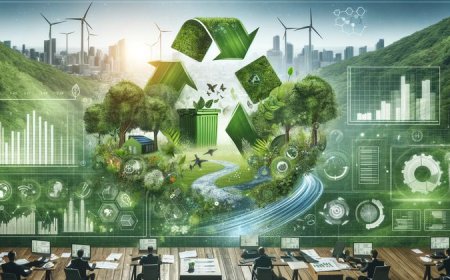
In 2026, the businesses winning the race are the ones that realized efficiency is the purest form of sustainability. They aren't doing it to be "nice"; they're doing it because a circular supply chain is cheaper than buying raw materials at inflated prices, and AI energy management is the only way to protect margins against volatile power grids.
Agentic AI: The "Invisible" Green Thumb
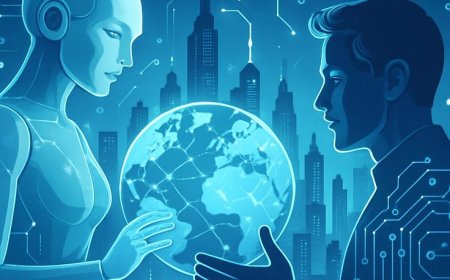
While everyone was arguing over whether AI would replace humans, the smartest companies were busy building "AI Agents" to fix their energy problems.
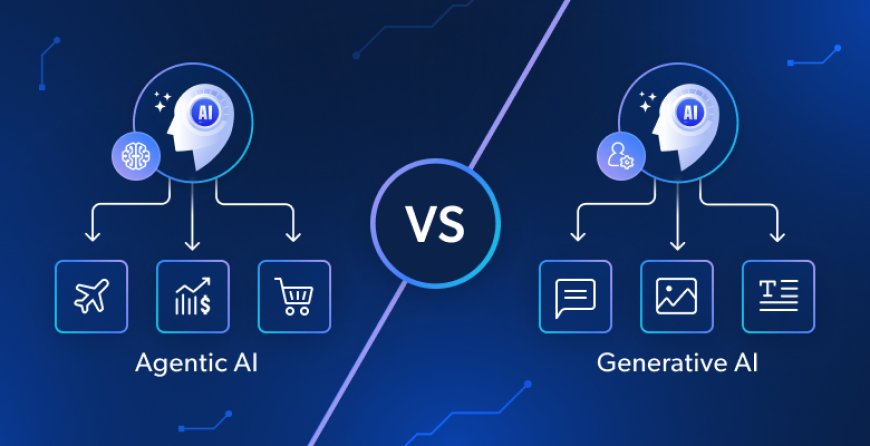
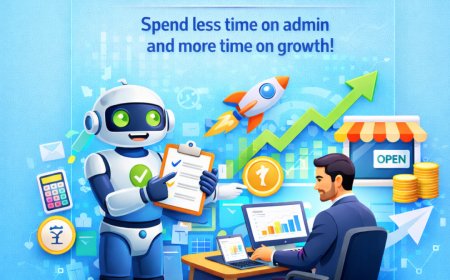
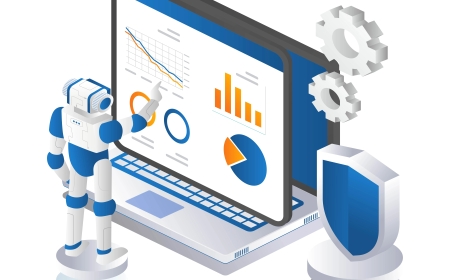
We’ve moved past simple tracking. Today, Agentic AI acts like a high-speed air traffic controller for a company’s footprint. These agents don't just tell you that you're using too much power; they autonomously shift industrial loads to the exact minute when renewable energy is cheapest and most available. It’s turning sustainability from a "cost center" into a "cost disruptor."
The Death of "Take-Make-Waste"
If 2024 was about "recycling," 2026 is about Circularity as a Service. Take the lighting or heavy machinery industries. Leading firms have stopped selling you a product that eventually becomes trash. Instead, they "rent" the performance.
They own the hardware, they maintain it, and they reclaim the parts when they wear out. Why? Because in a world where rare minerals are getting harder to find, your own old products are the most valuable "mine" you have. It’s a closed loop that protects the planet and the company’s supply chain at the same time.
Batteries are the New Heart of the Grid
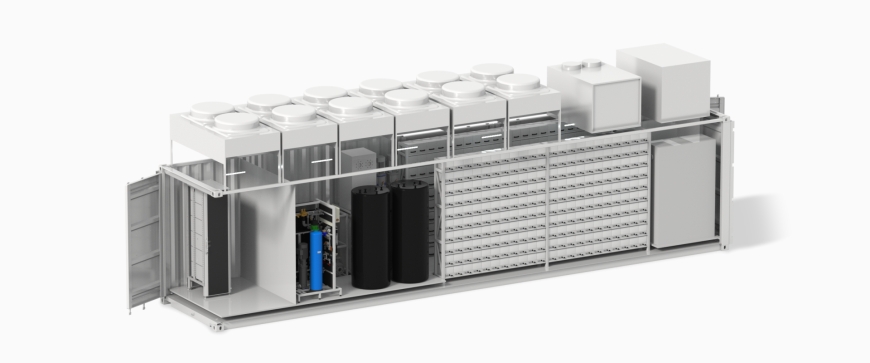
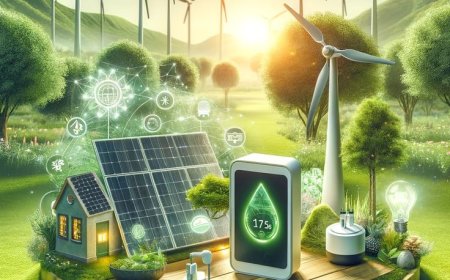
We’ve finally seen the "Zinc Revolution" hit the mainstream this January. While Lithium is great for your phone, it’s finicky for a massive factory. The rise of Zinc-Bromine flow batteries and thermal storage has changed the game. These systems are non-flammable, they last for decades, and they are finally cost-competitive. They allow a business to store ten hours of sunshine and use it at 2:00 AM, effectively giving them "energy sovereignty."
The takeaway is simple: Vague pledges are out; auditable action is in. The leaders of 2026 are the ones who stopped trying to "look green" and started trying to be "lean." By integrating AI into energy and closing the loop on materials, they are building businesses that are faster, smarter, and—most importantly—built to last.
What's Your Reaction?
 Like
0
Like
0
 Dislike
0
Dislike
0
 Love
0
Love
0
 Funny
0
Funny
0
 Angry
0
Angry
0
 Sad
0
Sad
0
 Wow
0
Wow
0