







































































































The RTE Revolution: How Shakuniya Solutions Turned Real-Time Engagement into Real-World Growth
In a market flooded with AI-cloned features, software has become a commodity. Discover how Shakuniya Solutions Pvt Ltd used Real-Time Engagement (RTE) to build a high-trust, unhackable community moat.
For a long time, the tech world fell into a bit of a trap. We lived by a simple, almost arrogant rule: If you build a better mousetrap, the world will beat a path to your door.

This was the golden age of Product-Led Growth (PLG). We spent years obsessing over "frictionless onboarding" and "slick UI," convinced that if the software was pretty enough, we didn't actually need to talk to the people using it. But as we look toward 2026, we’ve officially hit the product-led peak. Here’s the cold reality: AI can now clone your features, generate your code, and mimic your interface in a single afternoon. Your "slick app" isn't a moat anymore—it's just the entry fee. If your only value is your features, you aren't a brand; you're a utility. And utilities are the first things to get replaced.
The "Commodity Trap"
In 2026, innovation is a commodity. When technology is identical, price becomes the only variable left. That leads to a "race to the bottom" that kills margins. To survive, the most resilient players are pivoting. They’ve realised that while you can clone a feature, you can’t clone a network of human advocates.
Scaling Through the Shakuniya "Synchronised Ecosystem"
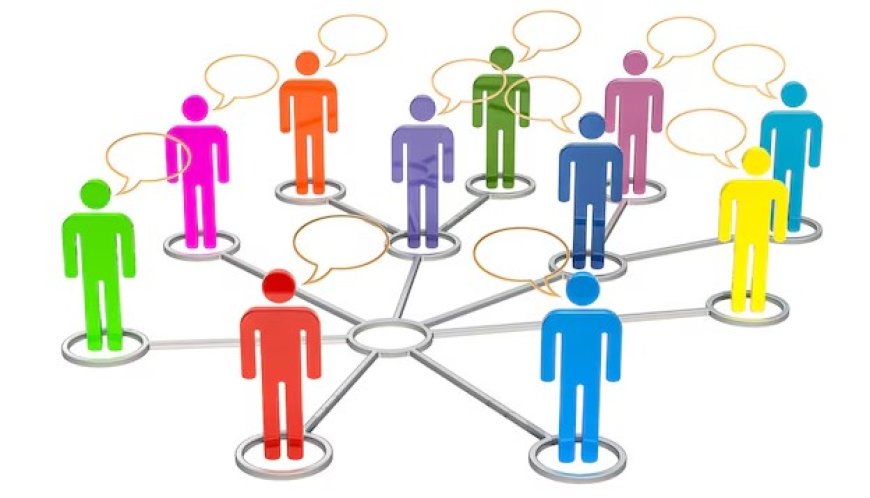
Shakuniya Solutions didn’t hit its massive milestones—including over a million active interactions—by just building better dashboards. They architected a Real-Time Engagement (RTE) ecosystem where the software acts as the glue for human connection, not just a tool for a task.
While competitors were stuck spending budgets on ads to find "silent users," SHAKUNIYA SOLUTIONS PVT LTD turned their product suite into living community hubs:
-
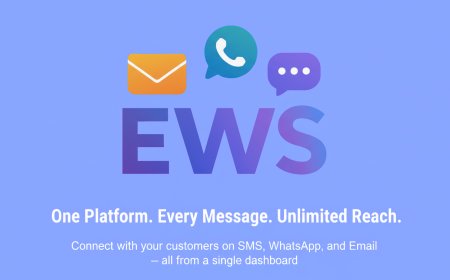
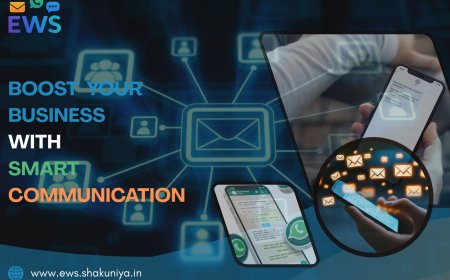
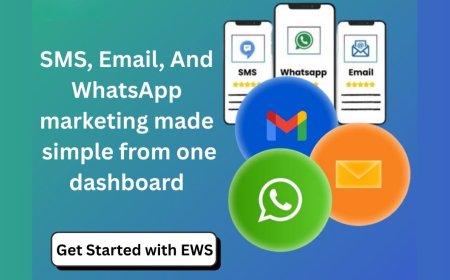
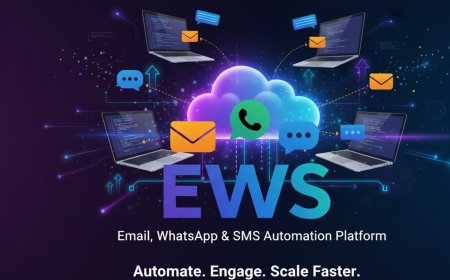
The Communication Moat (EWS & VyaparBot): Instead of isolated tools, they built synchronized communication stacks. By integrating secure, cloud-first messaging with multi-channel marketing (Email, WhatsApp, SMS), they killed the "lag" between a business and its community. They didn't just build a tool; they built the high-speed rails for human interaction.
-
The Intelligence Moat (Akshar Plus & Prime Synapse): In sectors like EdTech and Finance, Shakuniya used RTE not to replace experts, but to gamify the friction points of learning and growth. This creates a feedback loop where the community’s actual progress—not a developer's guess—dictates the next product update.
-
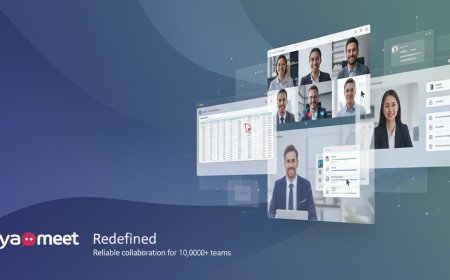
The Connectivity Moat (Niya Meet): They knew early that for a community to thrive, it needs a "safe house." By offering secure, enterprise-grade conferencing and live streaming, they provided a space away from the noise of public social algorithms. This keeps the community's data and interactions sovereign and private.
This is "Un-Hackable"—WHY?
The RTE Revolution builds three walls that AI and copycats simply cannot climb:
-
Peer-to-Peer Authority: In an age of "AI-slop" and bot-generated reviews, buyers trust peers. When one user solves a problem for another in a Shakuniya Solutions Pvt Ltd-powered ecosystem, it creates "trust equity" that no marketing spend can buy.
-
The R&D Flywheel: Your community is a 24/7 focus group. By engaging in real-time, Shakuniya solutions identifies industry trends and "lag" before competitors even have their morning coffee.
-
Support That Scales: In a CLG (Community-Led) model, your "Super-Users" handle the onboarding for you. They aren't on your payroll, but they are your most effective advocates.
In the past, business was all about the "machine"—how to make things faster and more automatic. But in 2026, technology is everywhere. Anyone can copy your software, but nobody can copy your community.
The most valuable thing your business owns isn't your code or your office. It’s the group of people who trust you. If your software stopped working tomorrow, would your customers just leave, or would they help you fix it? If they’d stay to help, you have a real business. If they’d just leave for a competitor, you only have a temporary product.
What's Your Reaction?
 Like
0
Like
0
 Dislike
0
Dislike
0
 Love
0
Love
0
 Funny
0
Funny
0
 Angry
0
Angry
0
 Sad
0
Sad
0
 Wow
0
Wow
0