
WhatsApp vs. SMS/Email: Why Businesses Choose API in 2026
WhatsApp vs. SMS/Email explained for 2026. See why businesses are moving to WhatsApp API for higher engagement, faster replies, and lower costs.
WhatsApp vs. SMS/Email: Why Businesses Are Migrating to API in 2026
WhatsApp vs. SMS/Email is no longer a simple comparison of messaging tools. In 2026, it was a no-brainer business decision. Businesses today want to get faster responses, better engagement, and lower communication costs. Customers also expect immediate, personal, and convenient conversations. This is why many businesses are switching from traditional SMS and email and adopting WhatsApp API as their main communication channel.
The shift is practical, not trendy. WhatsApp is in line with the way people already communicate every day, while SMS and email have a hard time getting attention. Let us understand why this migration is taking place and how API-based messaging is transforming business communication.
WhatsApp vs. SMS/Email: Shifting Customer Behavior

Customer behavior has changed dramatically. People open WhatsApp several times a day, while emails often remain unread, and SMS messages feel impersonal.
Emails are full of promotions, spam, and newsletters. SMS messages are brief and limited, and users tend to ignore unknown numbers. WhatsApp messages, however, come in a familiar chat format that people trust and check regularly.
Read More:- Can You Pass This Workplace Ethics & Integrity Quiz?
For businesses, this means WhatsApp provides visibility that SMS and email cannot match. Messages are viewed more quickly, read more frequently, and responded to more quickly. This alone makes WhatsApp a better option for customer communication.
Why Engagement Is Higher on WhatsApp
Engagement is the biggest reason why businesses are opting for WhatsApp over SMS and email.
WhatsApp messages support images, videos, documents, buttons, and quick replies. This enables businesses to build interactive conversations rather than one-way notifications. Customers can ask questions, confirm orders, or request support in the same chat.
SMS is not rich in content, and email is slow. WhatsApp API allows businesses to guide users step by step, resulting in improved response rates and satisfaction.
Cost Comparison: WhatsApp vs. SMS/Email
Cost efficiency is another major factor in this shift.
SMS prices increase with volume, and international messages are expensive. Email may be cheap, but engagement and deliverability problems make it less valuable.
WhatsApp API is a conversation-based pricing model. Businesses pay for meaningful conversations rather than individual messages. Since engagement is higher, businesses often get better results with fewer messages.
In the long run, WhatsApp helps businesses to reduce follow-ups, support calls, and manual work, which reduces overall operational costs.
How API Makes WhatsApp Powerful for Businesses
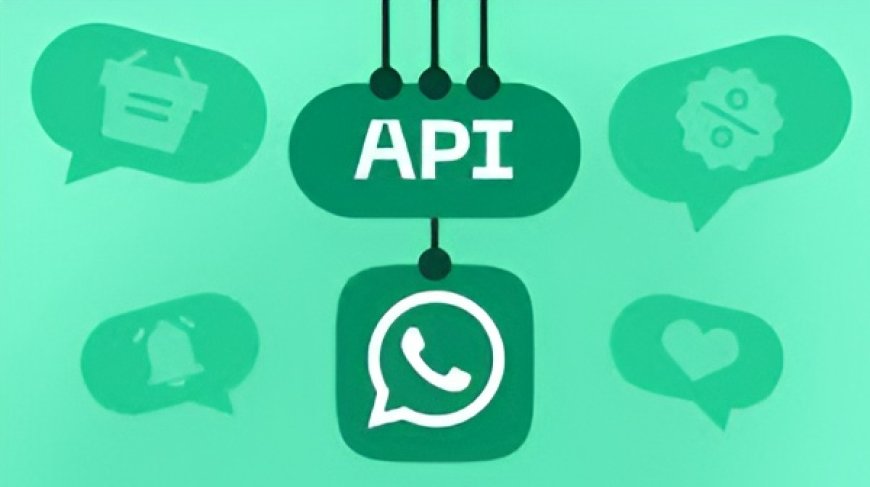
WhatsApp alone is useful, but the WhatsApp API is what makes it scalable for businesses.
With API integration, businesses can integrate WhatsApp with their CRM, website, ads, and support tools. This enables automated responses, order updates, appointment reminders, and lead qualification without the need for human intervention.
SMS and email APIs are available, but they don’t have the conversational flow that WhatsApp provides. WhatsApp API enables businesses to handle thousands of conversations simultaneously while maintaining personal and organized communication.
Automation Without Losing the Human Touch
One common concern is that automation is robotic. This is where the WhatsApp API comes in to solve this problem.
Businesses can automate greetings, FAQs, and updates while still having the option to hand over to human agents when necessary. This hybrid approach saves time and enhances response speed without losing trust.
Email automation often feels generic, and SMS automation feels cold. WhatsApp conversations, even when automated, feel closer to real chat, which customers appreciate.
Trust and Security Advantage
Trust plays a big role in communication. WhatsApp provides verified business profiles, brand names, and secure messaging. Customers know who they are talking to.
Email phishing and SMS scams have made people less trustworthy of those channels. WhatsApp’s verification system helps businesses to build credibility and confidence, which helps to improve conversions and customer loyalty.
Use Cases Driving Migration in 2026
In 2026, businesses from all industries are using WhatsApp API for daily operations:
-
Lead generation from ads directly to WhatsApp
-
Order confirmations and delivery updates
-
Customer support and issue resolution
-
Appointment booking and reminders
-
Feedback collection and follow-ups
SMS and email cannot manage all these use cases seamlessly in one place. WhatsApp brings them together in one channel, making communication easier for both businesses and customers.
WhatsApp vs. SMS/Email: The Clear Winner for Businesses
When it comes to WhatsApp vs. SMS/Email, the choice in 2026 is obvious. WhatsApp provides greater engagement, improved customer experience, and reduced long-term costs.
Businesses want speed, automation, and personal connection. Customers want easy and familiar communication. WhatsApp API delivers both.
As competition grows, businesses that rely solely on SMS and email are at risk of falling behind. Those adopting the WhatsApp API are creating faster, smarter, and more customer-friendly communication systems.
Conclusion
The migration from SMS and email to WhatsApp is not forced. It is driven by results. Businesses do what works, and in 2026, WhatsApp API is proving to be the most effective communication channel.
For businesses seeking to enhance engagement, cut costs, and scale conversations, WhatsApp is no longer optional. It is becoming the standard.
What's Your Reaction?
 Like
0
Like
0
 Dislike
0
Dislike
0
 Love
0
Love
0
 Funny
0
Funny
0
 Angry
0
Angry
0
 Sad
0
Sad
0
 Wow
0
Wow
0