
































































































































































The Hidden Side of Beaches Nobody Talks About
Discover the hidden realities of beaches—from environmental threats to local lives—revealing what truly lies beyond their picture-perfect beauty.
The Truth Beneath the Tides
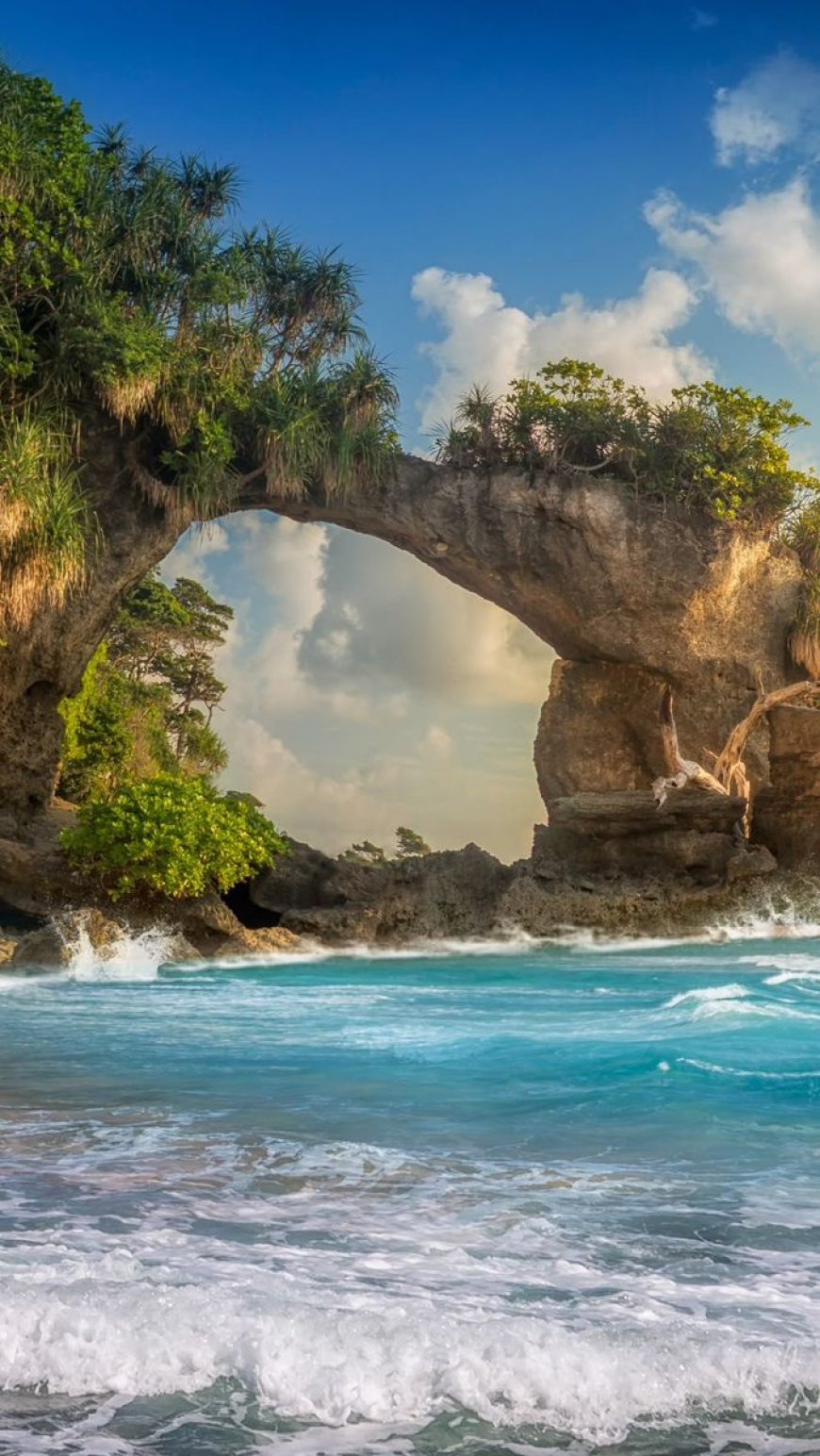
Beaches are viewed as the place of escape, with soft sand on bare feet, a blue horizon which is endless and the soothing sound of waves. They are being sold on social media feeds and travel brochures as flawless, trouble-free paradises. However, there is something even more sinister and intricate under the postcards and filters. Beaches are also living organisms, workplaces, places of culture and more and more places of delicate frontlines of global change. Knowing this backstory does not diminish their beauty; it only increases our admiration of it.
Beaches are not landscapes, but lives
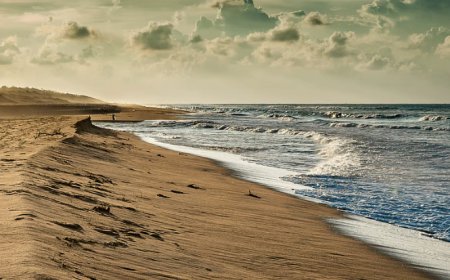
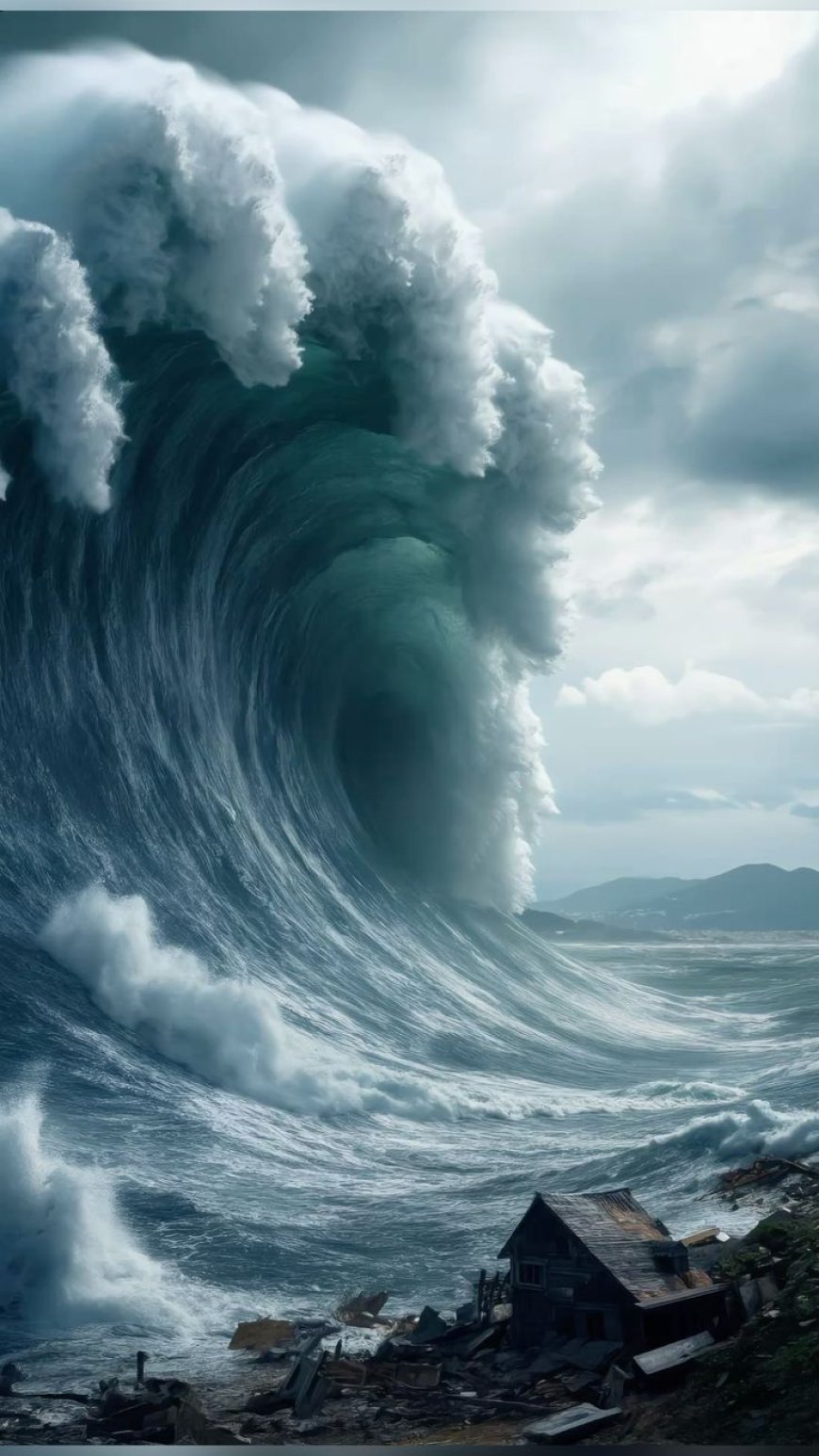
The majority of the population regards a beach as a dead zone: sand, water, sun. Beaches are in fact fluid and dynamic. The shoreline is changed every day by the tides, the sands are washed away and replaced by currents, and storms can change whole coasts overnight. This natural beat has been in existence for thousands of years. The only difference is the quickness with which these changes are occurring. Erosion is increasing due to rising sea levels and extreme weather, which lead to some beaches eroding at a rate which is not recoverable.
This is not a detached environmental concern to the local communities but a personal one. These shores are associated with homes, livelihoods and memories. A beach is not lost in vain, and when it is washed away, it carries more than sand with it.
The Individuals Who Maintain Beaches Operating
In the background of each clean and friendly beach, labour is unseen. Before tour operators arrive, early in the morning, workers pick rubbish, rake sand, mend walkways and check that there are safety precautions. Lifeguards search the waters to find rip currents, vendors rely on holiday floods to sustain their families, and fishermen rely on the good coastal ecosystems to provide them with their daily catch.
Such individuals are hardly ever a part of the beach story. But without them, then the ideal beach experience would not be that way. The beach is not a vacation to many people but a source of livelihood full of uncertainties, particularly when tourism changes and the environmental pressures increase.
Pollution You Can’t See All of the Time
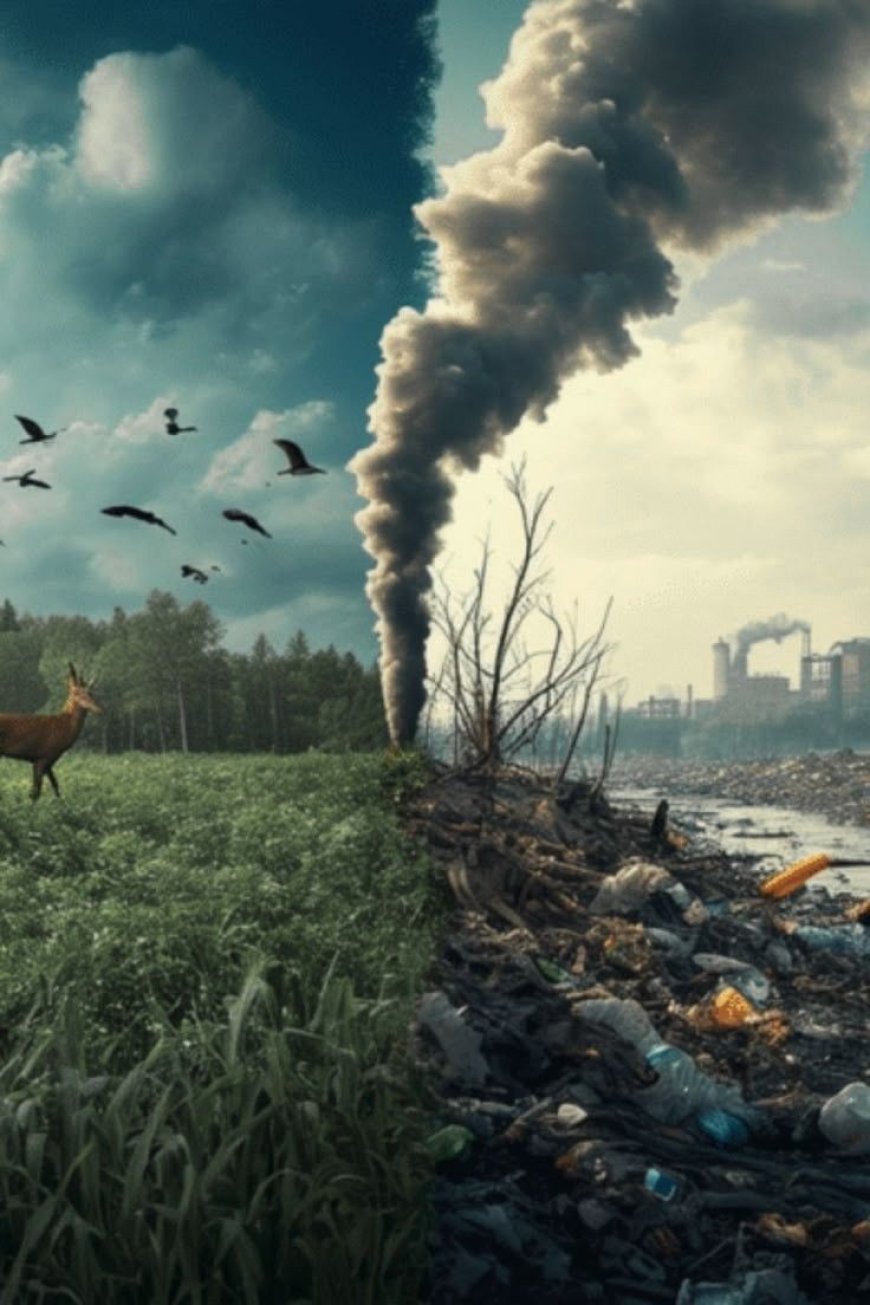
Whenever individuals consider the pollution of the beach, they imagine plastic bottles and wrappers. Although obvious debris is a vice, invisible pollution is the more dangerous one. The microplastics are small pieces of plastic that are currently embedded in sand and seawater throughout the world. They are absorbed by the food chain to the marine life and end up in human beings.
Cities are releasing chemicals into the water, sunscreen substances are damaging the coral reefs, and untreated wastewater is having silent health impacts on the coasts. Ecosystems can be strained under the surface of the beach, yet the area can appear clean. This is an unrecognised pollution that does not feature in headlines but has a far-reaching effect in the long term.
The Silent Cost and Overcrowding
Beaches are community areas; however, mass tourism has altered the ways in which they operate. At most tourist locations, the locals cannot reach their respective beaches during the peak seasons. An increase in property prices, commercialisation of the beaches, and congestion drive communities out of those locations that had been at the centre of their culture.
Overcrowding also alters the experience for the traveller. There is no longer a sense of belonging to nature, disturbance of natural habitats and noise in place of calm. What was formerly refreshing is wearying. This is one of the least talked about challenges of modern-day beach tourism that has some tension between economic gain and living standards.
Wildlife Under Pressure
Beaches also serve as important wildlife habitats – turtle nesting areas, places where birds can feed and areas where marine animals can hatch. These processes are usually interfered with unknowingly by human activity. Bright lights disorient hatchlings, beach furniture is placed on nesting areas, and overcrowding on the beach causes the sand to be compacted, making it more difficult to survive.
Conservation programmes are there; however, these need awareness and collaboration. Conservation of wildlife does not imply closing the beaches, but rather knowledge of how to use them safely.
Safety Beyond the Surface
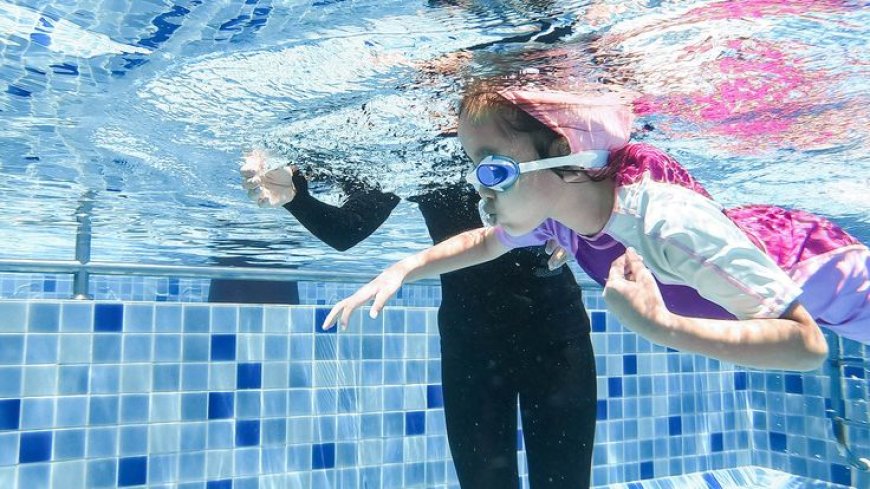
The sea is lovely but not necessarily calm. Beaches are potentially dangerous even to strong swimmers due to the presence of rip currents, sharp drop-offs and variable weather conditions. Most accidents do not occur due to the recklessness of people; they occur due to underestimation of nature or ignorance.
Beach safety has the other side, which is education. Knowledge of warning signs, swimming and swimming in the presence of lifeguards, and adherence to local recommendations may rescue lives. Beaches require respect and not fear.
A Space of Emotional Attachment
The emotional meaning of beaches is perhaps the most neglected one. To others, they are sites of childhood recollections, restorative strolls or even time to oneself. To other people, they are holy places that are related to the cultural identity and tradition. The damage or the restriction of beaches is not only an environmental or economic loss but also an emotional one.
It is this human relationship that makes the beach preservation significant. It isn’t the issue of preserving landscape, but the preservation of areas that enable people to get a sense of belonging, liberation, and belonging.
Reconsidering Our Relationship with Beaches
The back of beaches is a challenge to go beyond consumption. Instead of whether this place could give me anything, we could ask ourselves, 'How could I leave the place in better condition than I had it?' It is little things that help: recycling, environmental preservation, helping communities, and making sustainable travel choices.
Beaches do not require us to idealise them. We have to learn to make them out.
Taking the surface away, beaches become more than leisure places. They are narratives of perseverance, work, culture, and life per se. And when you get to notice that backside, no stroll along the shore seems to be quite an empty thing.
What's Your Reaction?
 Like
1
Like
1
 Dislike
0
Dislike
0
 Love
1
Love
1
 Funny
0
Funny
0
 Angry
0
Angry
0
 Sad
0
Sad
0
 Wow
1
Wow
1