

























































































How Digital Culture Is Becoming Human Again
Explore how digital culture is shifting from curated perfection to authentic connection, reshaping social media into a more human experience.
How the Internet World Has Become Human
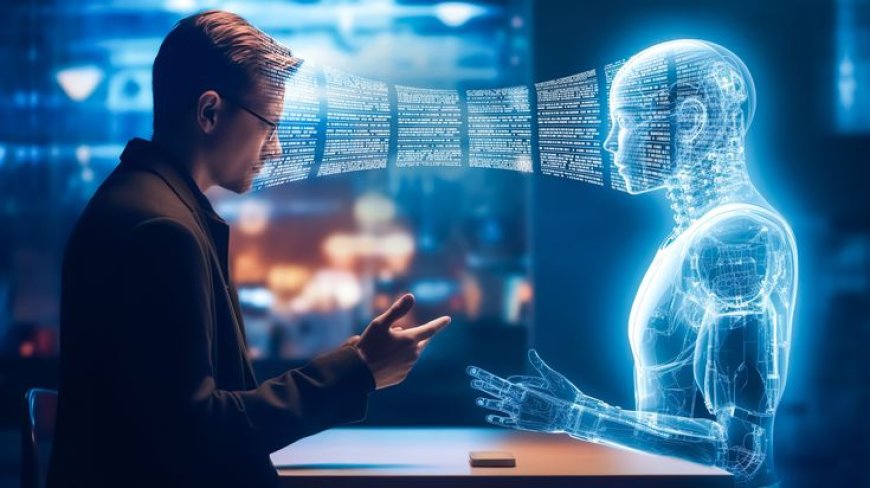
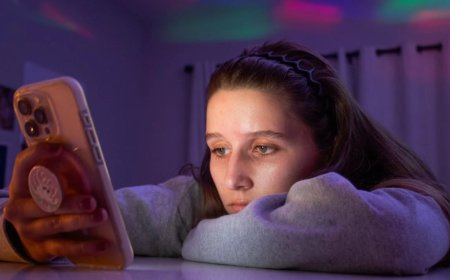
Social media was not that long ago, and it seemed like an ideal lives showreel. Photos and captions were carefully selected, and filtered feelings were on top of our screens. It was marvellous to scroll – but tiresome too. As infinite updates and the work of algorithms took their toll somewhere in-between endlessly, a silent question started to haunt people: Where did real humans go?
There is a slight but significant change in the digital culture today. Social media can no longer be viewed in terms of visibility or virality but rather in terms of connection, expression, and shared experience. The online world is, in a lot of ways, learning to become human again.
The Platforms to the Digital Communities
Social media started as a means of maintaining contact. With time, it became a performance venue; likes turned into money, followers turned into cash, and silence was the equivalent of failure. However, the present-day digital culture reveals otherwise.
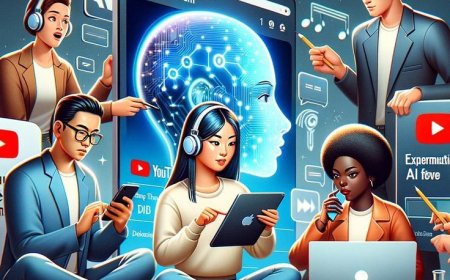
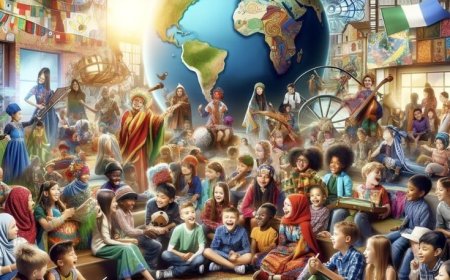
Smaller, meaningful communities are being formed by people. Small communities, close-friend circles, niche forums, and smaller groups are flourishing. Users are no longer addressing a large number of people but a single person. A reader becomes a member of a reading group. A freelancer has peace in a thread of mutual struggle. The new parent finds other people who have had the same experience of having a sleepless baby.
Such change is more indicative of a more significant cultural need: belonging. Digital spaces are becoming the places where individuals feel that they are seen, heard, and not alone as the world around them is fast-paced and overwhelming.
The Rise of Real Over Perfect
Among the most evident alterations in digital culture, the loss of perfection is one to mention. Unedited videos, voice records, raw photographs and streams of consciousness have become more successful than edited posts. Individuals are fed up with faking.
Makers discuss burnout, failures, mental health, and uncertainty. They do not only present the achievements but also show the process, the messy, emotional and unfinished one. This sincerity is close to heart since it is a reflection of reality.
People are not interested in influencers who seem too good to reach anymore. They want relatability. They desire one who suffers, studies, adjusts and develops like them. It is gradually turning into a place of realistic stories, which is the output of social media that has been branded as creating unrealistic standards.
Short Attention, Deep Impact
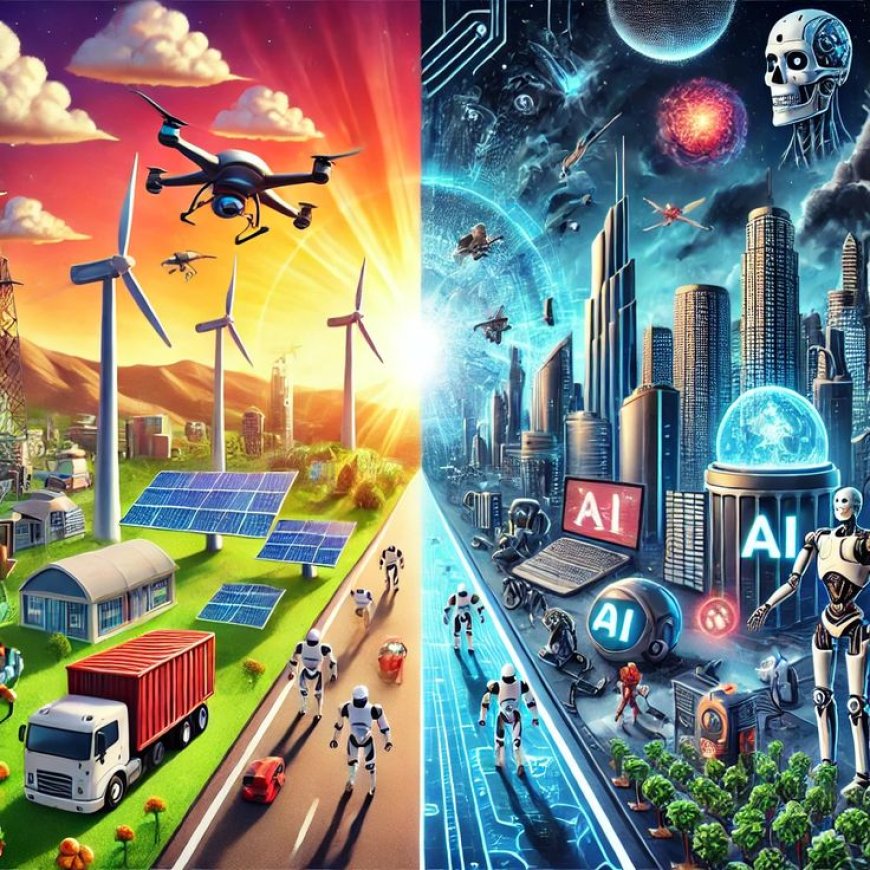
Digital culture is today dominated by short-form content. Reels, Shorts, and TikToks can be only a few seconds, yet they can be incredibly emotional. A 30-second video can make people laugh, empathise, become more aware, or even change the society.
This does not imply that people are less caring, but it has to be processed differently. In a world where everybody is bombarded with information, information that appears to be real and personally touching makes a breakthrough. Storytelling has adapted. Rather than prose descriptions, artists have turned to phrases, music, silence, and nuances.
It is not the duration of attention that is a challenge, but the quality.
Digital Identity: Who the hell are we online?
Identity has been extended to social media. Individuals test themselves in terms of how they present themselves, whether boldly or cautiously. To a large number of people, particularly the younger generations, the digital self cannot be distinguished from the real self. It is another layer of expression.
This has made possible voices of the previously marginalised. People are able to talk without being interrupted. Without the use of traditional gatekeepers, movements can develop. Online cultural conversation is starting and spilling over to real life.
Concurrently, this can be susceptible to the visibility. Online judgement, comparison, and cancel culture are a reminder that digital spaces still need empathy and a sense of responsibility. It is learning, and its culture is changing.
The Algorithm vs. the Human
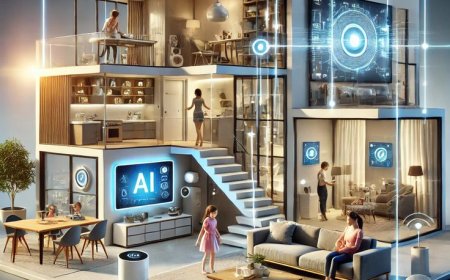
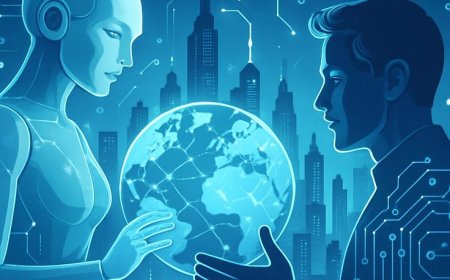
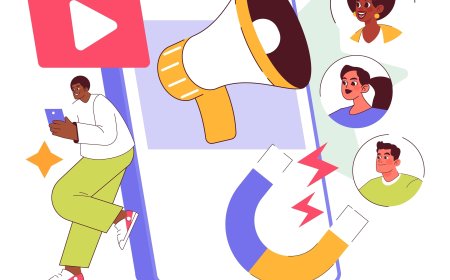
The interaction between humans and algorithms is one of the largest conflicts of digital culture. Social media is made in such a way that it maximises interactions, not well-being. Invisible systems tend to influence what we see, feel and respond to.
However, users are getting enlightened. Some of them are actively managing their feeds – silencing the negativity, unfollowing anything that is not adding value, and taking time off where necessary. Wellness is being digitalised as a culture.
This appreciation is an indication of maturity. Social media is no longer a mere event taking place for individuals. They are vigorously defining its place in their lives.
Creativity in the Everyday
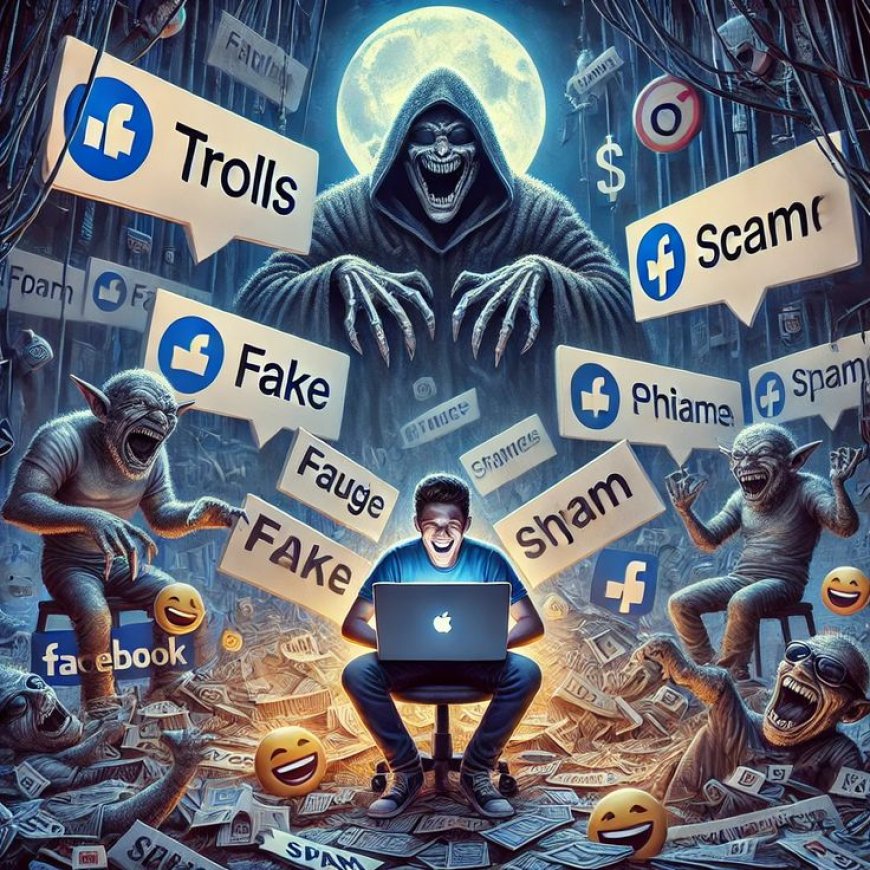
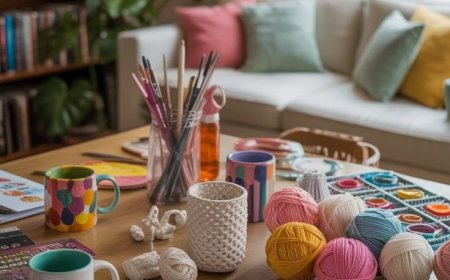
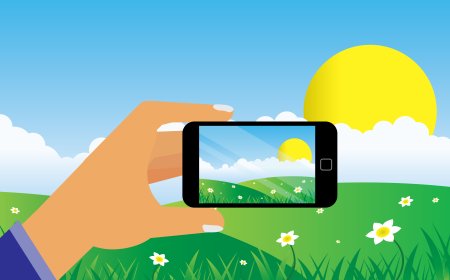
The culture of the digital has democratised creativity. A modern-day designer does not require costly tools or training to make an impression. It is usually sufficient: a smartphone, an idea and honesty.
From the construction of everyday stories to sociological commentaries, creativity has been made to reside in the mundane. The routine of our everyday, a silent note, or even mutual frustration may turn into the content that will attract attention around the world. This has erased the boundary between the creator and consumer – everyone had something to say, and every narrative has a potential.
The Future of Digital Culture
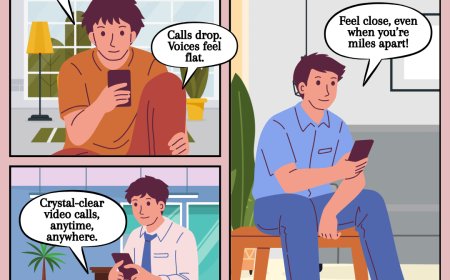
The future of social media lies not in content that is louder or larger audiences. It is all about the depth, trust, and meaningful interaction. Individuals desire platforms that value their time, feelings, and high intelligence.
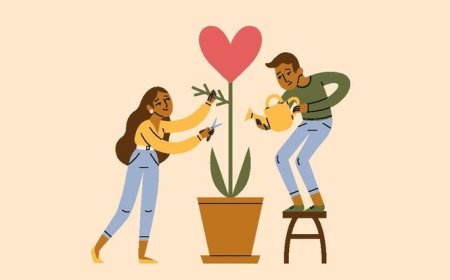
Digital culture is not so much about staying constantly connected but rather living purposefully. It is about being connected rather than competitive, expressive instead of performance-based and human compared to perfect.
Ultimately, social media is the mirror of society. Since individuals are in need of balance, integrity, and meaning in their lives, the online worlds are changing in the same direction. The screens might continue to shine, but beyond are real people: experiencing, learning, and engaging in a way that counts.
What's Your Reaction?
 Like
1
Like
1
 Dislike
0
Dislike
0
 Love
1
Love
1
 Funny
0
Funny
0
 Angry
0
Angry
0
 Sad
0
Sad
0
 Wow
1
Wow
1