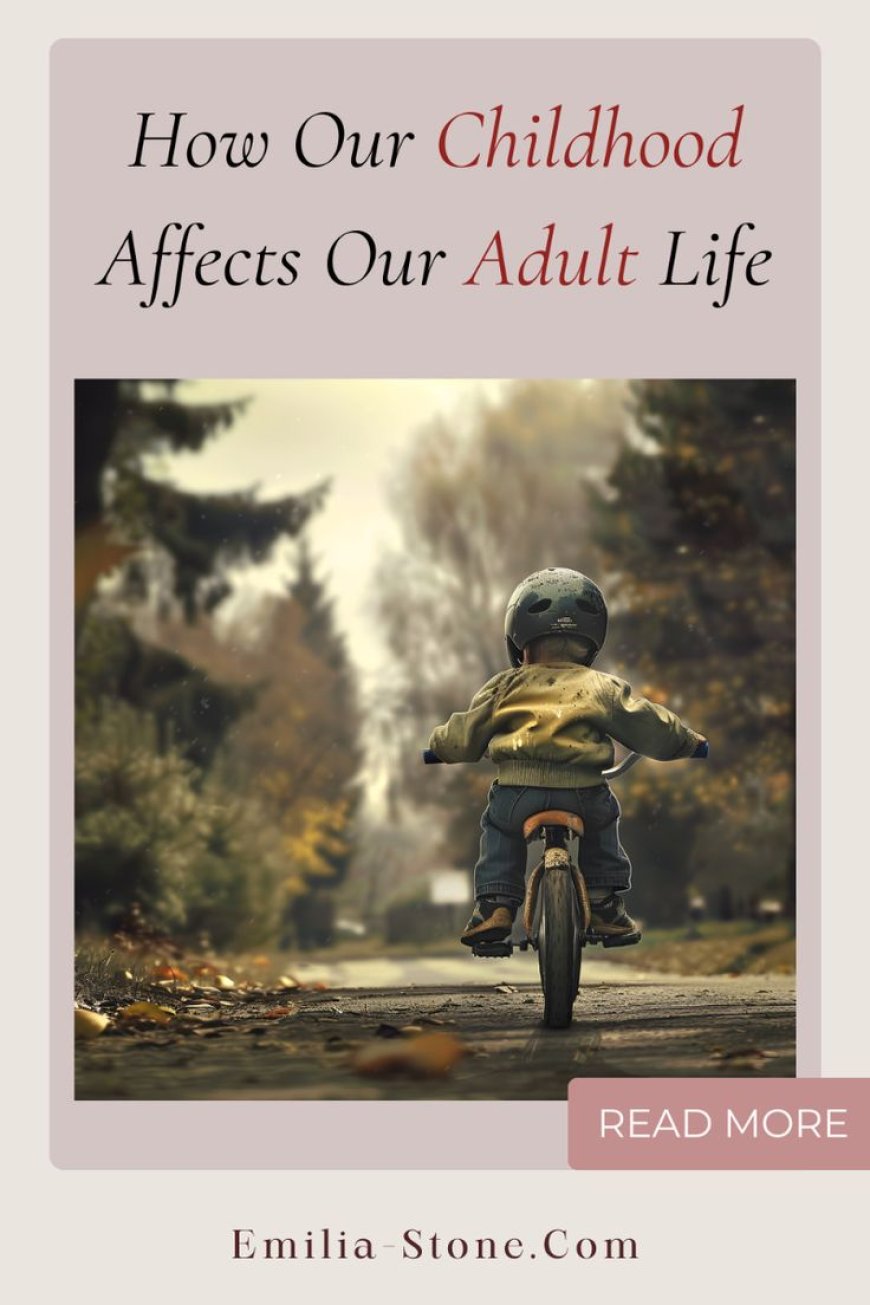
Personality is often seen as something we are born with, but psychological research shows that our early life experiences play a powerful role in shaping who we become as adults. Childhood is a critical period when the brain is rapidly developing, absorbing emotional, social, and environmental cues that influence behavior, beliefs, and relationships later in life. Understanding this connection helps us better understand ourselves—and others.
The Formative Power of Early Years
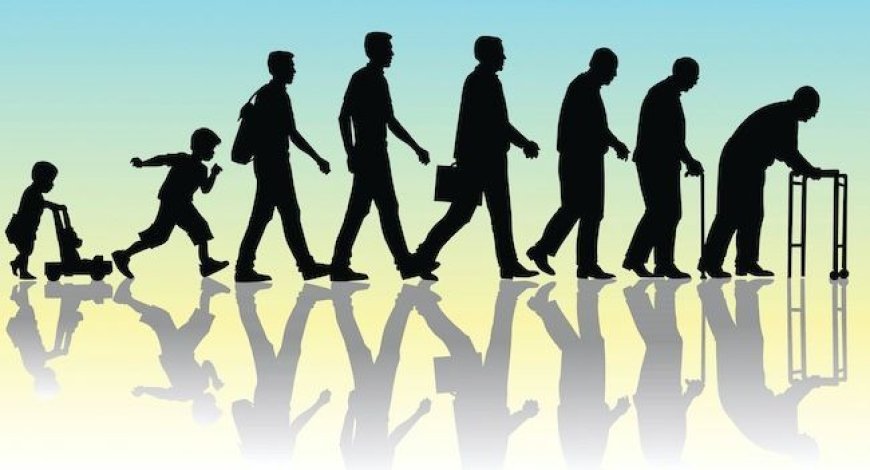
During childhood, the brain is highly flexible, a state known as neuroplasticity. Experiences during this time—both positive and negative—leave lasting impressions. Family environment, parental behavior, cultural values, and early social interactions all contribute to how children perceive the world. These early lessons often become unconscious patterns that guide adult reactions, decision-making, and emotional responses.

Attachment and Emotional Development
One of the most influential factors in personality development is the type of emotional attachment formed with caregivers. According to attachment theory, children who receive consistent care, affection, and emotional support tend to develop secure attachment styles. As adults, they often display confidence, emotional stability, and healthy relationship skills.
In contrast, inconsistent, neglectful, or overly controlling caregiving can lead to anxious or avoidant attachment styles. Adults with these patterns may struggle with trust, fear rejection, or avoid emotional closeness, even when they desire connection.
The Role of Parenting Styles
Parenting styles significantly affect how children develop self-esteem, discipline, and emotional regulation. Supportive and balanced parenting encourages independence while providing guidance, helping children grow into confident and responsible adults. On the other hand, overly strict parenting can create fear, perfectionism, or low self-worth, while overly permissive parenting may result in difficulty with boundaries and self-control.
These early interactions shape how individuals respond to authority, handle stress, and manage responsibility throughout adulthood.

Childhood Trauma and Its Long-Term Effects
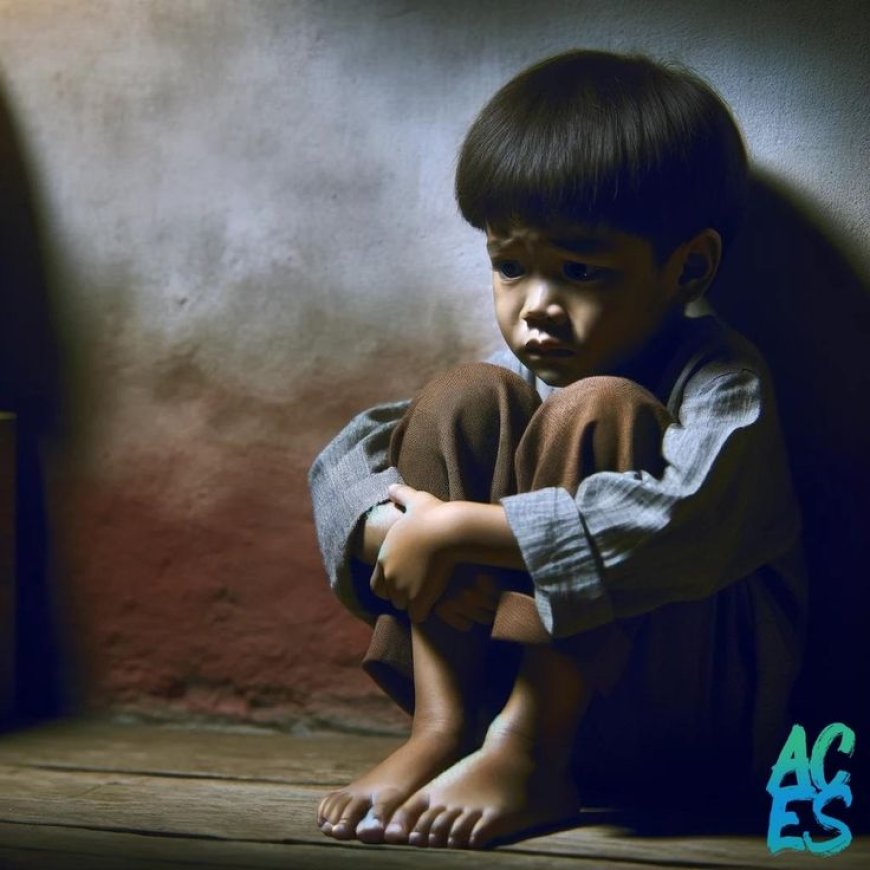
Adverse childhood experiences such as emotional neglect, abuse, bullying, or family instability can deeply affect personality development. Trauma can alter how the brain processes emotions, often leading to heightened anxiety, hypervigilance, or emotional withdrawal. Adults who experienced trauma in childhood may struggle with self-confidence, emotional regulation, or maintaining stable relationships.
However, trauma does not define a person permanently. With awareness, therapy, and supportive relationships, individuals can heal and reshape these patterns.
Social Experiences and Identity Formation
Beyond the family, childhood social experiences also play a vital role. Peer relationships, school environment, and early successes or failures influence confidence and social skills. Children who feel accepted and valued often grow into socially confident adults, while repeated rejection or criticism may lead to self-doubt or introversion.
Cultural expectations and societal norms further shape identity, influencing values, communication styles, and worldviews that persist into adulthood.

Can Personality Change in Adulthood?
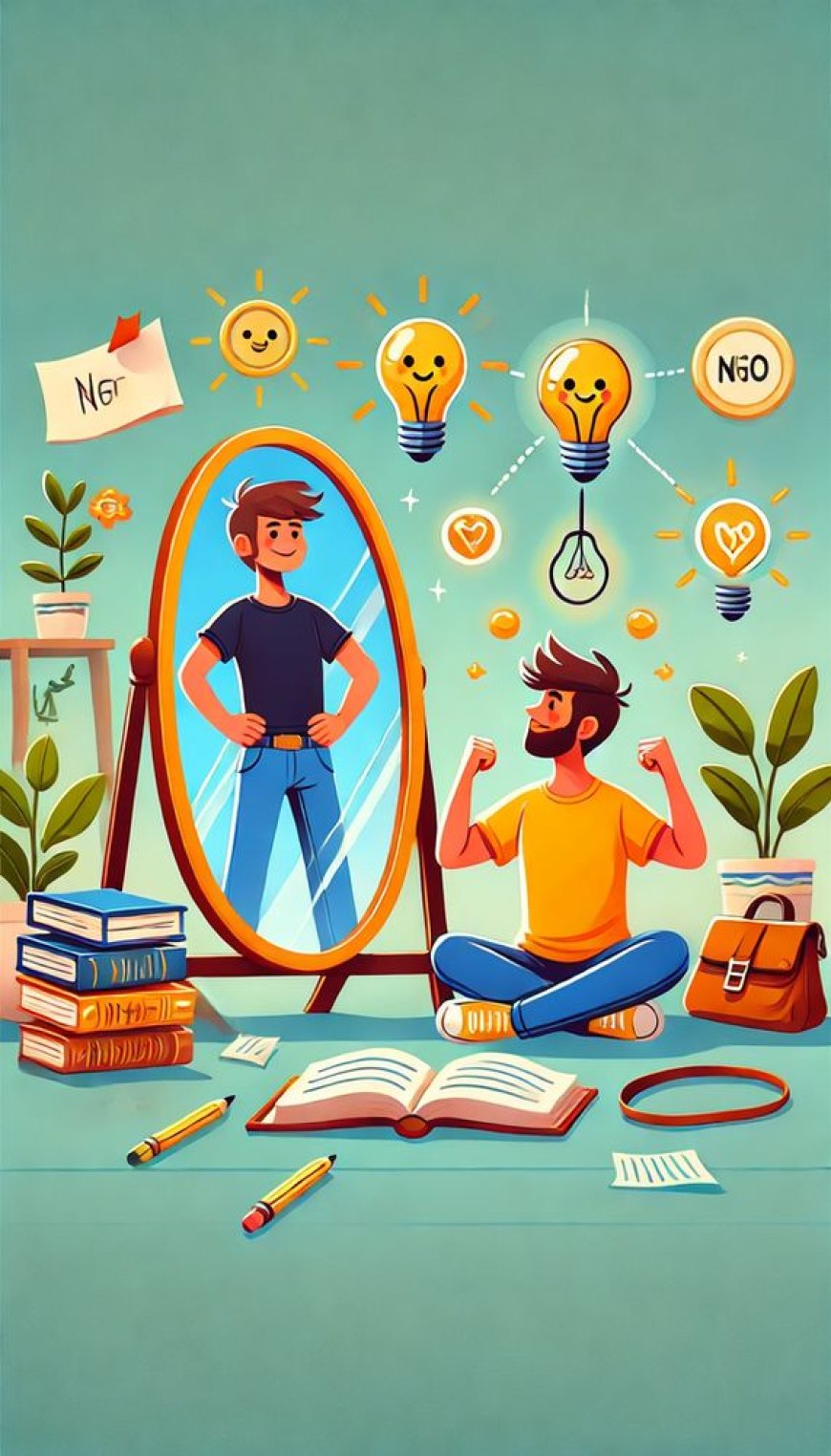
While childhood experiences lay the foundation, personality is not fixed. Adults have the capacity to reflect, learn, and grow. Self-awareness, emotional intelligence, and intentional personal development can help individuals break unhealthy patterns formed in childhood. Therapy, mindfulness, and supportive relationships allow people to rewrite their emotional responses and develop healthier behaviors.
Conclusion
Childhood experiences play a crucial role in shaping adult personality, influencing emotional health, relationships, and self-perception. While early life sets the groundwork, it does not determine destiny. By understanding how the past influences the present, individuals gain the power to grow, heal, and consciously shape the person they choose to become.



























































































































































 Like
0
Like
0
 Dislike
0
Dislike
0
 Love
0
Love
0
 Funny
0
Funny
0
 Angry
0
Angry
0
 Sad
0
Sad
0
 Wow
0
Wow
0