









































































































































































How Android App Updates Improve Security & Performance?
Keep your Android device fast and secure with regular app updates that fix bugs, boost performance, and protect against evolving threats.

Why You Should Keep Your Android Apps
Updated: Security, Performance, and Brand
Identity
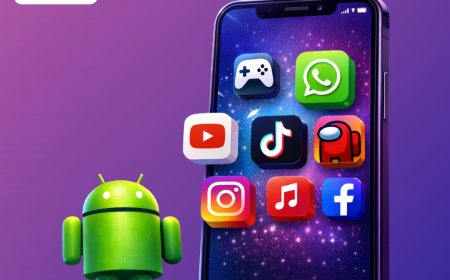
Most of us use Android apps every day for banking, shopping, social media, work, and entertainment. Yet, many people ignore app update notifications, assuming they are unnecessary or time-consuming. In reality, keeping your Android apps updated is one of the simplest and most important habits you can develop for better security, smoother performance, and even a stronger digital Brand Identity.
App updates are not just about adding new features. They are about protecting your data, improving functionality, and ensuring a consistent experience that reflects reliability and trust—whether you are an individual user or a business owner.
Security Is the Biggest Reason to Update Apps
One of the primary reasons developers release updates is security. Cyber threats evolve constantly, and outdated apps are often the easiest targets for hackers. When vulnerabilities are discovered, developers fix them through updates.
If you continue using old versions of apps, your personal data—such as passwords, payment details, and private messages—may be at risk. Updated apps include security patches that protect you from malware, spyware, and unauthorized access.
From a business perspective, using secure and updated apps also supports your Brand Identity. Customers trust brands that prioritize data safety. A single security breach caused by outdated software can damage credibility and reputation permanently.
Better Performance and Faster Speed
Have you ever noticed an app crashing, freezing, or draining your battery too quickly? In many cases, this happens because the app version is outdated. Updates often include performance optimizations that make apps faster, smoother, and more efficient.
Developers continuously test apps on newer Android versions and devices. Updates ensure compatibility with the latest operating system and hardware improvements. Without updates, apps may struggle to function properly, leading to frustration and wasted time.
Smooth app performance contributes to a positive user experience. For businesses, this experience directly reflects on their Brand Identity, as users associate app reliability with brand professionalism.
Improved User Experience and New Features
App updates often introduce new features, better layouts, and improved usability. Developers analyze user feedback to fix pain points and enhance the overall experience.
These changes are not always obvious at first glance, but they make apps easier and more enjoyable to use. Small improvements—like clearer navigation, better accessibility, or smarter notifications—add up over time.
When apps feel modern and user-friendly, they strengthen trust and engagement. This consistency helps reinforce Brand Identity, especially for brands that rely on mobile apps to interact with customers.
Compatibility With New Android Versions
Android frequently releases system updates with new permissions, privacy controls, and performance enhancements. App developers must adapt their apps to remain compatible with these changes.
If your apps are not updated, they may stop working correctly or lose access to essential features. In some cases, outdated apps may not open at all after a system update.
Keeping apps updated ensures a seamless connection between your device and the software you rely on daily. This reliability is a key element of both personal productivity and professional Brand Identity.
Stability and Bug Fixes Matter More Than You Think
No app is perfect. Bugs are a natural part of software development, but developers work continuously to fix them. Updates often address issues such as app crashes, login problems, syncing errors, or notification failures.
Ignoring updates means living with problems that may already have solutions. Regular updates improve app stability, making your digital routine more efficient and stress-free.
For businesses, stable apps signal dependability. An app that works consistently supports a strong Brand Identity by showing users that the brand values quality and attention to detail.
How App Updates Support Brand Identity for Businesses
For companies with Android apps, updates are not optional—they are essential. Each update is an opportunity to improve branding, refine the user journey, and stay competitive.
Updated apps reflect innovation and responsibility. They show customers that the brand is active, responsive, and invested in delivering value. Over time, this builds loyalty and strengthens brand perception.
An outdated app, on the other hand, can harm Brand Identity, making a brand appear careless or outdated in a fast-moving digital environment.
Best Practices for Managing App Updates
To stay secure and efficient, enable automatic updates on your Android device. This ensures that apps update in the background without interrupting your daily routine.
You can also periodically review app permissions and uninstall apps you no longer use. Fewer apps mean fewer security risks and better overall performance.
Staying proactive with updates is a small habit that delivers long-term benefits.
Conclusion
Keeping your Android apps updated is about much more than convenience. It protects your data, improves performance, enhances user experience, and supports a trustworthy digital presence. For businesses, regular app updates play a crucial role in maintaining a strong and consistent Brand Identity.
In a world where technology moves fast, and user expectations are high, staying updated is not just smart—it is essential. By making app updates a priority, you invest in security, efficiency, and long-term digital success.
What's Your Reaction?
 Like
0
Like
0
 Dislike
0
Dislike
0
 Love
0
Love
0
 Funny
0
Funny
0
 Angry
0
Angry
0
 Sad
0
Sad
0
 Wow
0
Wow
0