













































































































































































Piracy costs the industry billions. Is your stream encrypted?
Streaming piracy costs billions every year. Learn why encryption is essential for secure streaming and how to protect your content from digital theft.
Piracy Makes the Industry Billions of Money
Streaming has changed the content consumption in the world. Whether it is a blockbuster film and a web series to watch, a live sports event, a webinar, or an online course, nowadays streaming is the foundation of digital entertainment and education. However, with the emergence of the industry, there is a silent menace that is eating billions annually, and it is called digital piracy.
The question is not nowadays the reality of piracy. It is much more urgent: is your stream secured or open?
The Unseen Price of Piracy is streaming
Streaming piracy is never restricted to illegal downloads or to dark web sites anymore. Contemporary piracy is advanced, quick and international. Hackers get access to premium content in real time with the help of screen recording programmes, cracked applications, hacked logins and black market IPTV services.
The global estimate is that the streaming and media industry is losing tens of billions of dollars every year because of the piracy. But the monetary loss is not the only aspect of the issue. Piracy also leads to:
· Value of exclusive content lost.
· Less content return on investment.
· Damage to brand reputation
· Decline in user trust
· Growth of legal and compliance risks.
To creators of content and the platforms and broadcasters, piracy is not content theft, but it is an assault on sustainability.
The reason behind the easy targets of the streaming platforms
Numerous platforms invest in the creation of content but do not pay much attention to security. Streams that have not been encrypted or are poorly secured can be easily intercepted, duplicated or recast. Live streams are at risk, particularly since pirates are capable of recording and spreading them in real time before sites even recognise the violation.
The small and mid-sized platforms are even more vulnerable since they tend to use simple security protocols as long as big players are the only ones who can fall victim to piracy. In practice, any unpowerfully defended stream is a possible victim.
Encryption: Streaming Security Theory
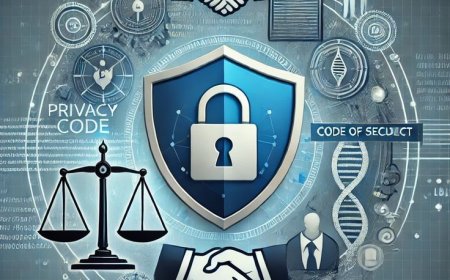
The basis of secure streaming is encryption. In simple terms, encryption will encode your video data in a coded form that cannot be decoded and read without due authorisation.
When a stream is encrypted:
- It makes the content impossible to read for unauthorised users.
- The data is useless without the decryption key even when intercepted.
- Only verified devices and users can be accessed.
In the absence of encryption, your stream is an unencrypted book, and anyone can read it.
Types of Encryption in Streaming
Streaming services of modern technologies have high-level encryption standards that ensure content security:
- AES (Advanced Encryption Standard): Encryption of video data is very common here.
- DRM (Digital Rights Management): Regulates access, sharing, and playback of content.
- Token-based authentication: This makes sure that streams are accessed by authorised users only.
- Secure key exchange systems: Do not steal encryption keys.
A combination of these factors renders stealing content by pirates incredibly hard.
Is Encryption Alone Enough?
Although encryption is a necessary solution, it is not a solution in its own right. Streaming security is an effective multi-layered system. Powerful platforms incorporate encryption and other security features like:
- Watermarking to monitor pirated material.
- Device and IP restrictions
- Regional control by geo-blocking.
- Live tracking and piracy identification.
- Session-based access limits
The application of this layered approach will make sure that one defence is not tested and the rest are not inactive.
Human Factor: Why User Trust is Important
Encryption is not something that viewers may reflect upon, but trust is a matter of great concern. Not only content but also user information, payment and privacy are secured by a safe platform. Users tend to doubt the reliability of the platform in the case of piracy.
Powerful streaming security instills trust. It informs users that the platform is quality-conscious, privacy-conscious, and professionalism-conscious. Trust is as good as content in a competitive market.
The Future of Streaming Security
With the change in technology, there will be changes in the methods of piracy. The already emerging artificial intelligence, automation, and quicker networks are already altering the landscape of piracy. This is why encryption and high-level security are not options anymore but a must.
The future-ready platforms are investing in:
- AI-based piracy detection
- Dynamic encryption keys
- Zero-trust security models
- Blockchain rights management.
The aim is straightforward: be a step better than pirates.
Closing Remarks: Is Your Stream Secure?
Piracy does not disappear in one day, and its influence can be managed. The expenses of not following the security of streaming are much higher in comparison with the expenses of practising it. Encryption is no longer a luxury of big platforms, but it is an essential need of anyone who provides digital content.
In a world where piracy is making the industry billions of dollars less, the question every content owner has to answer is obvious:
Are you encrypted on your stream? - Or are you in danger?
In streaming, protection is not the only kind of security. It’s about survival.
What's Your Reaction?
 Like
0
Like
0
 Dislike
0
Dislike
0
 Love
0
Love
0
 Funny
0
Funny
0
 Angry
0
Angry
0
 Sad
0
Sad
0
 Wow
0
Wow
0