







































































































































































The Future of Sustainable Architecture: Materials, Methods & Innovations
A detailed professional exploration of the future of sustainable architecture, highlighting advanced materials, innovative construction methods, and cutting-edge technologies shaping eco-friendly and resilient buildings for the next generation.
The Future of Sustainable Architecture: Materials,
Methods and Innovations

Sustainable architecture has ceased being a luxury design choice to an international requirement. With increasing population, urbanization, and climate-related demands and pressures, the way buildings are being conceived, built, and used is being redefined by architects and developers. The future of sustainable architecture is a dynamic combination of modern materials, new construction techniques and smart technologies that limit the negative effect on the environment and maximize the comfort of a person and their value over time. Sustainability today is not just energy conservation; it is a question of determining strong environments that can sustain communities in the future.
1. Rebuilding the Materials: Renewable to Regenerative
One of the most significant changes in sustainable buildings is the substitution of the conventional ways of construction material, which is in most cases, not carbon-free, with the greener ones that actually positively impact the environment.
Cross-Laminated Timber (CLT)
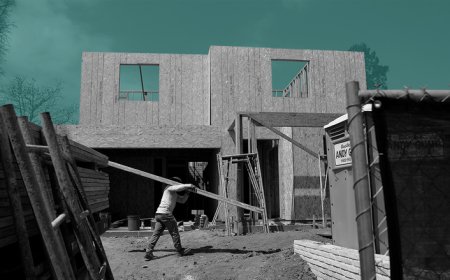
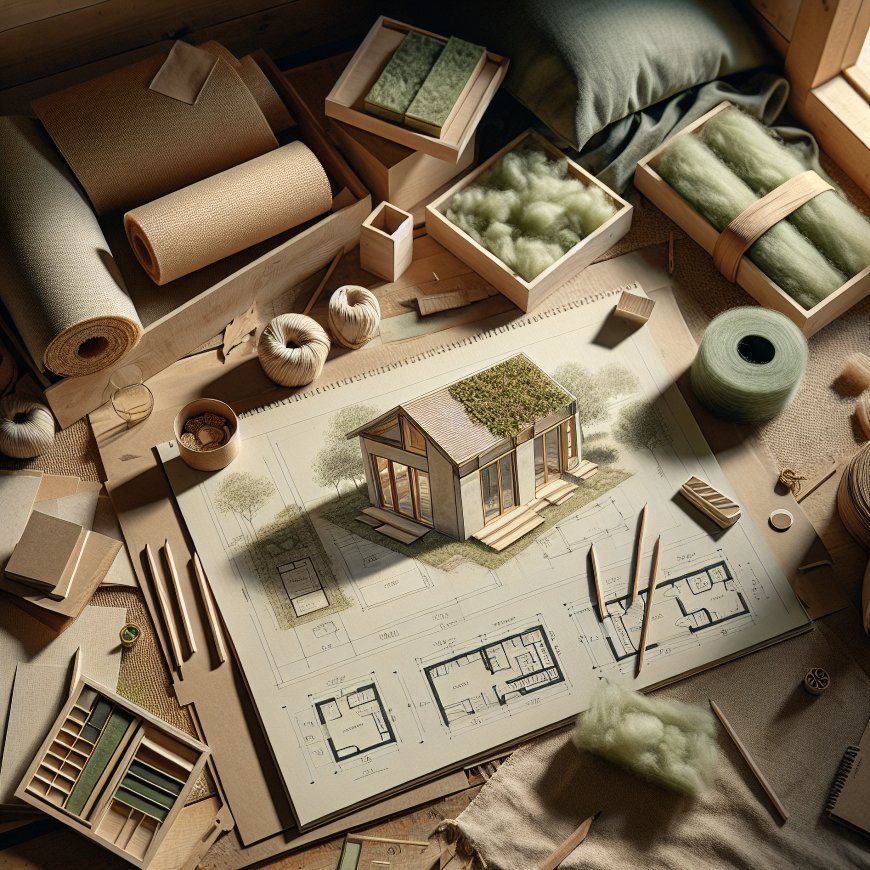
CLT has proven to be one of the most promising structural materials in future. CLT is made of sustainably sourced wood, and is as strong as steel with one tenth of the carbon footprint. Its light weight and versatility in addition to its carbon storage capabilities render it suitable to construction of mid-rise to high rises.
Upcycled and Recycled Materials
Durability of architectural elements is now being redesigned by using glass, steel, plastics and even demolition waste. Bricks that have been upcycled, crushed concrete aggregates, and recycled aluminum cut down waste in landfills, as well as the requirement for extracting raw materials.
Bio-based Materials
Substances, such as mycelium (composite made of fungus), hempcrete, cork and bamboo are all becoming common in walling, insulation and floors. These materials are self-regenerative, of low embodied energy, and are commonly very good in thermal and acoustic performance.
Intelligent and Adaptive Materials
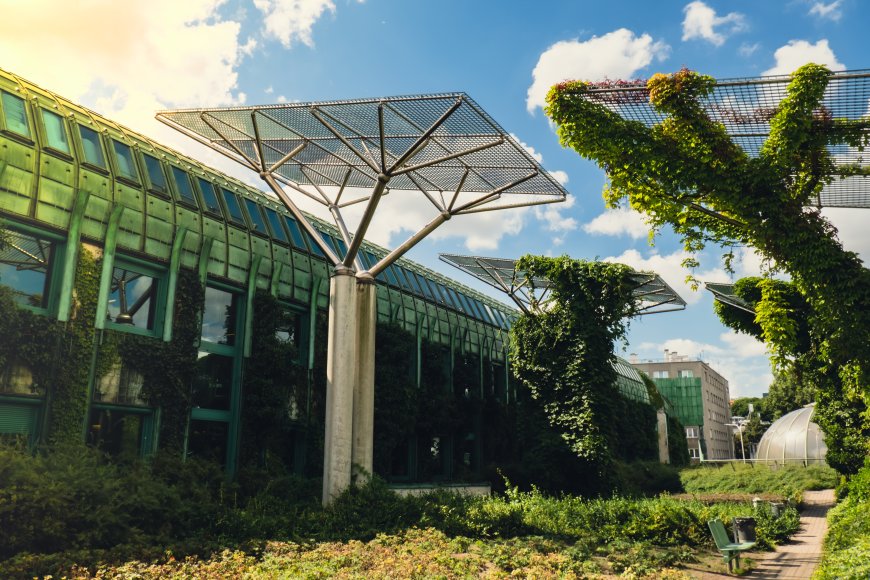
The future is photochromic glass, self-healing concrete, and phase-changing materials (PCMs). These solutions are dynamic to variations in the environment, such as cracks that seal themselves, temperature regulation, or sunlight filtering that do not require mechanical solutions.
The materials of the future are not only of green nature but also interactive, adaptive, and fully connected with the ecological processes.
2. New Building Technologies that are Defining the Future
In the architectural sector, there is an adoption of new techniques that contribute to being sustainable through minimization of wastes, faster construction schedules and efficient buildings.
Prefabricated Construction Modular Construction
Ready-made modules reduce wastage of materials, reduce energy use, and massively eliminate pollution at the sites. Prefabrication also contributes to the quality control and high rate of project delivery. Modular buildings can have a tremendous impact in reducing the footprint of a building in terms of life-cycle when they are designed using sustainable materials.
Additive Manufacturing (3D Printing)
The 3D-printed buildings are changing the way buildings are brought to life. The 3D printing can produce more complicated shapes using more efficient means using locally available materials or recycled materials. It minimizes wastage, man power and time of construction, and in the process, it allows organic, bio mimetic designs, which are optimal in performing structural and environmental.
Passive Design Principles
Passive house design is aimed at taking advantage of natural forces of sun, wind, and shade to lower the energy requirements. Features include:
High-performance insulation
Airtight envelopes
Heat recovery controlled ventilation.
Maximized orientation on natural light.
Passive buildings are capable of saving as much as 90 percent of energy usage and redefine the concept of comfortably and sustainably living.
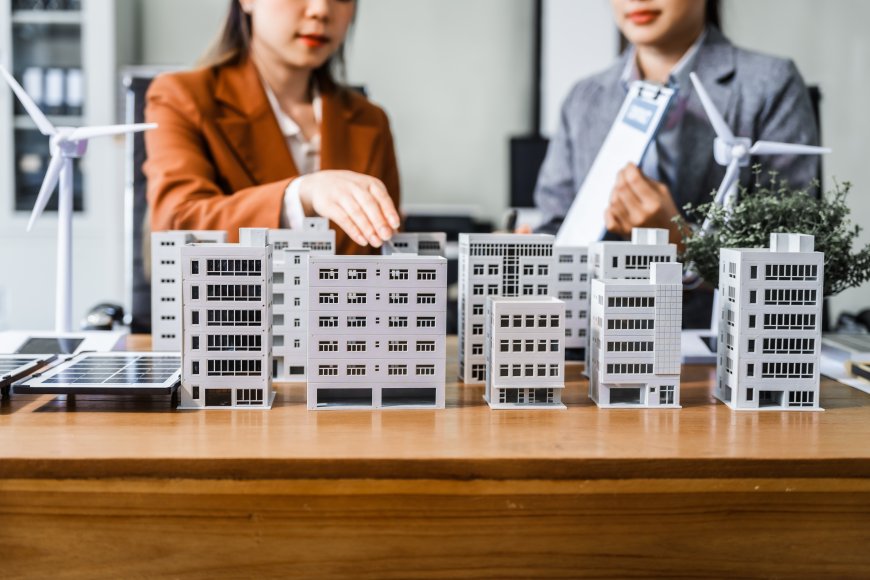
3. Technology: Innovations in Technology, Smart, Responsive and Efficient
Technology is important to the development of sustainable architecture. The use of smart systems and digital tools aids more efficient operations and building and construction.
Building Information Modeling (BIM)
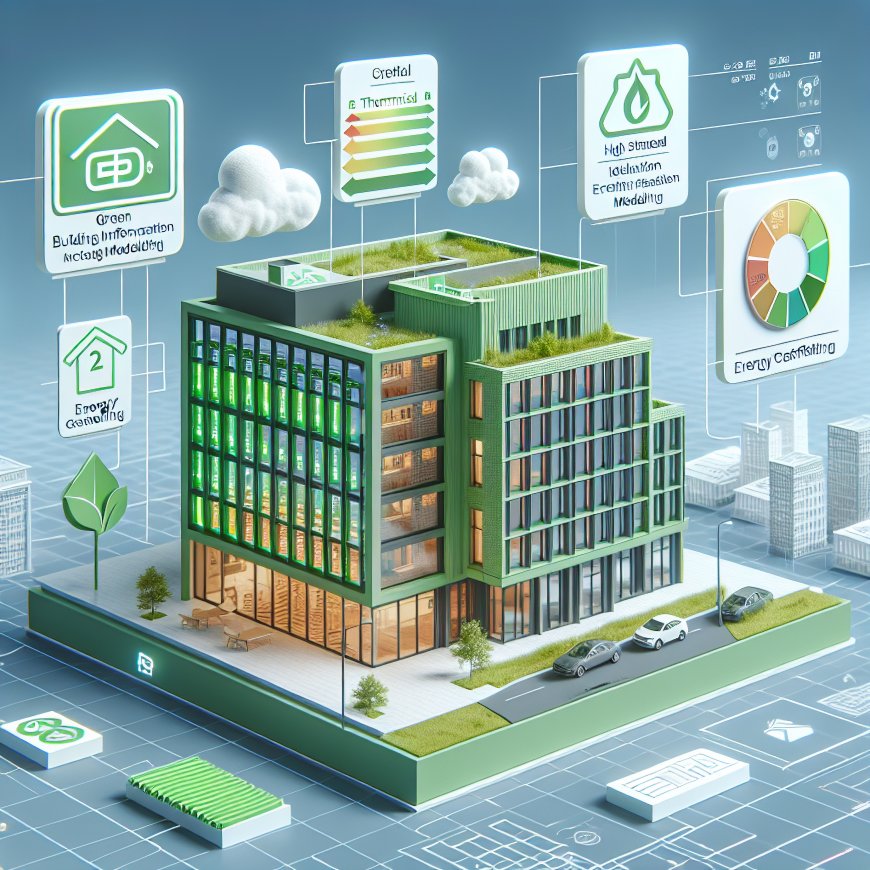
BIM allows the work of the architects, engineers, and contractors to collaborate with the help of the common digital design. It assists in estimating the energy use, optimizing the performance of buildings, identifying structural problems, and minimizing design flaws- resulting in more sustainable results between planning and building.
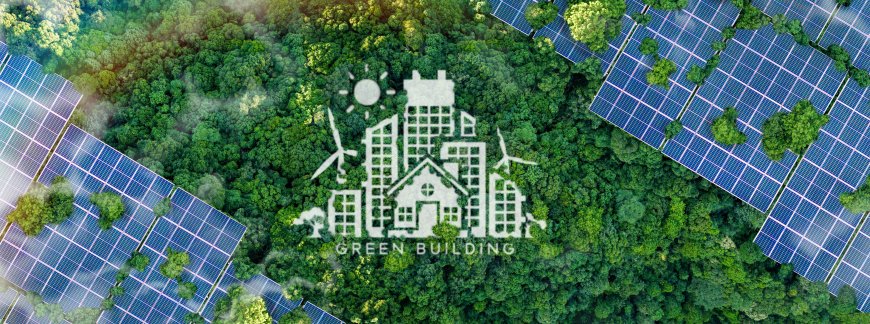
Smart Building Systems
The sensors and automation systems based on IoT make buildings think and act in real time. Examples include:
HVAC and lights that are automated
Smart shading devices
Smart appliances that are energy efficient.
Real-time monitoring of air quality.
These upgrades save on energy consumption, make occupancies comfortable, and make the interior healthier.
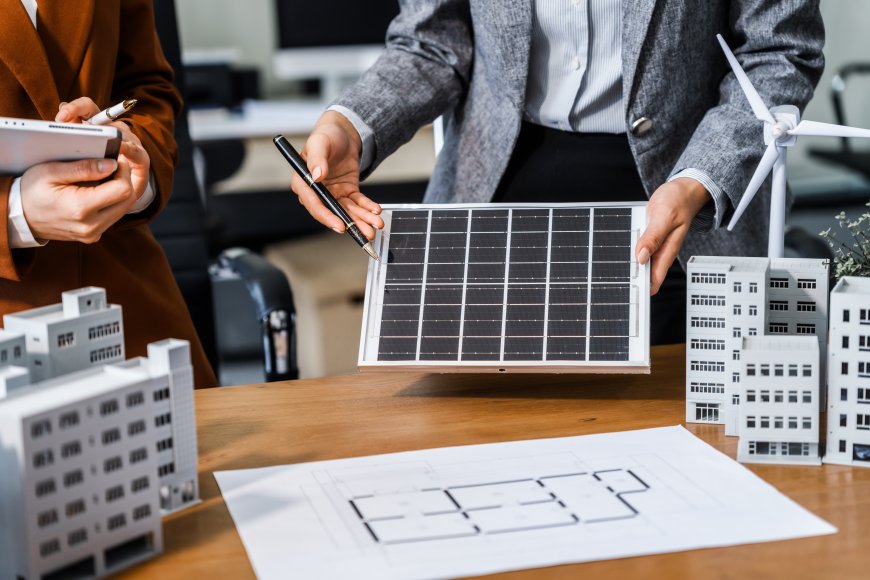
Renewable Energy Integration
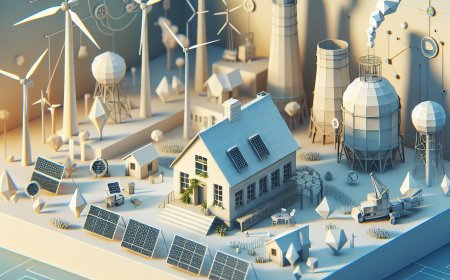
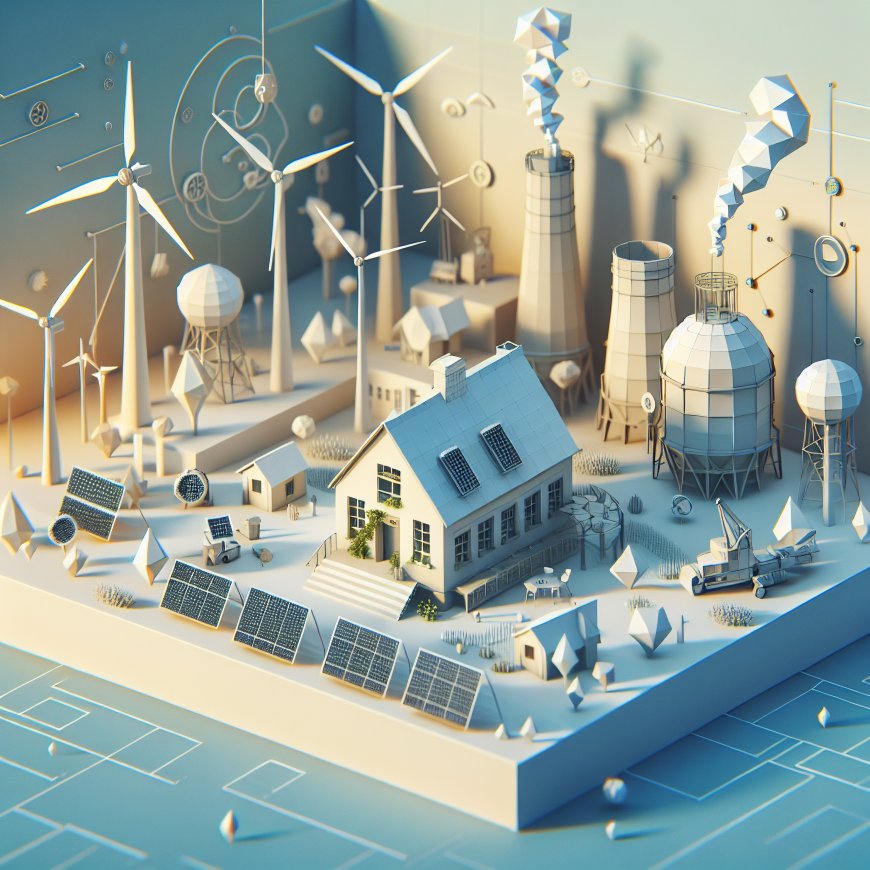
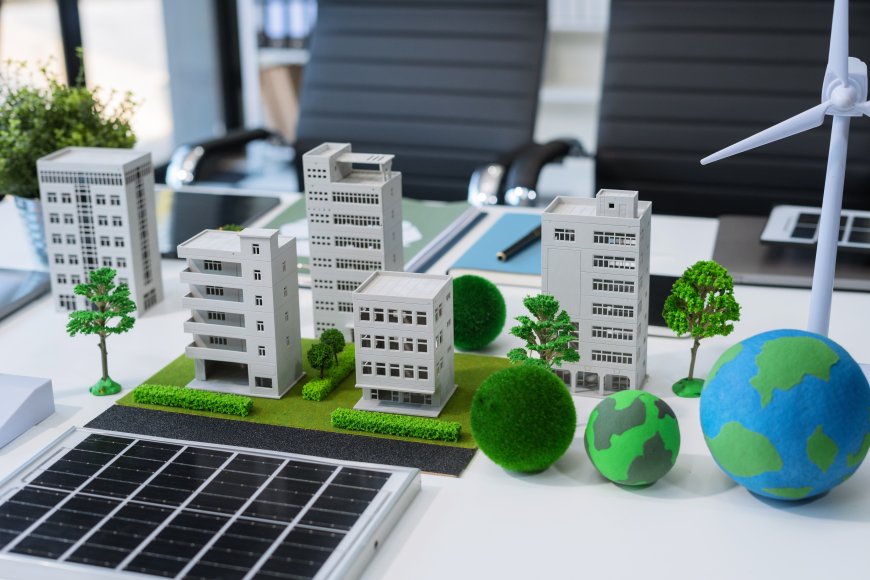
Contemporary sustainable architecture combines the renewable systems as a part of the design of buildings. Buildings are made either partially or completely independent by solar facades, rooftop wind turbines, geothermal heating, and rainwater harvesting systems. Reliability and resilience are further improved by energy storage systems such as battery walls.
4. Design to withstand Climatic Conditions and Resilience
The architecture of the future needs to be resistant to climate volatility that is bound to increase floods, temperatures, storms, and changing weather patterns.
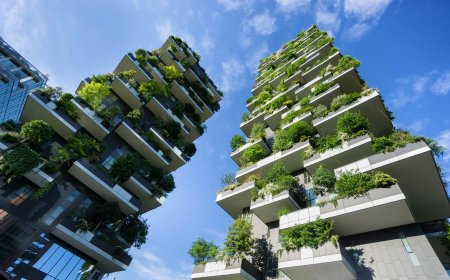
Vertical Gardens and Green Roofs
Green roofs have an insulating effect, absorb rainwater, and alleviate heat island effects. Vertical gardens enhance and uplift the quality of air, encourage biodiversity, and act as natural shading materials.
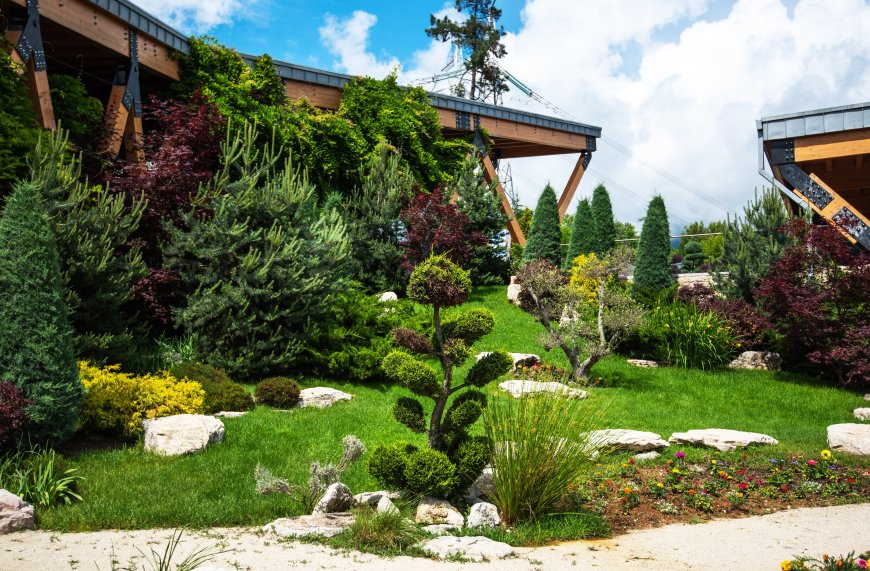
Climate-Responsive Design
Through examination of local climates, architects are designing structures which easily fit the existing climatic conditions: in hot areas they are using wind towers, in areas where flooding happens frequently, their structures are being raised high and in areas where temperatures are high, they are using reflective roof in their buildings.
Circular Architecture
The new design philosophy will make certain that buildings do not put an end to the life cycle of a material. They can be disassembled, reused and regenerated continuously and further bring the industry to zero-waste construction.
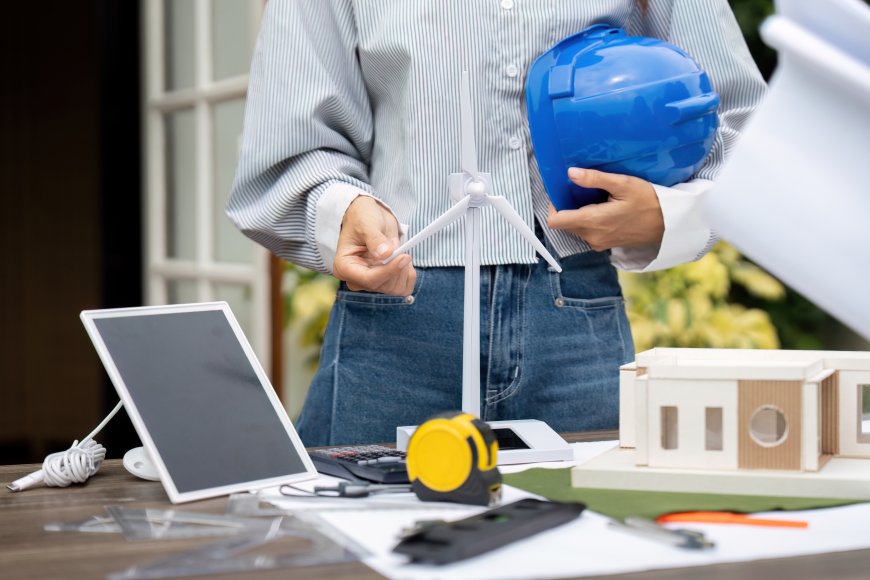
Conclusion: A New Future of Architecture
Sustainable architecture is no longer merely about reducing the harm that is done to it, but rather about the regenerative systems that would reverse the situation to the point of delivering more than they take. The built environment is experiencing a radical change with the development of new environmentally friendly materials, new construction procedures, and smart technologies. To make sure that sustainability becomes the core of each project, the collaboration of architects, developers, and policymakers will be needed.
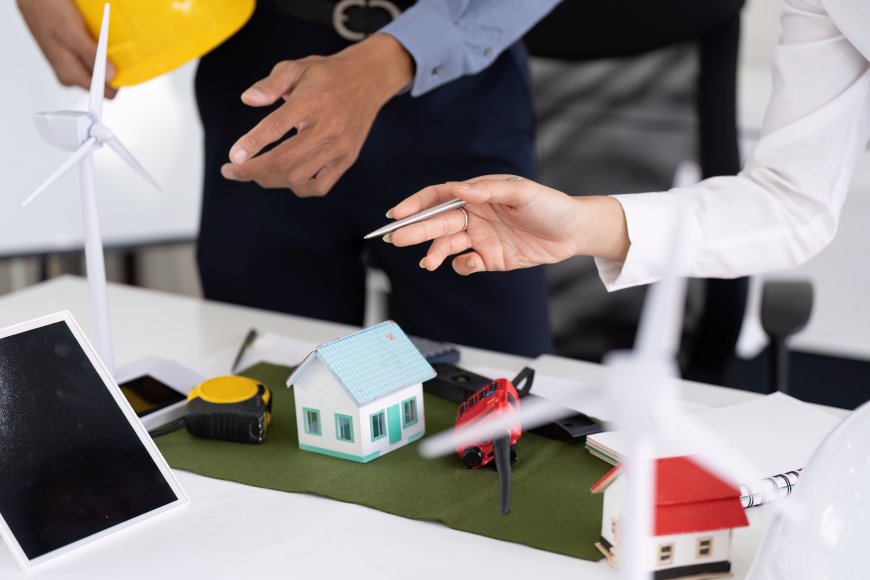
Sustainable architecture is at the leading edge of the global process of change to a low-carbon future, creating cities that are both environmentally friendly and technologically but also very much connected with the health of people and the environment.
What's Your Reaction?
 Like
1
Like
1
 Dislike
0
Dislike
0
 Love
0
Love
0
 Funny
1
Funny
1
 Angry
0
Angry
0
 Sad
0
Sad
0
 Wow
1
Wow
1