


















































































































































































How to Optimize Your Leads Payout Dashboard Performance
Discover hidden features of the leads payout dashboard to track earnings, improve lead quality, forecast payouts, and boost overall performance.
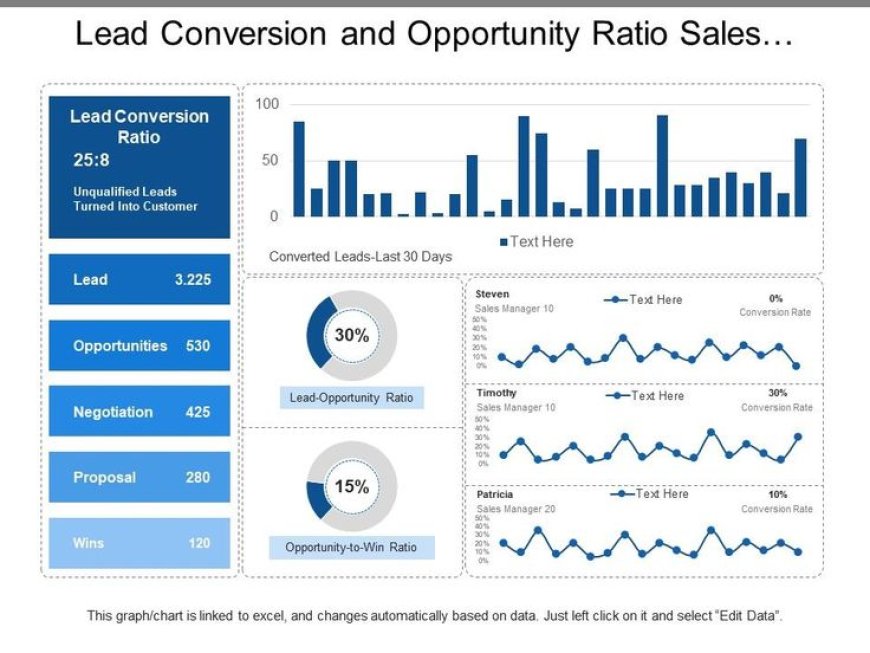
For businesses, affiliates, and digital marketers, a leads payout dashboard is more than just a numbers screen—it is the control center for tracking performance, revenue, and growth opportunities. While most users focus only on total earnings and payout status, modern dashboards offer powerful features that often go unnoticed. Understanding and fully utilizing these hidden tools can significantly improve transparency, decision-making, and profitability.
This article explores key features within a leads payout dashboard that many users overlook—and how they can help you maximize results.
1. Real-Time Lead Tracking and Status Updates
One of the most underutilized features is real-time lead tracking. Instead of waiting for daily or weekly updates, many dashboards allow you to monitor each lead’s journey as it happens.
You can typically see:
- Lead submission time
- Verification status
- Approval or rejection reasons
- Conversion progress
By analyzing lead status in real time, you can quickly identify quality issues, improve targeting, and take corrective action before revenue is impacted.
2. Detailed Payout Breakdown by Source
Most users check only the total payout amount, missing the detailed breakdown by traffic source, campaign, or channel. This feature helps you understand exactly where your profitable leads are coming from.
Common breakdowns include:
- Campaign-wise payouts
- Channel-wise performance (social, search, referrals)
- Geographic lead distribution
- Device-based conversions
This insight allows you to double down on high-performing sources and eliminate wasteful spending.
3. Approval Rate and Quality Metrics
A high number of leads doesn’t always mean high earnings. Approval rate metrics reveal the true quality of your traffic. Dashboards often show:
- Lead acceptance percentage
- Rejection reasons
- Duplicate or invalid lead flags
- Quality scores
Monitoring these metrics helps you align better with advertiser requirements and improve payout consistency over time.
4. Earnings Forecast and Pending Payouts
Many payout dashboards include forecasting tools that estimate future earnings based on pending or in-review leads. This feature is especially valuable for financial planning.
Key insights include:
- Pending payout value
- Expected approval timelines
- Upcoming payout cycles
- Minimum payout thresholds
By tracking future income, you can plan campaigns, expenses, and growth strategies more confidently.
5. Filters and Advanced Search Options
Advanced filters are often ignored, but can save hours of manual work. These tools allow you to segment data quickly and extract actionable insights.
You can filter by:
- Date range
- Campaign or advertiser
- Lead status
- Payout amount
- Country or region
Using filters helps identify patterns, seasonal trends, and performance anomalies without exporting data.
6. Downloadable Reports and Data Exports
Dashboards usually provide report export options in formats like CSV or Excel, but many users rarely use them. These reports are essential for:
- Accounting and reconciliation
- Affiliate performance reviews
- Internal team reporting
- Tax and compliance documentation
Regularly downloading and reviewing reports ensures financial accuracy and better record-keeping.
7. Dispute and Support Tracking Tools
If leads are rejected or payouts delayed, dashboards often include dispute or support ticket features. Instead of relying on emails, you can track:
- Dispute status
- Resolution timelines
- Communication history
- Final outcomes
Using in-dashboard support tools creates a documented trail and speeds up issue resolution.
8. Notifications and Alert Settings
Many platforms allow you to customize alerts for important events, such as:
- Lead approval or rejection.
- Payout releases
- Threshold achievements
- Account or compliance updates
Enabling notifications ensures you never miss critical updates and can act promptly.
9. Security and Compliance Indicators
Modern payout dashboards often include security-related indicators such as account verification status, payment method validation, and compliance checks.
Keeping these up to date helps:
- Avoid payout delays
- Maintain account trust
- Protect against unauthorized activity.
Ignoring these sections can lead to unnecessary interruptions.
Conclusion: Turn Your Dashboard Into a Growth Tool
A leads payout dashboard is not just a reporting interface—it’s a strategic asset. By exploring features beyond basic earnings, you gain deeper visibility into performance, quality, and future revenue.
When used effectively, the dashboard helps you optimize campaigns, improve lead quality, forecast income, and scale with confidence. Take the time to explore every section—you may be surprised how much value has been hiding in plain sight.
What's Your Reaction?
 Like
0
Like
0
 Dislike
0
Dislike
0
 Love
0
Love
0
 Funny
0
Funny
0
 Angry
0
Angry
0
 Sad
0
Sad
0
 Wow
0
Wow
0

Harshita Dhakad
Now working as a Social Media Marketing Executive at [Shakuniya Solutions Pvt Ltd]
Excited to create content that connects, campaigns that convert, and communities that grow. 💻💡 #SocialMediaLife #MarketingJourney”