










































































































































































Expansion or Overload? Navigating the Logistics of FIFA's 48-Team North American Era
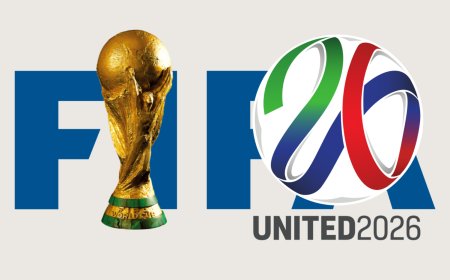
As FIFA expands the 2026 World Cup to 48 teams and 104 matches, North America faces an unprecedented logistical test. From the "grass transplant" in NFL stadiums to the transit hurdles across three nations, we examine whether the biggest tournament in history is pushing infrastructure to the breaking point.
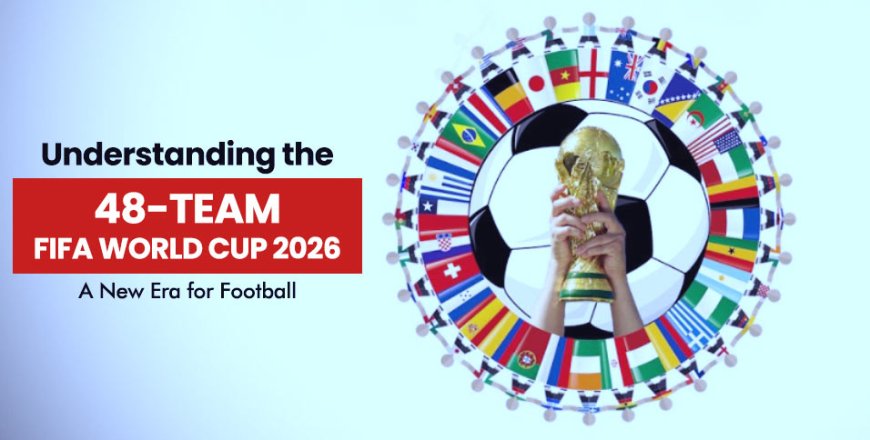
The days of the compact, easy-to-follow World Cup are officially over. As the 2026 tournament looms, we aren't just looking at a few more teams; we’re looking at a total logistical overhaul of North American sports. FIFA’s decision to pack 48 teams into three countries has turned a summer tournament into a massive, 39-day endurance test.
It sounds great on a marketing brochure. More teams mean more flags, more fans, and more TV money. But behind the scenes, the sheer physics of moving 48 squads across 16 cities—from the high altitudes of Mexico City to the rain-slicked turf in Vancouver—is starting to look like a nightmare for organisers.
The Transit Gap Let’s talk about the elephant in the room: North American infrastructure. In Qatar, you could take a subway to almost every game. In 2026, you’ll be living in airports. We are talking about a tournament footprint that covers four different time zones.
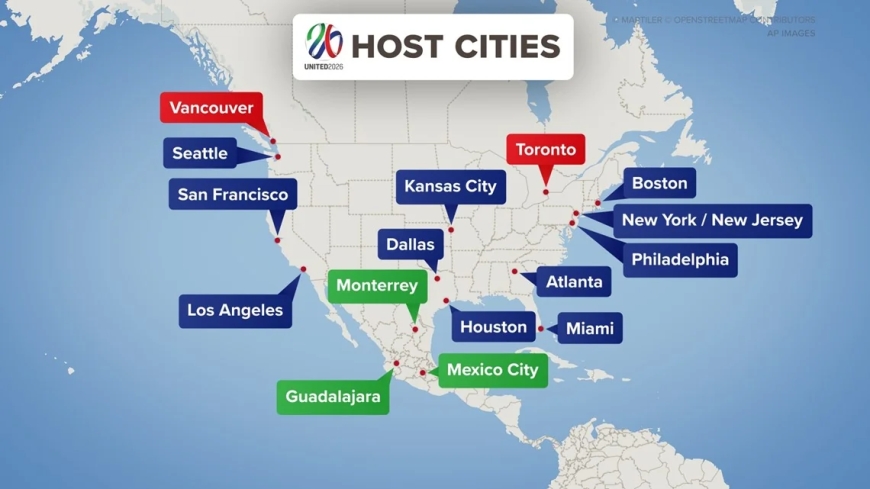
For fans, the "American Dream" of a World Cup might be spent mostly in TSA lines. While New York and Philly have the rail to handle the crowds, cities like Kansas City or Los Angeles are essentially "car-first" hubs. If these cities don’t figure out how to move 80,000 people without a 4-hour traffic jam at the stadium gates, the "fan experience" is going to be a disaster.
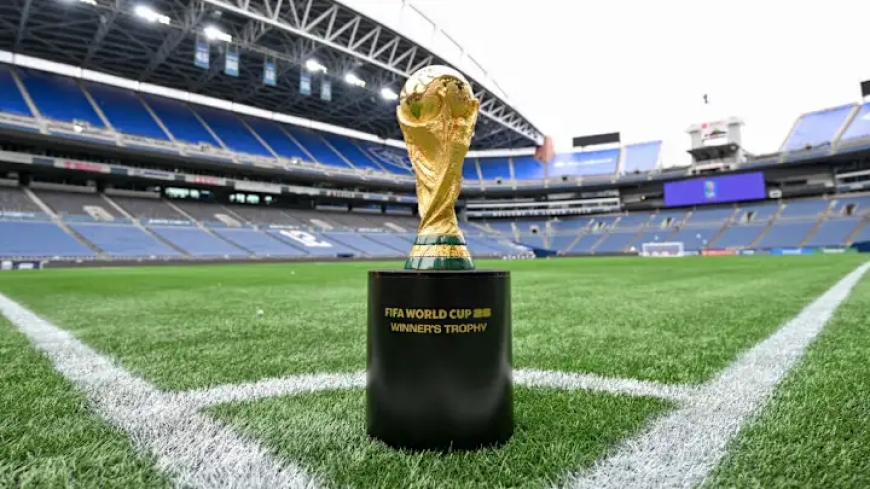
The Pitch Problem Then there’s the grass. Most of the billionaire-owned NFL stadiums picked for this tournament use artificial turf. FIFA won't touch the stuff. That means venues like Mercedes-Benz Stadium in Atlanta have to undergo a literal "organ transplant," installing high-tech, temporary natural grass systems that need to stay alive in indoor environments. If that grass dies or gets torn up in the July heat, we’re going to see the world's best players tearing ACLs on live television.
Diluting the Drama? On the pitch, the stakes have shifted. With the new Round of 32, we’re adding a whole extra week of knockout football. Critics are already pointing out that a 48-team field inevitably waters down the group stages. We might see more "park the bus" tactics from smaller nations just trying to scrape into the best-of-third-place spots.
Is 2026 too big? Probably. It’s a massive commercial gamble designed to milk every cent of revenue out of the North American market. If the planes stay on time and the grass stays green, it’ll be a historic party. But FIFA is playing a dangerous game with the scale of this thing. We’re about to find out if you can actually fit the whole world into one continent without the wheels falling off.
What's Your Reaction?
 Like
0
Like
0
 Dislike
0
Dislike
0
 Love
0
Love
0
 Funny
0
Funny
0
 Angry
0
Angry
0
 Sad
0
Sad
0
 Wow
0
Wow
0