
































































































































































The Zero That Defined a Nation: Sachin Tendulkar’s 1989 Journey
On Dec 18, 1989, a 16-year-old Sachin Tendulkar debuted with a duck against Pakistan. Discover the human story of how this "zero" became the foundation for India's greatest sporting icon.
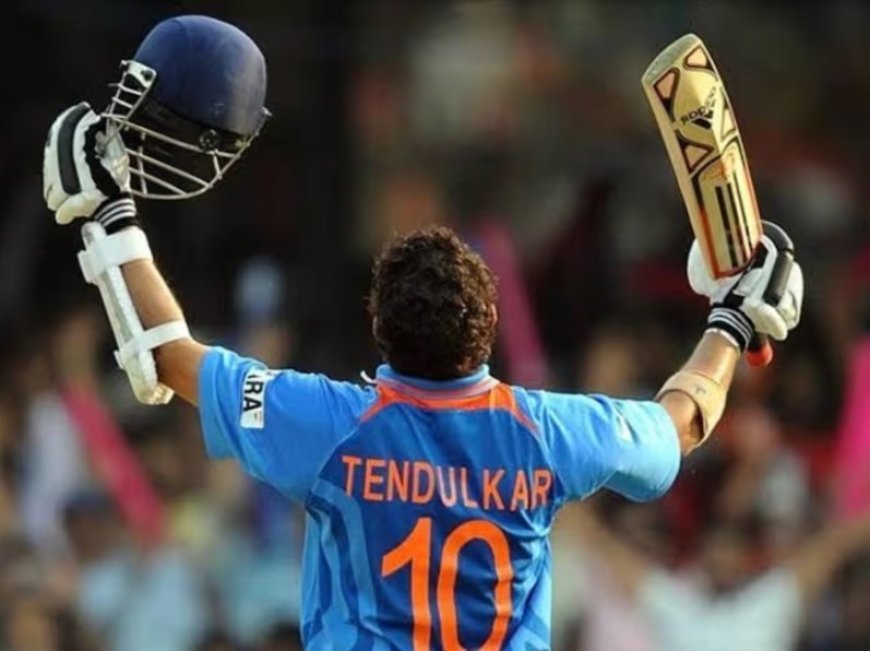
December 18, 1989. Gujranwala, Pakistan.
Imagine a stadium so loud you can’t hear your own thoughts. Now, imagine walking into that noise as a 16-year-old boy. Your jersey is a bit loose, your voice hasn't fully deepened, and you’re carrying a bat that feels like a shield against a pack of wolves.

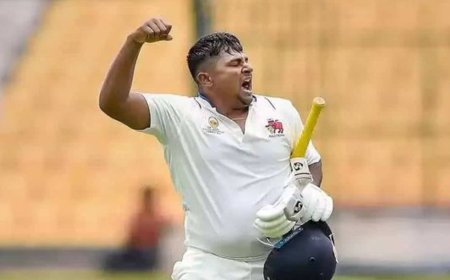
This was the day Sachin Ramesh Tendulkar stepped out for his first-ever One Day International (ODI). It didn't go the way the movies would script it. It was raw, it was messy, and it was perfectly human.
The Chaos Before the Storm
The match was a disaster before it even started. Heavy fog and "bad light" (the eternal enemy of cricket in the 80s) had slashed the game down to a chaotic 16-overs-a-side sprint. It wasn't a tactical battle; it was a street fight. India was chasing 88 runs—a tiny target today, but a mountain back then on a damp, hostile pitch.
The "Golden" Failure
When Sachin walked out at Number 5, the Indian top order was already wobbling. Across from him stood Waqar Younis, another teenager who was currently bowling thunderbolts that felt like they were aimed at the soul, not just the stumps.
-
The First Ball: Sachin watches it. A blur of white.
-
The Second Ball: He decides to dominate. He swings. It’s a shot born of youthful bravery—or maybe just nerves. The ball catches the edge, loops into the air, and settles into the hands of Wasim Akram.
The Score: 0.The Balls: 2.
He walked back in silence. No applause. No "God of Cricket" chants. Just a kid who had failed on the big stage.
The Human Side: Why This "Zero" Matters
What makes this story incredible isn't that he failed, but what happened in the dressing room afterward. Most kids would have stayed in the corner, hiding. But Sachin was different.
Just a few days earlier in the Test series, he had been hit on the face by a Waqar bouncer. Blood was gushing, his nose was broken, and the senior players told him to retire hurt. He simply wiped the blood with his sleeve and said the two words that changed Indian history: "Main khelega" (I will play).
That same grit was there after the duck in Gujranwala. He didn't see the zero as a failure; he saw it as a price of admission.
The Legacy of the Duck
-
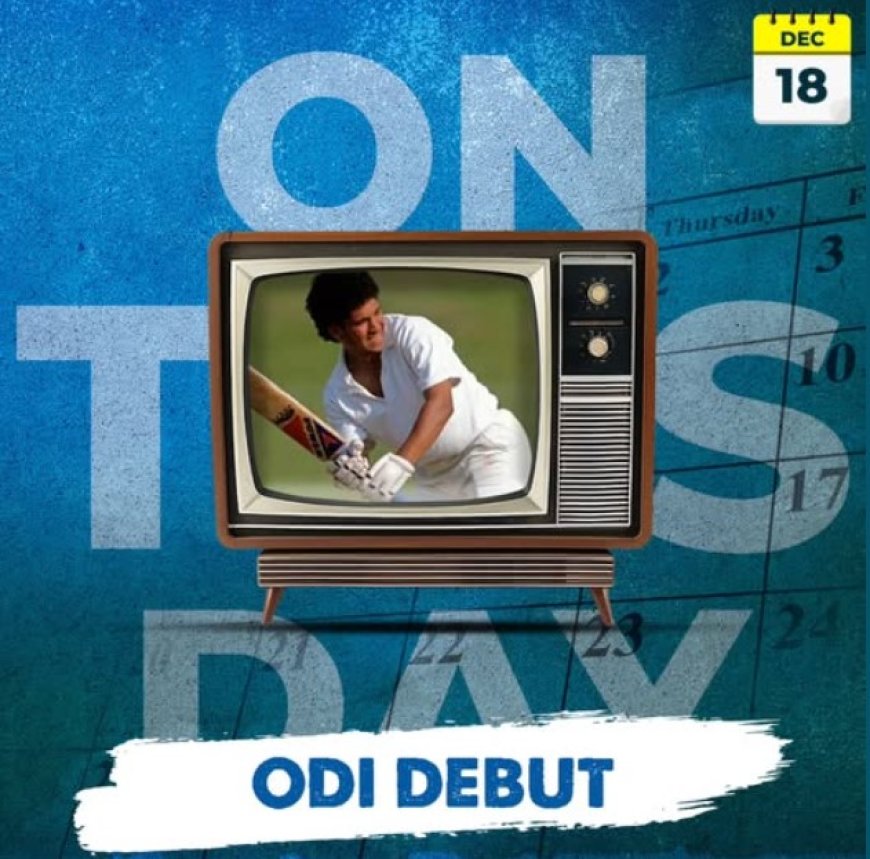
The Wait: Today, we remember him for 49 ODI centuries. But did you know he didn't score a single century for his first 78 matches? For five years, he was just "the talented kid who hadn't quite nailed it."
-
The Symmetry: 23 years later, in March 2012, Sachin played his final ODI. The opponent? Pakistan. He started with them, and he ended with them.
-
The Lesson: The man who finished with 18,426 runs started with nothing.
Today, December 18, is a reminder that even the greatest stories have a "page zero." If you’re feeling like you’re failing today, just remember: on this day in 1989, the best to ever do it was walking back to the pavilion with a duck.
What's Your Reaction?
 Like
1
Like
1
 Dislike
0
Dislike
0
 Love
0
Love
0
 Funny
0
Funny
0
 Angry
0
Angry
0
 Sad
0
Sad
0
 Wow
0
Wow
0