




































































































































Sustainable Projects: Solutions for a Greener Future
Discover how sustainable projects spark innovation, reduce environmental impact, and create long-term value through practical solutions for a greener future.
Pathways to Environmental Sustainability through people
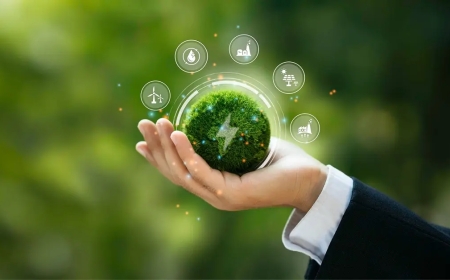
Sustainability is no longer a far-off dream or a fad among the environmentalists; it is now an obligation among governments, business enterprises, and the societies. With the increasing strain on the environment and the growing pressure on natural resources, sustainable projects are beginning to be viewed as viable solutions for the future that offer sustainable balance between growth and environmental protection. These projects are not only for the protection of the planet but also for the future in which economic development and ecological friendliness exist together.
Concepts of Sustainable Projects
Sustainable projects at their most fundamental level are those initiatives aimed at not exhausting the current needs of a given population so that in the future the future generation can fulfil their needs. They are interested in the thriftiness of resource utilisation, fewer environmental effects, and value creation in the long term. Whether it is a renewable energy project, a water conservation programme, or an environmentally friendly infrastructure project, sustainability has been integrated throughout the entire process, including the planning phase, implementation, maintenance, and measurement of its impact.
The difference between sustainable projects and the rest is the holistic approach. They explore and look at the issue of environmental, social, and economic considerations and make sure that solutions to the problem are not only green but also inclusive and cost-effective.
The Importance of Sustainable Projects in the Modern Day
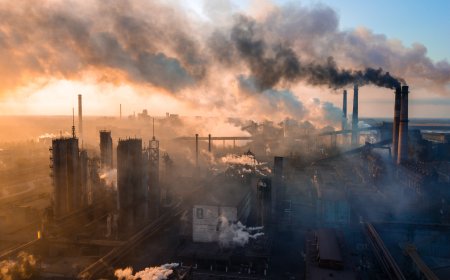
The need to have sustainable projects has never been higher. Global warming, resource depletion, and pollution are no longer abstract ideas, but they have direct implications on life, health, and livelihood. Green projects provide practical solutions to these issues through minimisation of carbon emissions, resource conservation, and advocacy of cleaner alternatives.
Sustainability is becoming associated with resilience and reputation for businesses. Companies that invest in sustainable projects tend to have higher cost savings in the long term, enhanced trust in stakeholders, and enhanced compliance with regulations. To communities, such projects imply improved living conditions, creation of jobs, and availability of vital resources like clean energy and water.
Simply stated, sustainable projects contribute to the shift of the society moving from short-term to long-term solutions.
Important Concentrations of Sustainable Projects
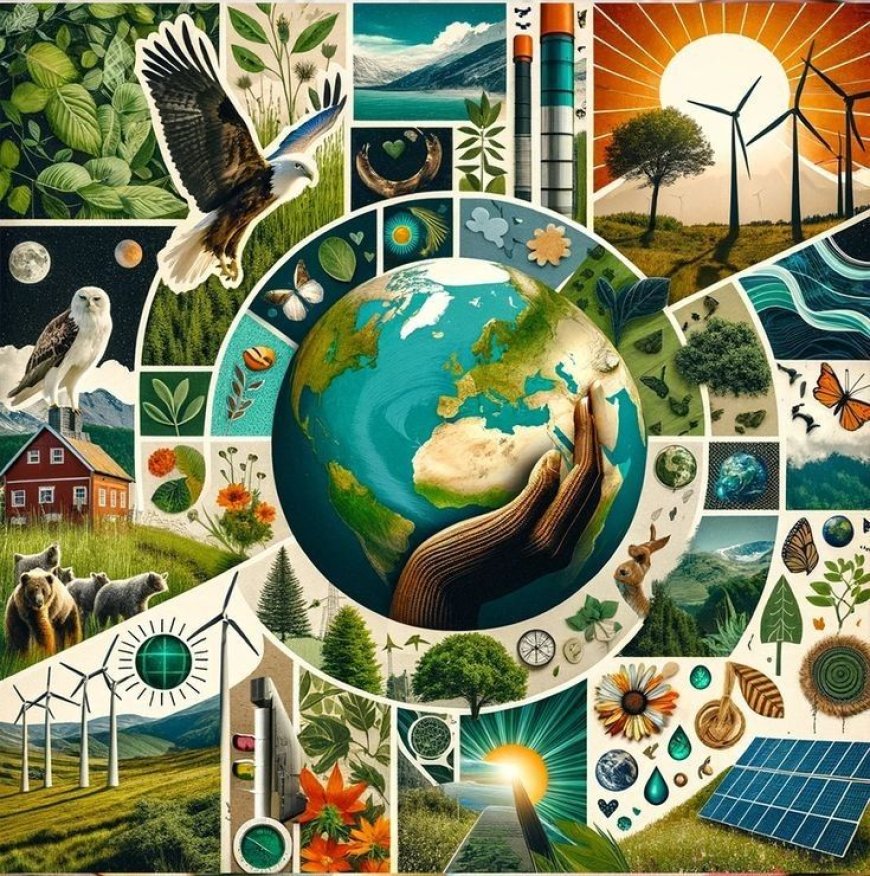
1. Energy Programs: Renewable Energy
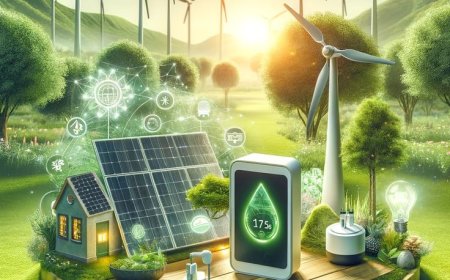
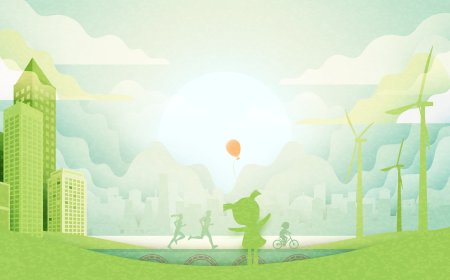
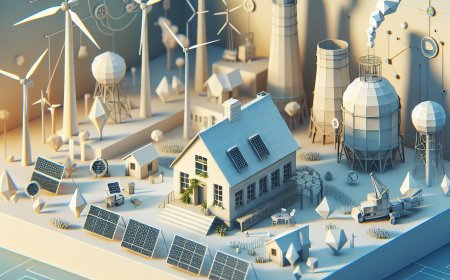
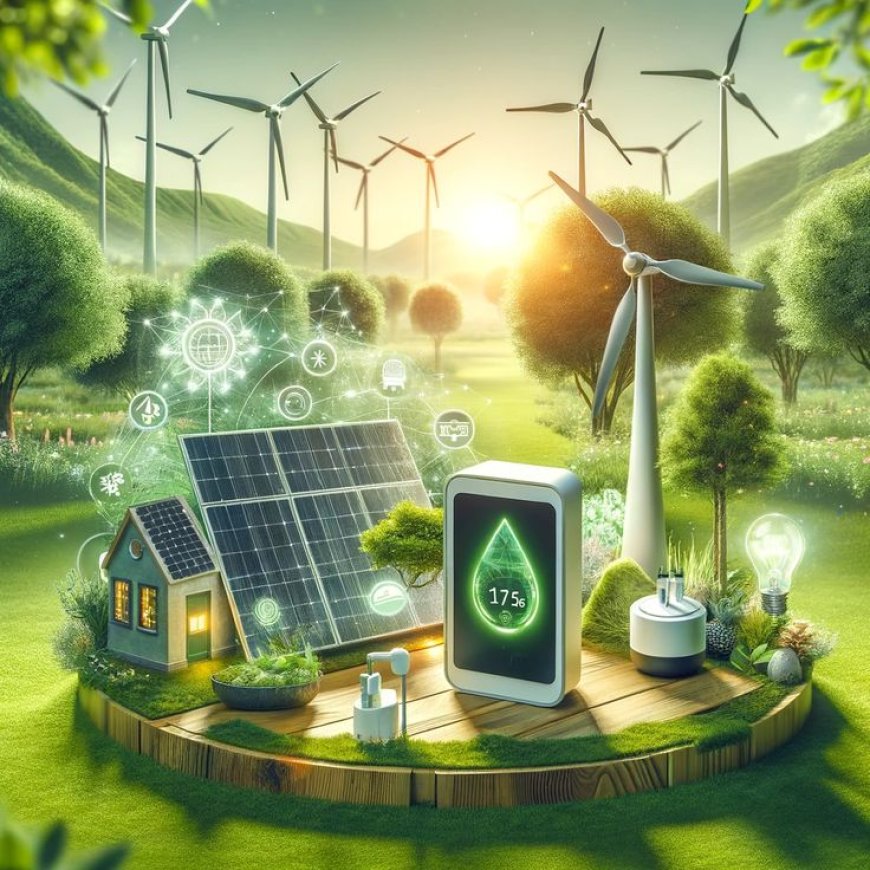
Solar, wind, hydro, and biomass energy are the new projects that are aimed at sustainability. They minimise reliance on fossil fuels, decrease emission of greenhouse gases, and supply clean and dependable energy. Batteries and turbines on rooftops of city dwellings, mega-farm wind turbines, and other renewable energy initiatives are redefining the production and the consumption of energy.
2. Green Construction and Green Infrastructure
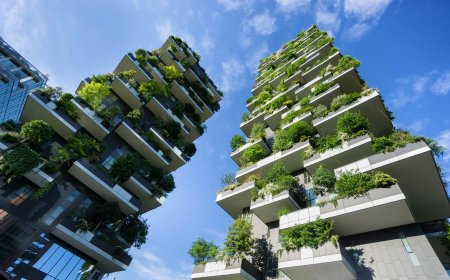
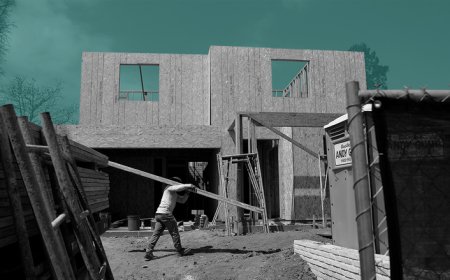
Environmentally friendly projects in production involve sustainable energy consumption, renewable resources, and intelligent architecture. The green buildings are less energy consuming, less wasteful, and they provide healthier indoor environments. Product characteristics like rainwater harvesting, natural lighting, and good insulation are no longer luxurious but rather standard.
3. Projects on Waste Management and Circular Economy
Sustainable waste management is aimed at minimising, reusing, and recycling. The projects to encourage composting, recycling systems, and waste-to-energy solutions contribute to reducing the use of landfills and transforming waste into useful resources. Circular economy efforts take another step further by redesigning products and processes in order to remove any waste all the way to the ground.
4. Water conservation and management
The problem of water scarcity is increasingly becoming a concern around the world. The sustainable water solutions are rainwater harvesting systems, wastewater recycling, and effective irrigation techniques. Such projects safeguard water resources, and they guarantee the availability of a steady supply of water to agriculture, industry, and homes.
5. Sustainability Projects at the Community Level
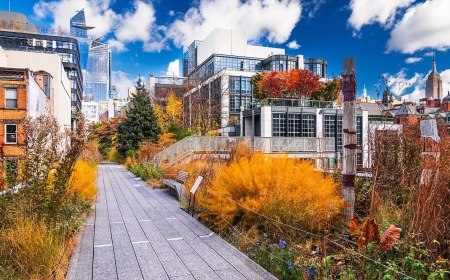
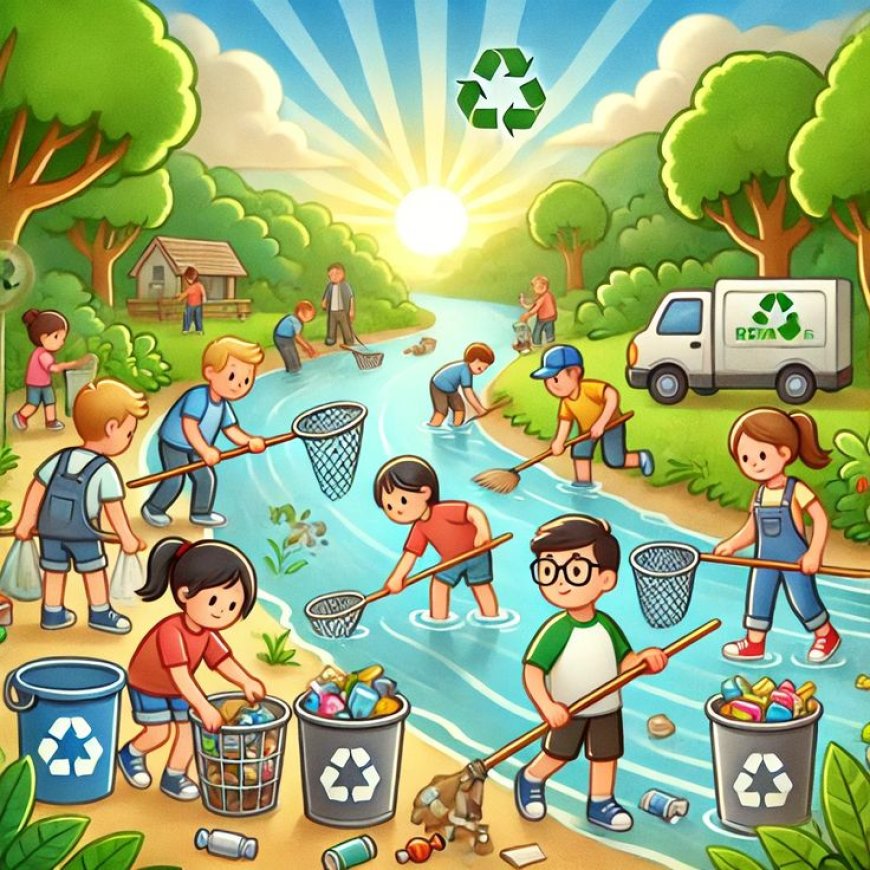
Grassroots programmes are critical towards sustainability. Local initiatives like city gardens, cleanup efforts, and local renewable energy cooperatives allow residents to own the solutions to the environment. Such initiatives create awareness and create a culture of responsibility on the local level.
The Anthropo Face of Sustainability
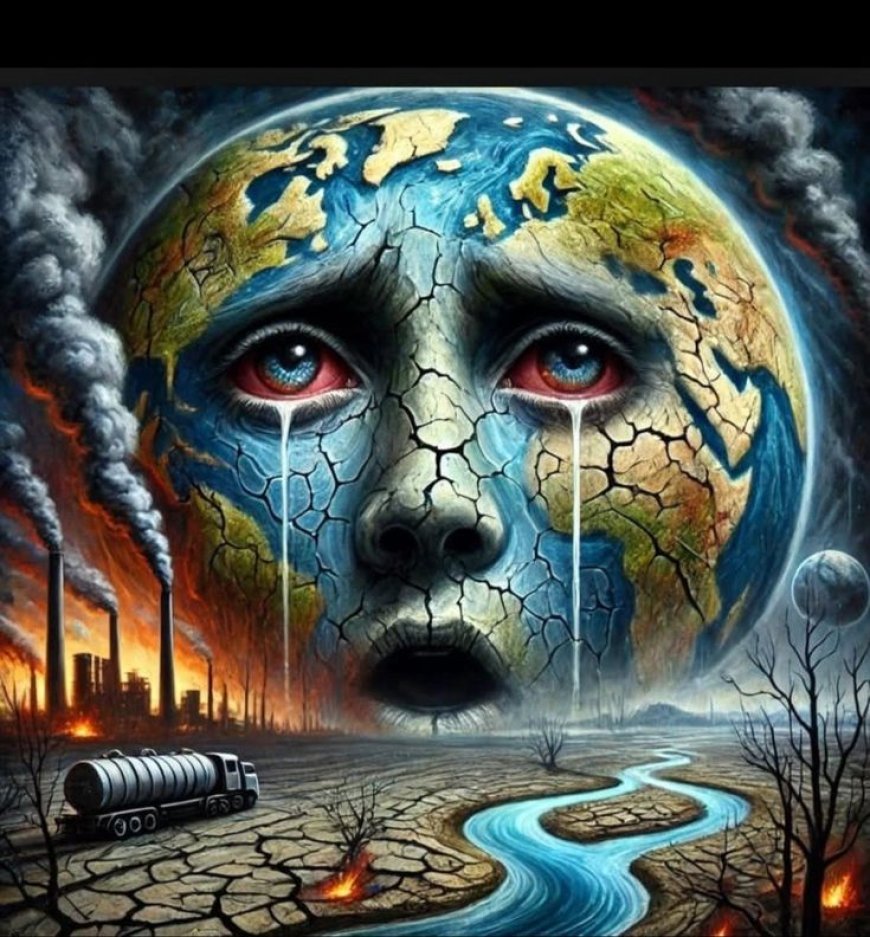
People are important; however, in the end, the success of sustainable projects is also reliant on technology and policy. People are able to support and maintain a project when they know the intention of that project. Human-centred design, which involves projects being created to suit actual needs and behaviours, makes sustainability not disruptive but practical.
As one example, a solar energy project will be more effective when it offers training and jobs to the local communities. A water conservation programme is also boosted when households can get direct benefits of lower bills and dependability of supply. Sustainability can be best achieved when individuals are made to feel like they are included, valued, and heard.
Difficulties and Ways of Overcoming Them
Sustainable projects have a number of disadvantages, including their high cost, unawareness, and change resistance, although they are advantageous. All these obstacles are not impossible, though. The cost is being brought down by the technological development, and expansion is being facilitated by education and policy support.
Collaboration is key. It is important that governments, organisations, and communities collaborate and share the resources, knowledge, and responsibility. Open planning, effective communication, and quantifiable results facilitate developing trust and securing success in the long run.
Facing the Future: A Greener Future by Action
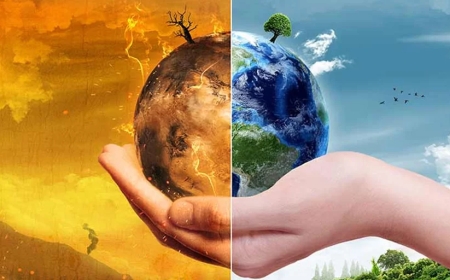
Sustainable projects cannot be a universally applicable solution; they develop as the needs, technologies, and environments change. Their mission will always stay the same: to establish a balanced future in which development will not be completed at the cost of the planet.
Any sustainable project, however small, adds to a greater effect. These efforts, when joined together, create a city that breathes easier, an economy that develops in a responsible manner, and a community that lives in harmony with nature.
The future of a green world will come project after project, decision after decision. It is not only that by going green today we are correcting the errors we have made with the environment; we are also investing in a better and stronger world to come.
What's Your Reaction?
 Like
0
Like
0
 Dislike
0
Dislike
0
 Love
0
Love
0
 Funny
0
Funny
0
 Angry
0
Angry
0
 Sad
0
Sad
0
 Wow
0
Wow
0