


































































































































































The Digital Transformation of Handcrafted Goods
Explore how handcrafted goods are evolving in the digital era, combining traditional artistry with modern technology, shifting consumer preferences, sustainable practices, and global online marketplaces to create new opportunities for artisans worldwide.
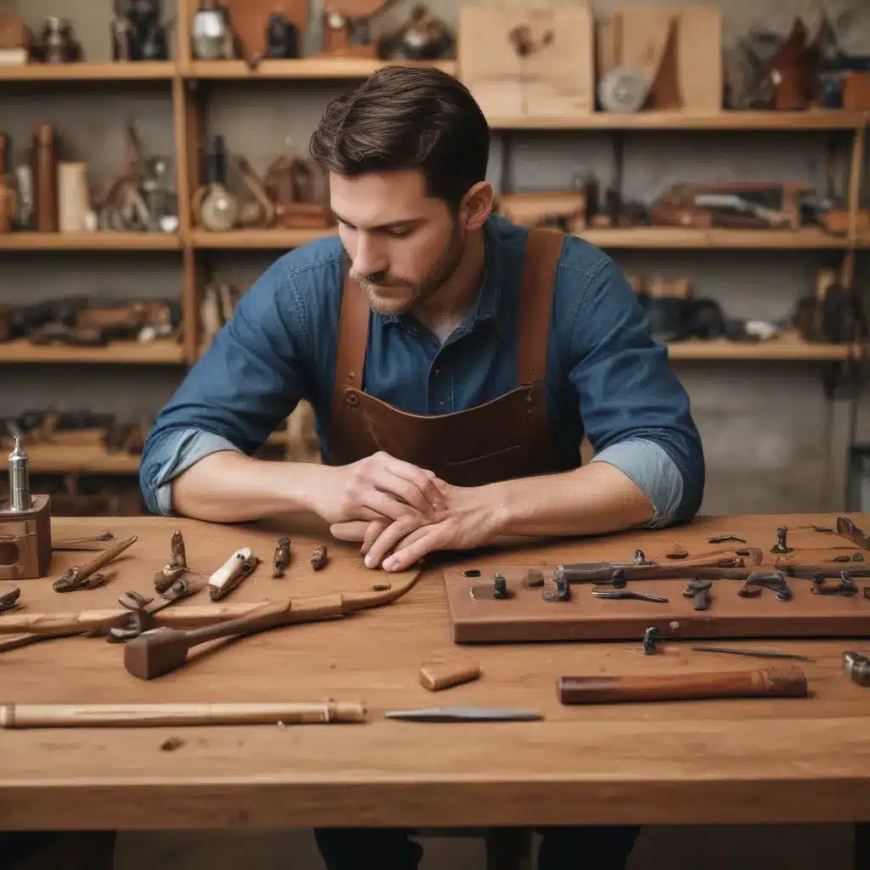
The Digital Age of the Evolution of Handcrafted Goods
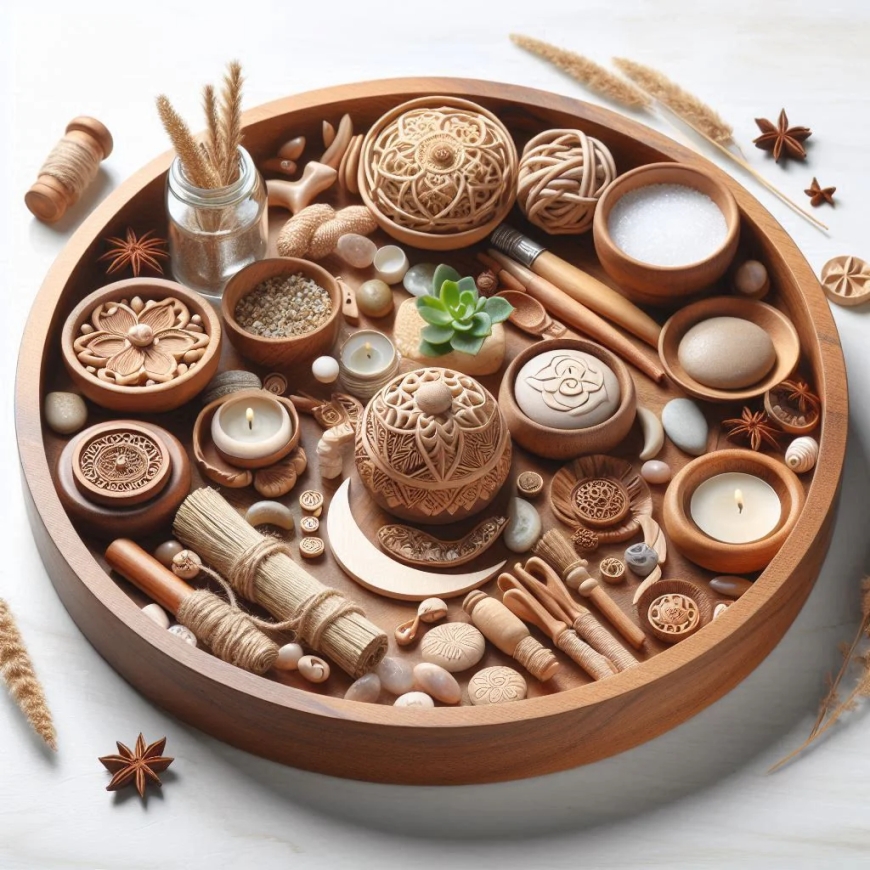
The artisans have traditionally been the reflection of human imagination, national identity, and artistic abilities. Since ancient times, there have been craftsmen all over the world who have been using the traditional methods to make pottery, textiles, jewelry and woodworks among other handmade products that have got the emotional and historical meaning. The digital age has seen a resurgence of artisanship in products that has been unanticipated and resolute at the same time even at the time when the global economies were transitioning to mass production during the Industrial Revolution. Efforts nowadays are joined together by technology and genius, which have transformed the way handmade products are manufactured, sold and enjoyed.
Due to the emergence of the digital age, the crafts brought back by the hands to the market can become visible and meaningful in a way that has never been seen before and has never been imagined a few decades ago. What was formerly found in local communities is now a flourishing world movement. Online platforms have provided artisans reliant on regional fairs, exhibitions or local stores with access to international audiences. Digital market places have the advantage of reaching the world, reduced barriers to entry, and small creators are more likely to develop an independent brand. This change is a new phase whereby craftsmanship is not only being saved, but also recreated to suit a digital first world.
This change has been significantly influenced by the consumer preferences. With the mass-production of goods across all things, consumers are seeking things that are personal, ethical and authentic. Handmade products are associated with uniqueness, and they have the emotional content of having been produced by real hands and not by a machine. The increased awareness towards sustainability has also increased the demand towards handmade products. Several consumers, particularly the millennials and Gen Z, are drawn to greener alternatives like environmentally-friendly and ethically-sourced products, which do not have a high environmental footprint. Crafted objects tend to use natural resources, source locally and work rather slowly, which fits the current sustainability culture perfectly well.
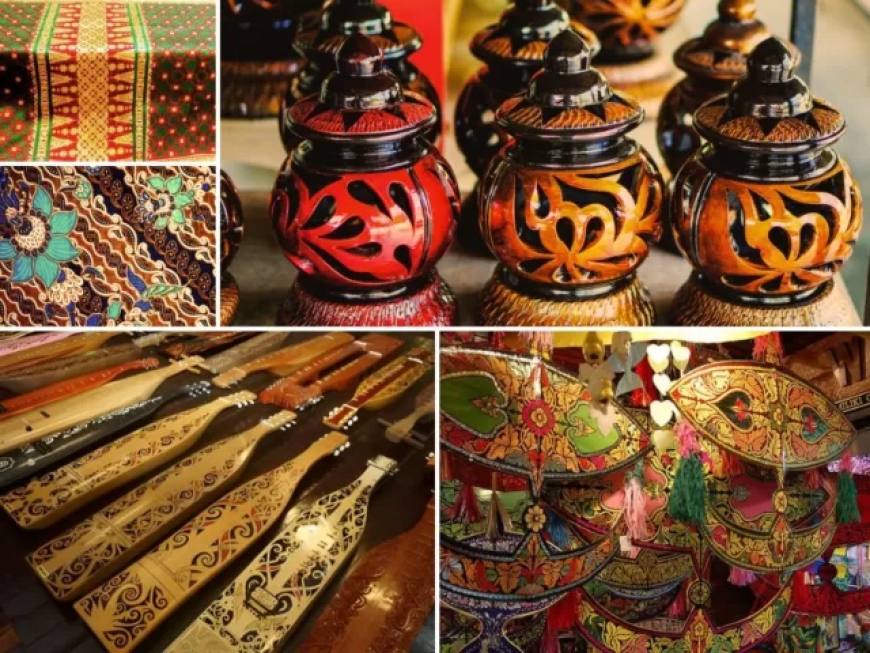
Technology, instead of substituting craftsmanship, has turned out to be the most potent facilitator of it. Artisans are now using digital tools in their artistic work in subtle yet important permeations. The digital design software assists them in trying out shapes, color, and pattern before resorting to the physical mediums, which minimizes waste and maximizes accuracy. Even such sophisticated technologies as laser cutting and 3D printing have come to be used in craft studios. These technologies provide the introduction of new creative levels but do not reduce the value of hand-made work because the most important part of the work is the human touch, and it is not lost. Technology merely adds to what artists can do, and a means of complex designs and new forms that are a merger between old and new.
Outside the production, the digital world has changed the ways in which artisans create their identities and reach their audiences. Instagram, Pinterest, Tik Tok, and YouTube became the main tools of demonstrating craftsmanship. Artists do not only post the finished work, but also show backstage operations, personal narratives, and instruction, which establish emotional attachment between the audience and the artist. These channels are virtual exhibition areas where artists are able to showcase their work to millions without having to hold exhibitions. They also help artisans to create their own brands, interact with communities, and get instant feedbacks about their companies in other parts of the world.
Having e-commerce has transformed the business end of handmade goods. Through online selling, the artisans do not require physical shops, which reduces expenses and increases their reach. Online stores offer reliable payment infrastructure, marketing, and information that can be used by creators to expand. The introduction of social commerce, where people can now shop using Instagram or Facebook, has even simplified the process of making a purchase as casual browsing is now a quick purchase. The digital platforms have enabled many artisans to become full-time entrepreneurs as the digital platforms provide consistency and visibility to the traditional markets, which was not always the case.
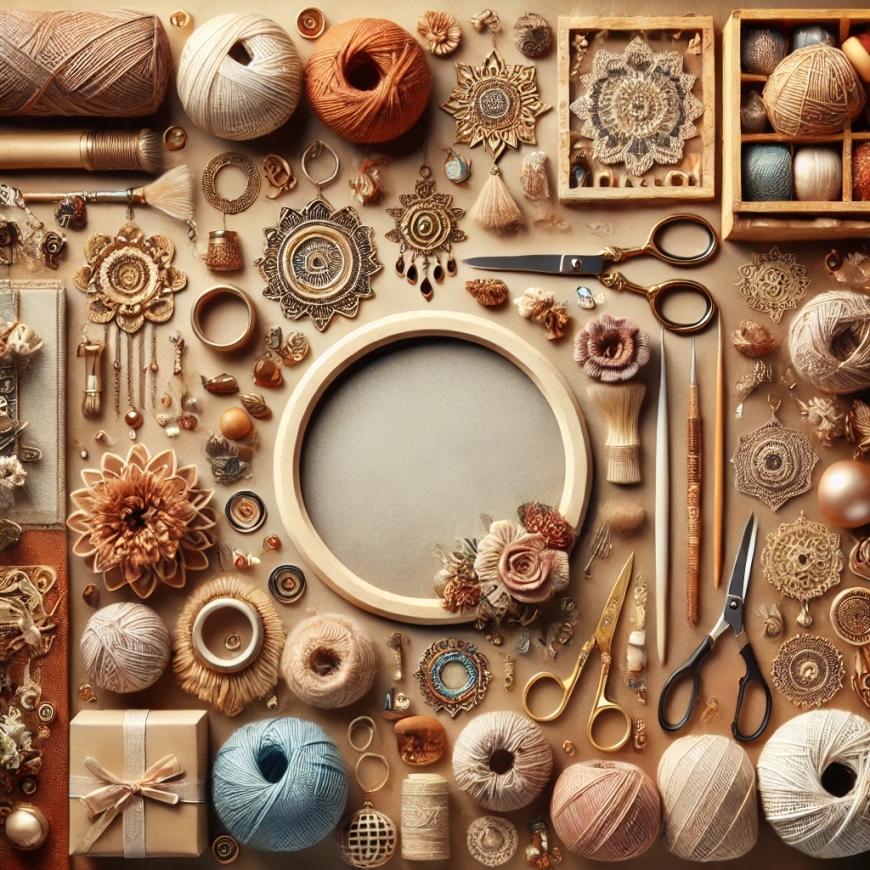
Nevertheless, there are challenges faced by the digital era. With the creation of a congested online marketplace, artisans will have no alternative but to go out of their way to make themselves unique. Good branding, professional photography and interesting stories have become a requirement in order to stand out. The marketing aspect is just as significant as the creative one, and the creators have to juggle between the artistic and content production, packaging, customer service, and logistics. Another challenge is pricing, as there are consumers who do not value handmade products enough, but they offer them in comparison with cheaper and mass-produced products. Customers frequently require artisans to teach them how much time, talent, and effort, goes into every work. The issue of intellectual property are also involved, whereby the designs that are posted online can be copied without authorization. These are some of the challenges that underscore the dynamics of being a contemporary artisan in an online market.
Nevertheless, despite all these challenges, the future of handmade products in the digital age is extremely bright. The increasing need in personalizing has placed handcrafted products as the vanguard of the current consumption. Human beings are becoming more and more demanding in terms of products that depict their character and crafted products are the way to go. Sustainability will also be defining the industry as makers are encouraged to become environmentally responsible. International cooperation is also becoming increasingly popular, with artisans sharing online workshops, online community and online learning. The new technologies like augmented reality and virtual reality will enable customers to have a virtual experience with products soon, trying on jewels or seeing how home decorations would look, or even learn about craftsmanship in 3D.
Technology and tradition can not be in opposition in this changing environment; rather they go hand in hand in some meaningful sense. The digital age also has increased the importance of handcrafted items by providing the craftsmen with the means, medium, and international exposure they have never had. However, on the fundamental level, the principle of handcrafted work is the same. Even today, it is characterized by passion, patience, ingenuity, and the inimitable human-touch. As the world progresses, the handcrafted goods will be increasingly successful in the future, but with the innovation that is contemporary yet based on the art that has endured the test of time.
What's Your Reaction?
 Like
0
Like
0
 Dislike
0
Dislike
0
 Love
0
Love
0
 Funny
0
Funny
0
 Angry
0
Angry
0
 Sad
0
Sad
0
 Wow
1
Wow
1