





































































































































































Top 5 Eco-Tourism Hubs for Sustainable Travel in 2026 Guide!
Explore the world’s top 5 eco-tourism hubs for 2026, featuring sustainable destinations that protect nature, support communities, and inspire responsible travel

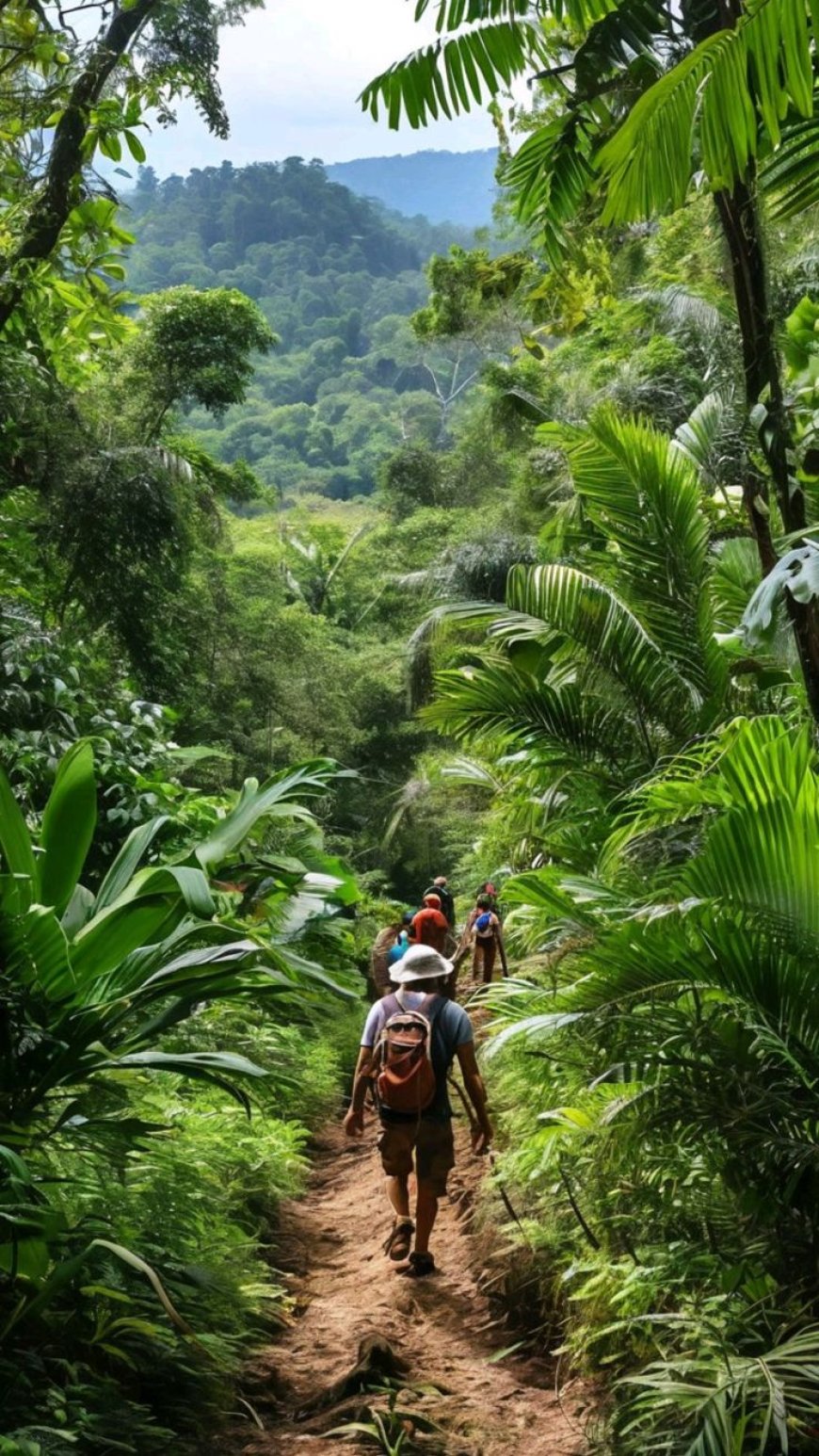
As more people become aware of climate change and the need to care for the environment, eco-tourism is moving from a niche trend to the new normal for thoughtful travellers. Today’s visitors want to explore beautiful places, help local communities, and support conservation.
For the 2026 travel season, these five destinations stand out as world-class sustainable travel hubs, balancing breathtaking scenery with environmentally and socially responsible tourism practices.
1. Costa Rica – The Pioneer of Sustainable Travel

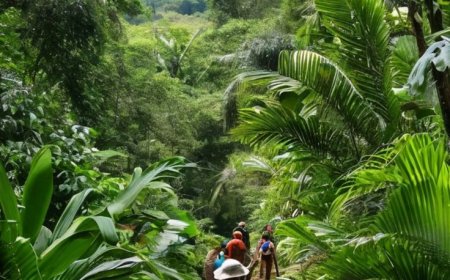
Costa Rica has long been the gold standard for eco-tourism, and in 2026, it continues to lead by example. Nearly 30% of the country is protected land, and it runs on over 98% renewable energy during most of the year.
From lush rainforests to pristine beaches, Costa Rica proves that tourism and conservation can thrive together.
Why it’s a top eco-tourism hub:
- Strong wildlife protection laws and national parks.
- Eco-lodges powered by solar and hydro energy.
- Community-based tourism supporting local livelihoods.
- Strict limits on overdevelopment.
Must-do sustainable experiences:
- Canopy walks in Monteverde Cloud Forest.
- Wildlife spotting in Corcovado National Park.
- Staying at certified eco-lodges in Nosara.
- Volunteering with sea turtle conservation programs.
Costa Rica is perfect for travellers who want adventure without guilt- and nature at its purest.
2. Bhutan – High-Value, Low-Impact Tourism

Bhutan doesn’t measure success by GDP alone- it prioritises Gross National Happiness. The country enforces a controlled tourism policy to avoid overcrowding and protect its cultural and environmental heritage.
In fact, Bhutan is one of the world’s only carbon-negative countries, making it a dream destination for eco-conscious travellers in 2026.
What makes Bhutan sustainable:
- Daily visitor fees fund healthcare, education, and conservation.
- Strict caps on tourist numbers.
- Over 70% forest cover is maintained by law.
- Emphasis on cultural preservation.
Eco-friendly highlights:
- Hiking to the iconic Tiger’s Nest Monastery.
- Staying in locally operated homestays.
- Guided treks that follow “leave no trace” principles.
- Participating in traditional festivals responsibly.
Bhutan offers soulful travel- where every journey benefits both people and planet.
3. Slovenia – Europe’s Green Heart

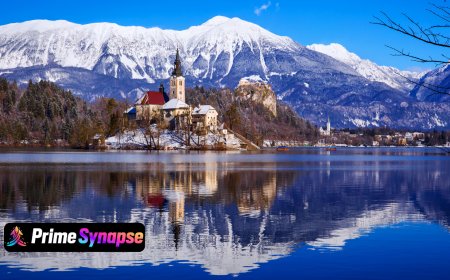
Often overlooked, Slovenia has quietly become one of Europe’s most sustainable destinations. Its capital, Ljubljana, has won multiple awards as a Green Capital, and the country promotes slow, nature-first travel.
Slovenia’s compact size also means lower travel emissions between destinations.
Why Slovenia shines in 2026:
- Extensive green transport and cycling networks.
- Farm-to-table food culture.
- Strong eco-certification programs.
- Protected alpine, forest, and river ecosystems.
Top sustainable experiences:
- Kayaking on the emerald Soča River.
- Exploring Triglav National Park.
- Staying in eco-farms and green hotels.
- Car-free exploration of Ljubljana’s old town.
For travellers seeking peaceful landscapes and responsible luxury, Slovenia is a standout choice.
4. New Zealand – Nature-Led Tourism with Purpose

New Zealand’s tourism strategy centres on guardianship of the land (Kaitiakitanga)- a principle rooted in Māori culture. In 2026, the country continues to invest heavily in conservation, biodiversity protection, and indigenous-led tourism.
Sustainability strengths:
- Government-backed conservation initiatives.
- Strong respect for indigenous knowledge.
- Eco-certified adventure tourism operators.
- Clean energy and waste reduction programs.
Responsible travel ideas:
- Guided Māori cultural experiences.
- Hiking in Fiordland National Park.
- Wildlife conservation tours.
- Eco-cruises with strict environmental standards.
New Zealand is ideal for travellers who want epic landscapes while contributing to long-term preservation.
4. Denmark – A Global Leader in Green Living

Often praised but still underrated as a nature destination, Denmark has emerged as one of Europe’s most progressive and sustainable travel countries. Consistently ranked among the world’s greenest nations, Denmark blends innovation, design, and environmental responsibility. Its capital, Copenhagen, is a global model for urban sustainability, while the countryside embraces slow, nature-led travel.
- Extensive cycling infrastructure and green public transport.
- Strong farm-to-table food culture rooted in local produce.
- National eco-certification programs for hotels and tourism.
- Protected forests, coastlines, wetlands, and marine reserves.
- Cycling through Copenhagen’s car-light neighbourhoods.
- Exploring Mols Bjerge and Wadden Sea National Parks.
- Staying in eco-certified hotels and countryside farm stays.
- Coastal hiking and kayaking along Denmark’s clean shorelines.
Why Eco-Tourism Matters More Than Ever in 2026
Eco-tourism isn’t about giving up comfort- it’s about travelling with intention. These destinations show that sustainability enhances the travel experience rather than limiting it.
Benefits of choosing eco-tourism hubs:
- Preserves natural habitats
- Supports local economies
- Reduces carbon footprint
- Encourages cultural respect
- Creates deeper, more meaningful travel experiences
Final Thoughts
The 2026 travel season is shaping up to be a turning point for responsible tourism. Whether it’s Costa Rica’s rainforests, Bhutan’s mindful travel philosophy, or Rwanda’s conservation success, these eco-tourism hubs remind us that how we travel matters just as much as where we go.
Choosing sustainable destinations isn’t just a trend- it’s a commitment to protecting the world we love to explore.
What's Your Reaction?
 Like
0
Like
0
 Dislike
0
Dislike
0
 Love
0
Love
0
 Funny
0
Funny
0
 Angry
0
Angry
0
 Sad
0
Sad
0
 Wow
0
Wow
0