










































































































































































































Boost Your Lead Form Conversions: Landing Page Optimization Tips
Discover effective landing page optimization strategies to double your lead form conversion rate, engage visitors, and turn more traffic into qualified leads.
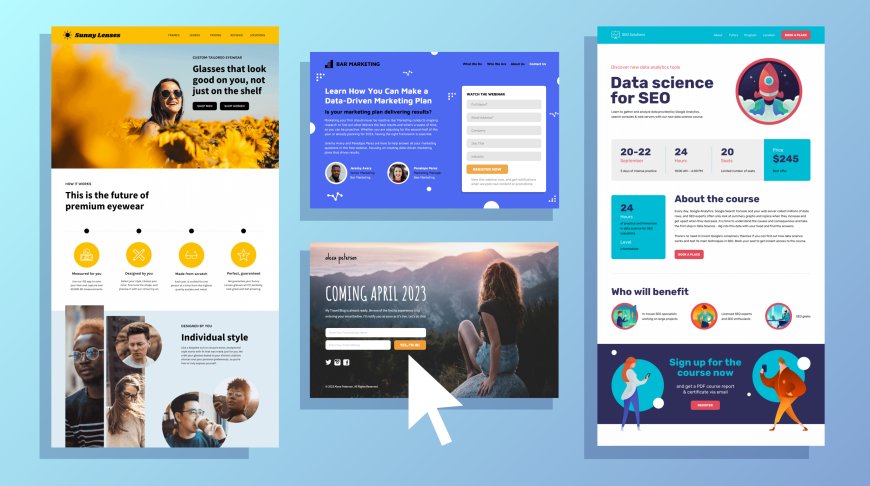
In today’s digital marketing landscape, a landing page is more than just a destination for visitors—it’s a conversion machine. A well-optimized landing page can dramatically increase the number of leads you capture through forms, turning casual visitors into engaged prospects. But optimization isn’t just about tweaking buttons or shortening forms; it’s also about reflecting your Brand Identity consistently to build trust and credibility.
When your landing page communicates clarity, professionalism, and reliability, visitors feel confident sharing their information. In this article, we’ll explore actionable strategies to double your conversion rate on lead forms while reinforcing your brand.
Understand the Role of Your Brand Identity
Before making any changes to your landing page, it’s essential to recognize how your Brand Identity impacts conversions. Your brand is more than your logo or colors—it encompasses your messaging, tone, visuals, and the emotions your business evokes.
A landing page that aligns with your overall brand identity reassures visitors. When fonts, colors, and content tone match what they’ve seen elsewhere, it builds familiarity and trust. Inconsistent or unpolished pages, however, can cause hesitation, reducing conversion rates even if your offer is compelling.
Simplify Your Lead Form
The first step in boosting conversion rates is simplifying your lead form. Many pages fail because they overwhelm users with too many fields or ask for unnecessary information. Every additional field increases friction and lowers the chances of a visitor completing the form.
Focus on collecting only essential information, such as name, email, and a single relevant detail like company or phone number. If additional information is necessary, consider using progressive profiling—asking for more details later in the customer journey.
Craft Clear and Compelling Copy
Visitors scan rather than read, so your landing page copy must be clear and compelling. The headline should communicate the value of your offer instantly. Subheadings and bullet points help break up text and highlight key benefits.
Always connect your messaging to your Brand Identity. If your brand is professional and data-driven, your copy should reflect authority and credibility. If your brand is friendly and approachable, use a conversational tone that feels human and inviting.
Optimize Visuals and Layout
Humans are visual creatures. A clean layout with relevant images or graphics can significantly enhance trust and engagement. Use visuals that reinforce your brand—product images, customer testimonials, or graphics consistent with your brand colors and style.
Make sure your call-to-action (CTA) buttons stand out visually but still align with your Brand Identity. A button should be eye-catching, action-oriented, and clearly convey the benefit of clicking it.
Implement Social Proof
Social proof—such as customer testimonials, reviews, case studies, or client logos—adds credibility and reduces hesitation. People are more likely to submit their information when they see others have benefited from your service or product.
Incorporate social proof elements that match your Brand Identity. For example, a tech brand might highlight data-driven success stories, while a creative brand might showcase portfolio highlights or endorsements.
Ensure Mobile Responsiveness
With more than half of web traffic coming from mobile devices, a landing page must be mobile-friendly. A responsive design ensures that forms, buttons, and visuals work seamlessly on any screen size. Mobile-optimized pages not only improve user experience but also reflect positively on your Brand Identity. Visitors perceive brands that invest in mobile design as professional, modern, and customer-focused.
Use A/B Testing to Refine Your Approach
Landing page optimization is an ongoing process. A/B testing allows you to experiment with different headlines, form lengths, CTAs, and layouts to determine what resonates best with your audience.
Always keep your Brand Identity consistent during testing. Even while experimenting, the tone, style, and visual cues should align with your brand to avoid confusing visitors.
Reduce Distractions and Focus on the Goal
Finally, every element on your landing page should serve the primary goal: converting visitors into leads. Remove unnecessary navigation links, autoplay videos, or cluttered graphics that may distract users from completing the form. A focused, simple page helps guide visitors to the CTA effectively.
Conclusion
Optimizing your landing page for lead forms is both an art and a science. By simplifying forms, crafting clear copy, using compelling visuals, incorporating social proof, and ensuring mobile responsiveness, you can significantly increase your conversion rates.
At the same time, maintaining a strong and consistent Brand Identity throughout the page builds trust, credibility, and recognition. Visitors are more likely to engage and convert when your landing page feels cohesive, professional, and reflective of your brand values.
A well-optimized landing page is more than a tool for capturing leads—it’s an opportunity to strengthen your brand, delight your audience, and grow your business. By applying these strategies consistently, you can double your conversion rates while leaving a lasting, positive impression on every visitor.
What's Your Reaction?
 Like
0
Like
0
 Dislike
0
Dislike
0
 Love
0
Love
0
 Funny
0
Funny
0
 Angry
0
Angry
0
 Sad
0
Sad
0
 Wow
0
Wow
0

saizal_official
I am a author and content writer passionate about transforming ideas into meaningful and engaging content. With a strong focus on clarity, creativity, and value-driven writing, I specialize in crafting well-researched articles and impactful blog content that informs, inspires, and connects with readers. My goal is to help brands and individuals communicate their message effectively through professionally written content that builds trust and drives engagement.