











































































































































































































How Smart Lead Qualification Filters Leads Before Sales Calls
Learn how smart lead qualification uses bot flows to ask the right questions, filter serious prospects, and prepare leads before a human agent steps in today.
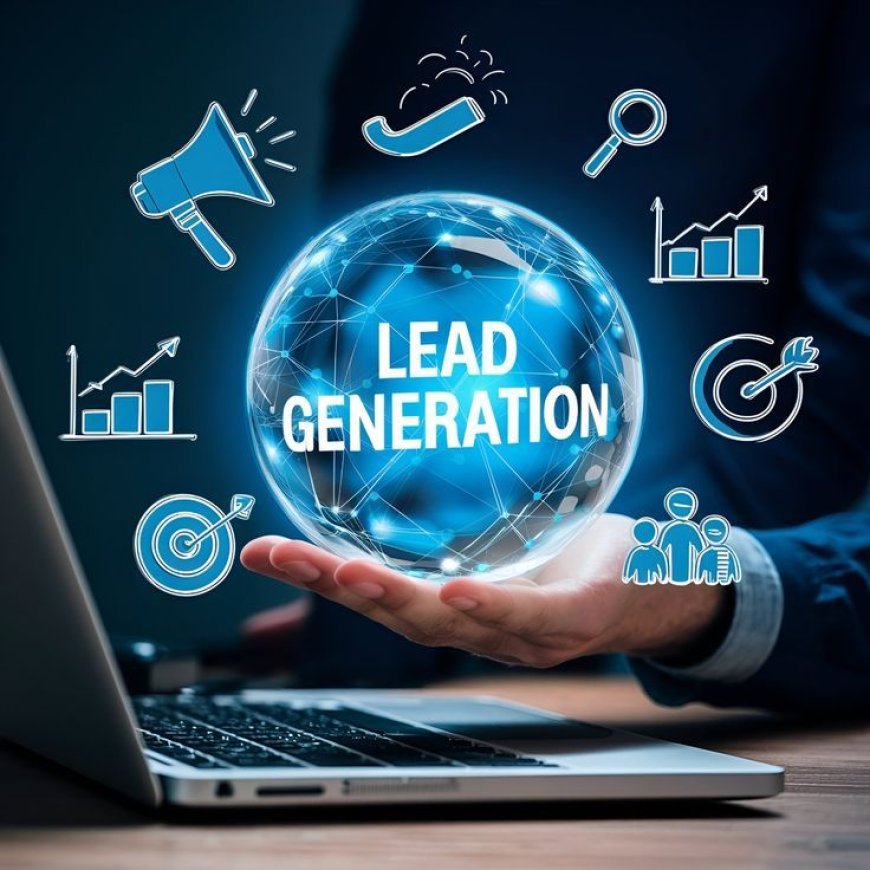
Smart Lead Qualification has become a critical part of modern sales and customer engagement strategies. As businesses receive inquiries from multiple channels, not every lead is ready to speak with a human agent. By utilizing well-designed bot flows, companies can gather the right information early, filter out serious prospects, and ensure that sales teams spend their time only on high-quality opportunities. This approach improves efficiency while creating a smoother experience for potential customers.
Rather than replacing human interaction, smart qualification ensures that when an agent steps in, the conversation is already informed and focused.
Why Smart Lead Qualification Matters in Today’s Sales Process
In many businesses, sales teams lose valuable time handling unqualified or low-intent leads. Smart Lead Qualification helps solve this problem by asking structured questions upfront. These questions identify intent, budget range, urgency, and specific needs before the lead is routed to a human agent.
When bot flows handle early-stage conversations, sales teams can focus on closing deals instead of sorting inquiries. This leads to faster response times, better conversion rates, and more consistent customer experiences across channels.
How Bot Flows Support Smart Lead Qualification
Bot flows are automated conversation paths designed to guide users through a set of relevant questions. In Smart Lead Qualification, these flows are carefully planned to gather meaningful insights without overwhelming the user.
For example, a bot can ask about the type of service needed, company size, or expected timeline. Each answer helps categorize the lead and determine whether immediate human involvement is necessary. This structured approach ensures no critical detail is missed while keeping the interaction simple and engaging.
Designing the Right Questions for Smart Lead Qualification
The effectiveness of Smart Lead Qualification depends largely on the quality of the questions asked. Questions should be clear, purposeful, and aligned with your sales goals. Avoid generic or overly complex queries that may frustrate users.
Start with basic intent-based questions, then move toward qualifying factors such as budget, decision authority, and urgency. A well-designed bot flow feels like a natural conversation, not a form. This balance helps collect accurate data while maintaining user interest.
Reducing Sales Friction with Smart Lead Qualification
One of the biggest advantages of Smart Lead Qualification is reduced friction for both customers and sales teams. Leads are not forced into long conversations with agents before they are ready. At the same time, agents receive detailed context before engaging.
This results in shorter sales cycles and more productive conversations. When agents already know a lead’s needs and expectations, they can provide relevant solutions instead of asking repetitive questions.
Improving Lead Quality Without Losing Volume
Some businesses worry that automated qualification may reduce lead volume. In practice, Smart Lead Qualification improves overall lead quality without limiting reach. Bot flows allow businesses to engage every inquiry instantly, regardless of time or channel.
High-intent leads are routed directly to sales teams, while early-stage prospects can be nurtured through follow-up messages. This ensures no opportunity is ignored, while sales efforts remain focused on the most promising leads.
Aligning Smart Lead Qualification with Sales Teams
For Smart Lead Qualification to be effective, it must align closely with sales team expectations. Sales leaders should define what qualifies as a sales-ready lead and ensure bot questions reflect those criteria.
Regular feedback from agents helps refine bot flows over time. When sales and automation work together, lead handoffs become smoother, and trust in the qualification process increases across teams.
Measuring the Success of Smart Lead Qualification
Tracking performance is essential to improve Smart Lead Qualification strategies. Key metrics include lead-to-conversion rate, average response time, and agent engagement efficiency.
Analyzing where leads drop off in bot flows can reveal opportunities to improve question design or sequencing. Over time, these insights help fine-tune the qualification process and improve overall sales outcomes.
The Future of Smart Lead Qualification
As customer expectations continue to rise, Smart Lead Qualification will play an even larger role in sales operations. Businesses that invest in thoughtful bot design and clear qualification criteria will gain a competitive edge.
By allowing bots to handle early-stage conversations, companies ensure human agents step in at the right moment, with the right context, and for the right leads.
Conclusion
Smart Lead Qualification is not about removing the human element from sales. It is about using automation to prepare better conversations and protect valuable sales time. With well-structured bot flows and clear goals, businesses can improve lead quality, shorten sales cycles, and deliver more meaningful customer interactions.
When done correctly, smart qualification benefits everyone involved—from prospects to agents to business leaders.
What's Your Reaction?
 Like
0
Like
0
 Dislike
0
Dislike
0
 Love
0
Love
0
 Funny
0
Funny
0
 Angry
0
Angry
0
 Sad
0
Sad
0
 Wow
0
Wow
0

saizal_official
I am a author and content writer passionate about transforming ideas into meaningful and engaging content. With a strong focus on clarity, creativity, and value-driven writing, I specialize in crafting well-researched articles and impactful blog content that informs, inspires, and connects with readers. My goal is to help brands and individuals communicate their message effectively through professionally written content that builds trust and drives engagement.