







































































































































































Email, WhatsApp, and SMS: One Platform, Endless Reach
Discover how a unified platform for Email, WhatsApp, and SMS helps businesses reach wider audiences, simplify communication, and boost engagement across channels.
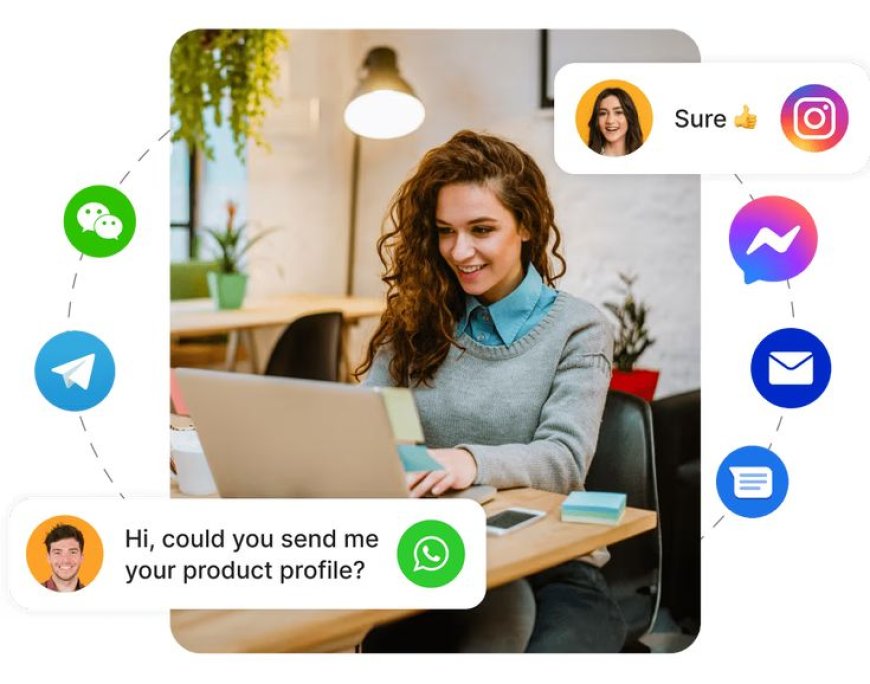
 In today’s fast-paced digital world, businesses must communicate with customers quickly, consistently, and across multiple channels. Customers no longer rely on just one medium to interact with brands. Some prefer emails for detailed updates, others rely on WhatsApp for instant conversations, while SMS remains unmatched for urgent notifications. Managing these channels separately can be inefficient and lead to fragmentation. This is where a unified platform for Email, WhatsApp, and SMS transforms business communication by offering one solution with endless reach.
The Need for Omnichannel Communication

Why Email Still Matters
 Email remains a cornerstone of professional communication. It is ideal for sharing detailed information such as newsletters, invoices, reports, and onboarding materials. With advanced personalization and automation, businesses can send targeted campaigns that resonate with specific audiences. Email also provides strong analytics, including open rates, click-through rates, and conversions, helping marketers refine their strategies. When integrated into a unified platform, email becomes even more powerful, aligning long-form communication with real-time channels like WhatsApp and SMS.
WhatsApp: Real-Time Engagement at Scale
SMS: Reliable and Instant Communication
 Despite the rise of newer platforms, SMS remains one of the most reliable and widely used communication tools. It boasts exceptionally high open rates and is effective even without internet access. Businesses commonly use SMS for OTPs, delivery alerts, payment reminders, and urgent notifications. When combined with email and WhatsApp, SMS acts as a powerful reinforcement channel, ensuring critical messages are seen and acted upon promptly.
One Platform, Greater Efficiency
 Managing multiple communication channels separately often leads to higher costs, duplicated efforts, and inconsistent messaging. A unified platform streamlines operations by centralizing all interactions into one dashboard. Teams can view conversations, automate campaigns, schedule messages, and track performance from a single system. This reduces manual work, improves collaboration, and allows businesses to respond faster and more effectively.
Personalization and Automation
 One of the biggest advantages of a unified communication platform is advanced personalization. Businesses can tailor messages based on customer behavior, preferences, and history across all channels. Automated workflows allow brands to send welcome messages, follow-ups, reminders, and promotional campaigns without constant manual effort. This not only saves time but also ensures customers receive relevant messages at the right moment.
Data-Driven Insights and Analytics
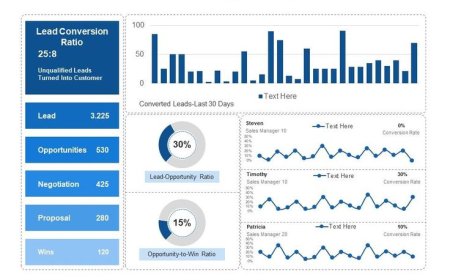
 Unified platforms provide comprehensive analytics across Email, WhatsApp, and SMS. Businesses can track delivery rates, open rates, response times, and engagement levels from one place. These insights help marketers understand which channels perform best, optimize messaging strategies, and improve overall campaign effectiveness. Data-driven decisions lead to better customer experiences and higher returns on investment.
Building Trust and Long-Term Relationships
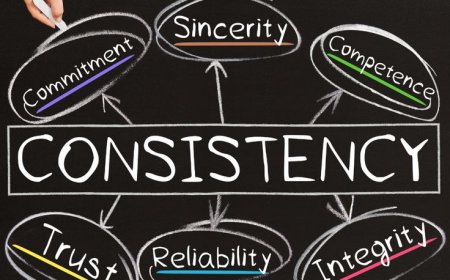
 Consistent, timely, and relevant communication builds trust. When customers receive accurate information on their preferred channel, they feel valued and understood. A unified approach ensures brands maintain a professional and reliable presence across all touchpoints. Over time, this consistency strengthens customer relationships, boosts loyalty, and enhances brand reputation.
Conclusion
What's Your Reaction?
 Like
0
Like
0
 Dislike
0
Dislike
0
 Love
0
Love
0
 Funny
0
Funny
0
 Angry
0
Angry
0
 Sad
0
Sad
0
 Wow
0
Wow
0