







































































































































































The Future of India’s Digital Public Infrastructure
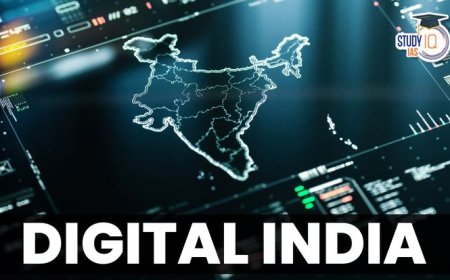
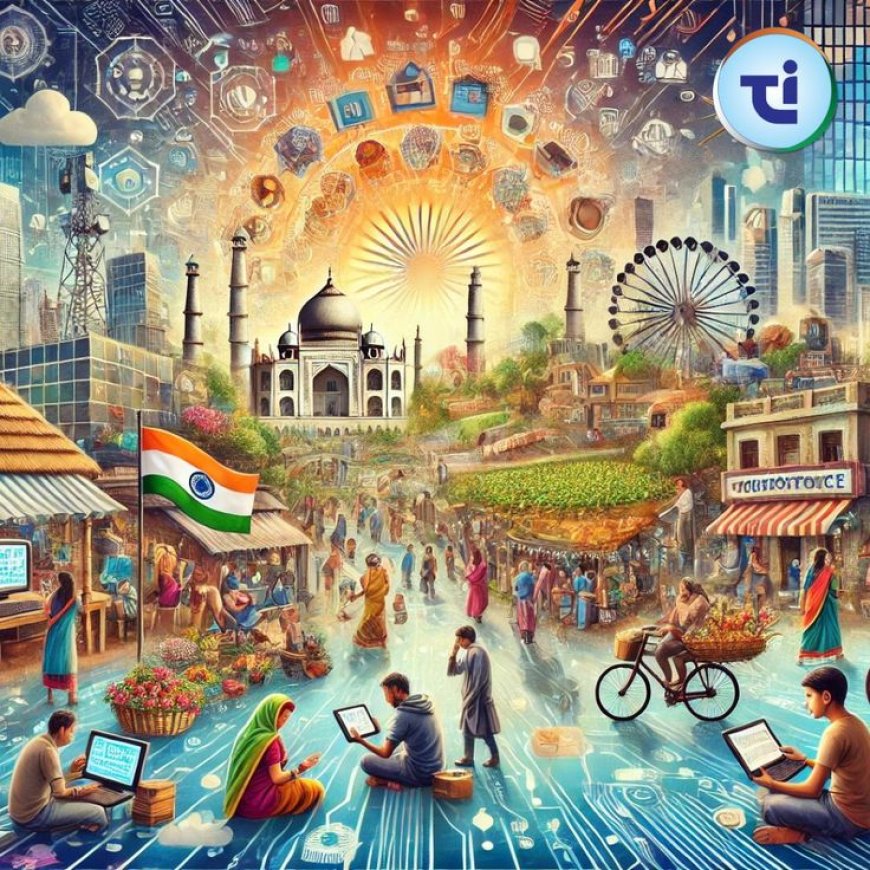
The Future of India’s Digital Public Infrastructure explores how India’s foundational digital systems—such as Aadhaar, UPI, DigiLocker, ONDC, and the Account Aggregator framework—are reshaping governance, commerce, and citizen services at an unprecedented scale. This topic examines how India’s Digital Public Infrastructure (DPI) has moved beyond convenience to become a powerful engine for financial inclusion, transparent governance, and economic innovation. From enabling instant digital payments and paperless documentation to creating open networks for commerce and data sharing, India’s DPI is setting a global benchmark for how technology can serve public good.
The Future of India’s Digital Public Infrastructure
Introduction
Digital Public Infrastructure (DPI) refers to foundational digital systems that are open and enable seamless interactions among governments, businesses, and citizens in a secure, inclusive, and scalable manner. In India, DPI is already central to significant socio-economic changes, and its future holds the promise of even greater transformation.
1. DPI Today: A Foundation for Inclusion and Growth

India's DPI ecosystem, commonly known as India Stack, consists of several key elements:
Aadhaar: A biometric digital identity platform with over 1.3 billion registrations.
UPI (Unified Payments Interface): A real-time digital payments network that processes tens of billions of transactions each month.

DigiLocker: A digital repository for official documents and certificates.
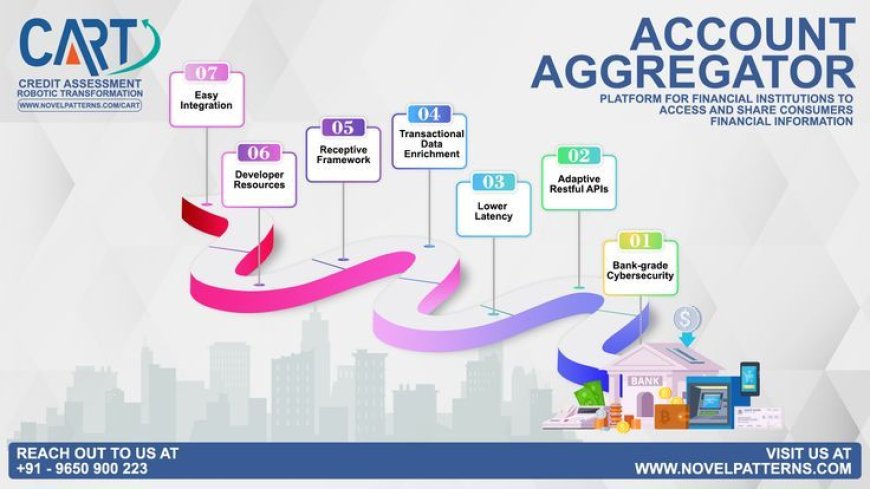
 Account Aggregator Framework: Facilitates secure and consent-based sharing of financial data among institutions.
Open Network for Digital Commerce (ONDC): An open e-commerce network that provides extensive access for both sellers and buyers.
These components have fundamentally transformed the way citizens engage with services, enhanced financial inclusion, and improved the efficiency of government program delivery. In just a decade, DPI has enabled India to accomplish what might have taken fifty years using traditional public service models.
 2. Economic Potential: Toward an $8 Trillion EconomyExperts predict that Digital Public Infrastructure (DPI) will increasingly drive India's economic growth. A report from Nasscom and Arthur D Little indicates that by 2030, DPI's contribution could rise substantially as its adoption expands, aiding India in meeting or even exceeding its economic goals. With the growing reach of digital technology, DPI could enhance GDP by 2.9% to 4.2% by 2030, promoting both efficiency and inclusion.
This anticipated economic role is not confined to formal services; it also encompasses fintech, healthcare, logistics, and commerce—essentially fostering the growth of new digital sectors.
 3. Expanding Services and Capabilities
a) Financial Inclusion and Innovation
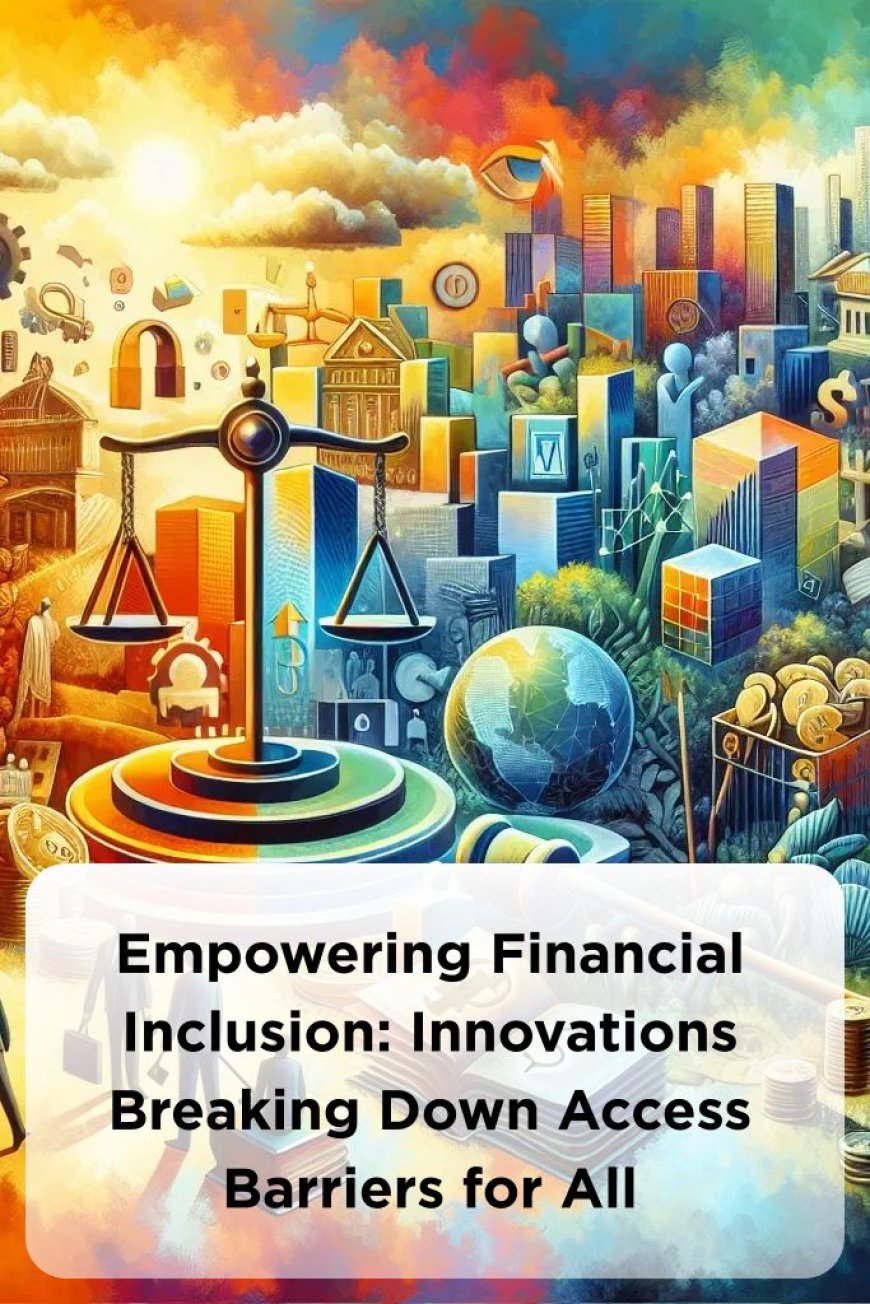
As the Digital Public Infrastructure (DPI) advances, financial inclusion will become more pronounced:The Unified Payments Interface (UPI) is evolving with UPI Lite for offline transactions and credit card integration, making digital payments accessible even without a stable internet connection.
The Account Aggregator System is bringing millions of users on board, simplifying access to tailored financial products and credit options.
 b) Open Digital Commerce
The Open Network for Digital Commerce (ONDC) has welcomed hundreds of thousands of merchants, leveling the playing field in digital commerce and creating new opportunities for small vendors across India.
 c) Health and Social Services
Initiatives such as the Ayushman Bharat Digital Mission (ABDM) are broadening the scope of DPI into health services, facilitating digital health records, telemedicine, and data-informed public health strategies.
 d) Connectivity and Edge Platforms
 4. . Global Leadership and Export of DPI Models
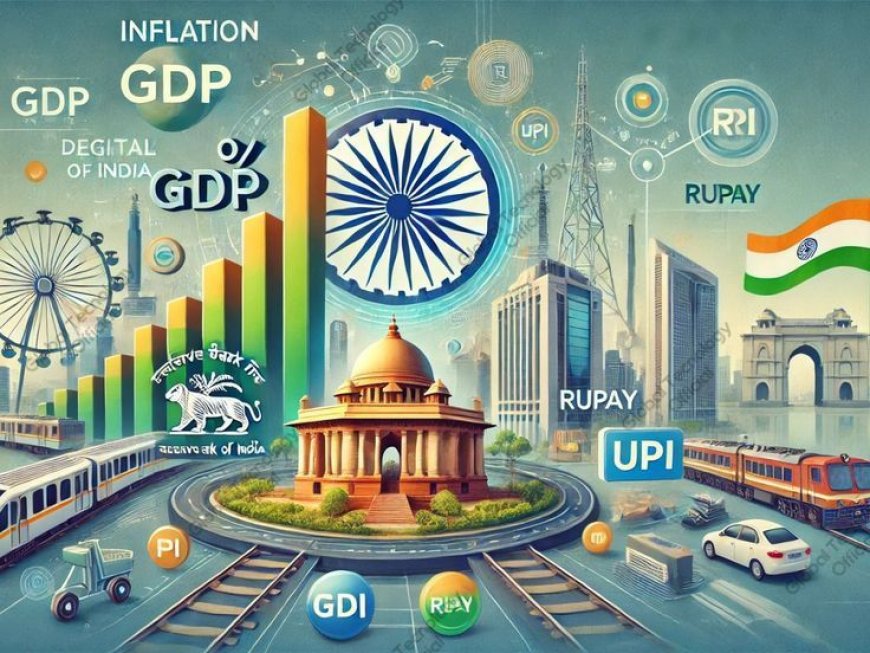
India's Digital Public Infrastructure (DPI) model is gaining recognition worldwide. During its G20 Presidency, India played a key role in establishing frameworks for global collaboration on digital infrastructure, with G20 nations committing to inclusive, secure, and interoperable digital systems. India is regarded as a leader in innovation within the realm of digital infrastructure.
Industry leaders such as Nandan Nilekani have emphasized plans to expand India's DPI model to approximately 50 countries in the upcoming years, showcasing the potential for global scalability and influence of India's approach.
 5. Challenges Ahead
While the future looks promising, there are several challenges to consider:
Cybersecurity: As DPI expands, ensuring data protection and safeguarding vital infrastructure from cyberattacks is crucial. Experts stress the importance of integrating security measures into every aspect of DPI.
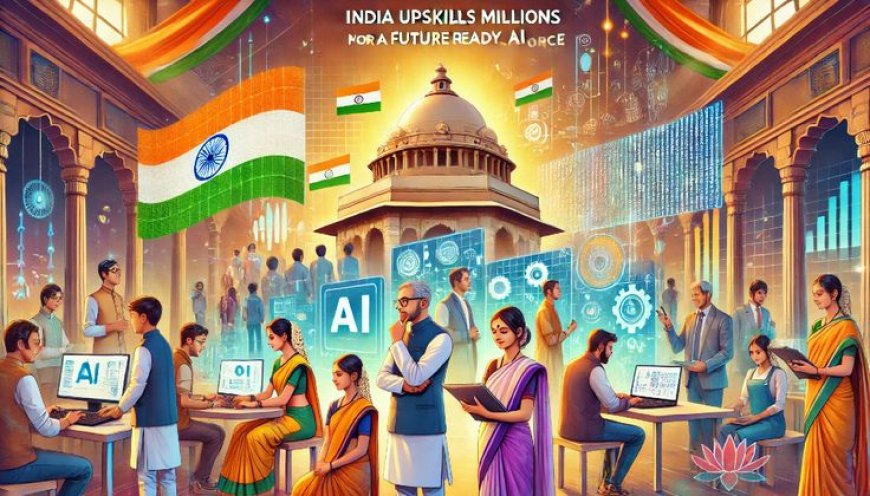
Digital Divide: It is essential to tackle disparities in access to devices, connectivity, and digital literacy to promote inclusive adoption.
Interoperability and Standardization: Effective data exchange and standardized protocols across systems—while respecting privacy and consent—will be key to the ongoing effectiveness of DPI.
Privacy and Trust: Robust legal frameworks and transparent governance will be necessary for maintaining public confidence.

6.The Vision Ahead
India's digital public infrastructure is set to evolve beyond simply digitizing services; it aims to transform how citizens engage with the government and the economy. Anticipated developments include:
Intelligent systems in healthcare, education, agriculture, and energy management.
Enhanced resilience during crises, where digital tools facilitate quick social support and resource distribution.
Increased global influence, with India's open architecture serving as an inspiration for digital public infrastructure frameworks around the world.
 Conclusion
With careful innovation, strong governance, and accessible resources for all, the future of India's DPI emerges as one of the most inspiring narratives in 21st-century nation-building.
What's Your Reaction?
 Like
0
Like
0
 Dislike
0
Dislike
0
 Love
0
Love
0
 Funny
0
Funny
0
 Angry
0
Angry
0
 Sad
0
Sad
0
 Wow
0
Wow
0