





















































































































































































The Human Factor in Cybersecurity Breaches
The Human Factor in Cybersecurity Breaches refers to the role human behavior plays in causing, enabling, or failing to prevent security incidents—often unintentionally. Despite advanced security technologies, people remain the most vulnerable link in the cybersecurity chain. Human-related issues such as weak passwords, phishing attacks, social engineering, misconfigured systems, lack of awareness, and insider threats are responsible for a large percentage of data breaches worldwide. Cybercriminals increasingly target individuals rather than systems, exploiting trust, curiosity, urgency, and fear to gain unauthorized access. Common examples include employees clicking malicious links, sharing credentials, using unsecured devices or public Wi-Fi, falling for fake emails or messages, and ignoring security policies. Even well-trained professionals can make mistakes under pressure or due to fatigue. Addressing the human factor requires more than technical controls. Organizations must focus on continuous cybersecurity awareness training, strong security culture, clear policies, regular simulations (like phishing tests), and accountability. Encouraging employees to report suspicious activity without fear is also critical. In essence, cybersecurity is not just a technological challenge—it is a human one. Strengthening human awareness and behavior is essential to reducing breaches and building resilient digital defenses.

The Human Factor in Cybersecurity Breaches
Cybersecurity breaches are on the increase in the times of advanced firewalls, artificial intelligence and automated threat detection. Amazingly, many of these accidents are not caused by the failure of the technology but by people. Human factor is among the most crucial and the most vulnerable aspect of cybersecurity that attackers frequently use as the least taxing obstacle to hacking into secure systems.

Understanding the Human Factor in Cybersecurity
The human factor means human errors, carelessness, or deliberate behavior by the people that has an adverse effect on security. Digital systems are used by employees, contractors, executives and even by ordinary employees on a daily basis hence being common objects of attack by cybercriminals. It is easy to ensure and upgrade technology, but the human nature is unpredictable and more difficult to control.
Manipulation of people is becoming the most popular way of attackers since it takes fewer efforts and it has high success rates.

Common Human Errors Leading to Breaches
Phishing is one of the most popular reasons why cybersecurity breaches occur. The employees might unintentionally use infected attachments, malicious links, or forward credentials. Such attacks also tend to masquerade as genuine mail, messages, or notifications, and take advantage of credibility and curiosity.
Other common problems associated with humans are:
Weak or reused passwords
Sharing login credentials
Poor cloud or system configuration.
Working with unsecured personal devices.
Disregarding warning signs and security patches.
Just one slip can put the whole organization under ransomware, data theft or shutdown of the system.

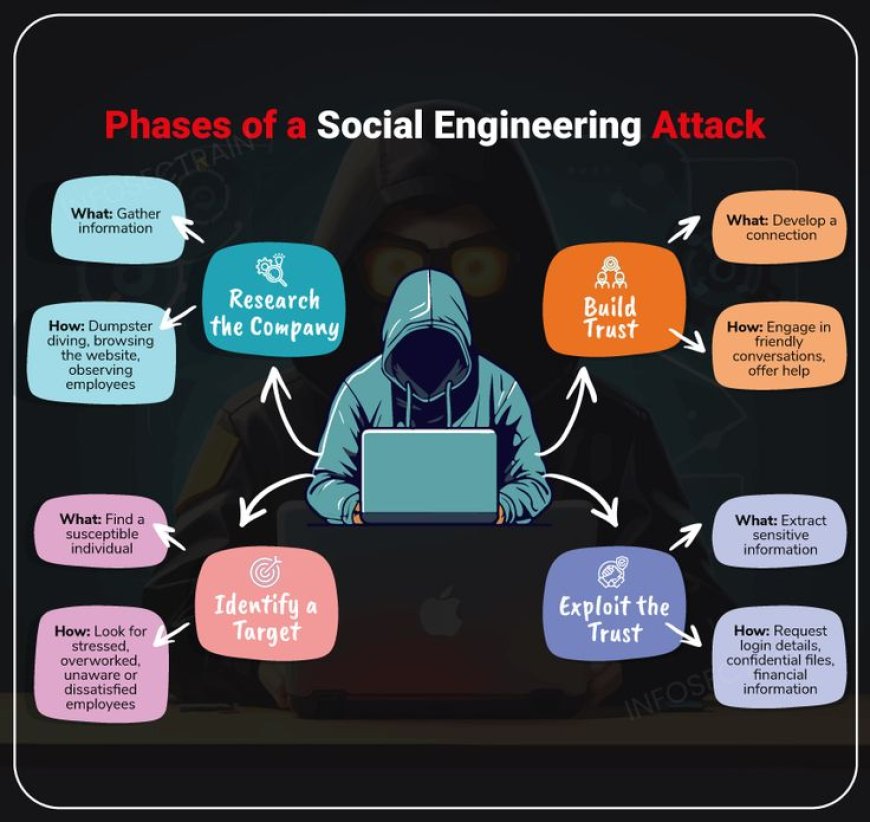
Social Engineering: Exploiting Human Psychology
The aim of social engineering attacks is to exploit emotions and not the software loopholes. Fear, curiosity, authority, or urgency are only a few strategies that cybercriminals use to deceive other people into making unsafe decisions.
As an example, a mail purporting to be of the senior management can force an employee to move data or money urgently. Social engineering is one of the most effective cyberattacks because they are personal and convincing and even trained individuals may become victims of such attacks.
Insider Threats: Intentional and Unintentional Risks
External attackers are not the only ones who commit cybersecurity breaches. Occupational threats may be caused by employees or individuals with whom they have a close relationship. They may be deliberate, like stealing the data with the view to personal gain, or unintentional like the accidental disclosure of the data.
Unsatisfied workers, absence of control over access or too many system privileges may increase the risk of insiders. Unless monitored and access controlled, insiders can gain access to sensitive information that is not required.

Why Technology Alone Is Not Enough
Many organizations invest heavily in cybersecurity tools but neglect human-centered security strategies. Firewalls, antivirus software, and AI-based detection systems are essential, but they cannot prevent an employee from clicking a malicious link or sharing sensitive information.
Cybersecurity must be viewed as a shared responsibility, where people, processes, and technology work together.

Reducing Human Risk Through Awareness and Culture
To solve the human factor, organizations have to look into:
1.Periodic cybersecurity education.
2.Simulation and real world conditions of phishing.
3.Effective security policies and guidelines.
4.Promoting a reporting culture.
5.Restricting access by using the principle of least privilege.
Employees will act as a formidable defense rather than a weak point when they know how to protect themselves and take responsibility in making sure the security.

Conclusion
Most breaches within cybersecurity are associated with the human factor. Attackers will always take advantage of human behaviors and not systems as cyber threats continue to become advanced. Companies that focus on education, awareness culture and the culture of security and technology will be much more prepared to avoid breaches.
Finally, cybersecurity is not only a technical issue but also a human issue, and the first step to improve it is to provide individuals with the opportunity to make safer digital choices.
What's Your Reaction?
 Like
0
Like
0
 Dislike
0
Dislike
0
 Love
0
Love
0
 Funny
0
Funny
0
 Angry
0
Angry
0
 Sad
0
Sad
0
 Wow
0
Wow
0