Artificial Intelligence: Transforming the Future of Technology
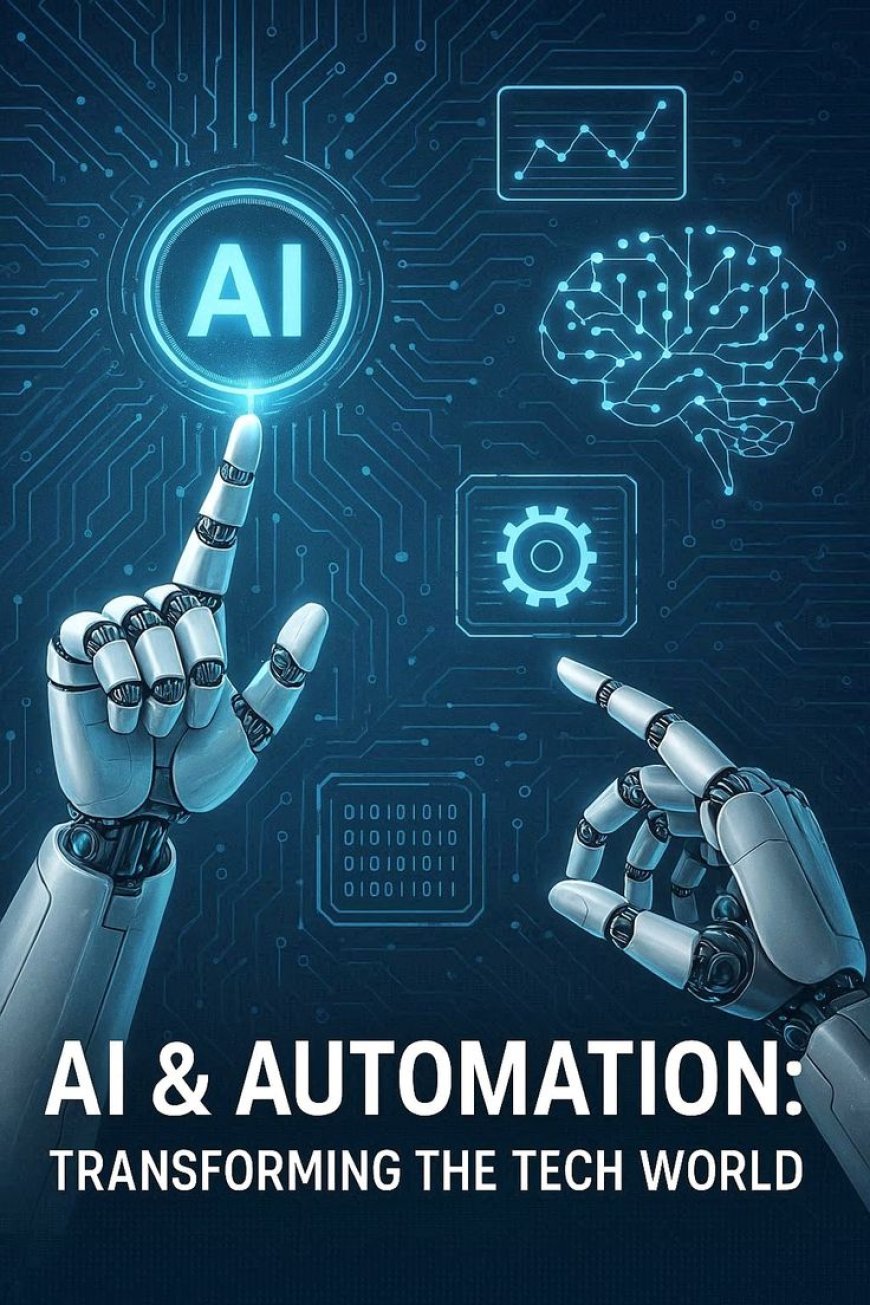
Artificial Intelligence: Transforming the Future of Technology explores how intelligent machines are reshaping the way we live, work, and innovate. The topic focuses on AI’s ability to simulate human intelligence through learning, reasoning, and decision-making, powered by data, algorithms, and advanced computing. It highlights the growing impact of AI across key sectors such as healthcare, education, business, transportation, and communication. From predictive analytics and automation to personalized services and smart systems, AI is driving efficiency, accuracy, and innovation at an unprecedented scale. The topic also addresses the challenges and ethical considerations surrounding AI, including data privacy, bias, and workforce transformation. Overall, it emphasizes how responsible and thoughtful adoption of Artificial Intelligence is crucial to building a smarter, more sustainable, and technology-driven future.
Artificial Intelligence: Transforming the Future of Technology
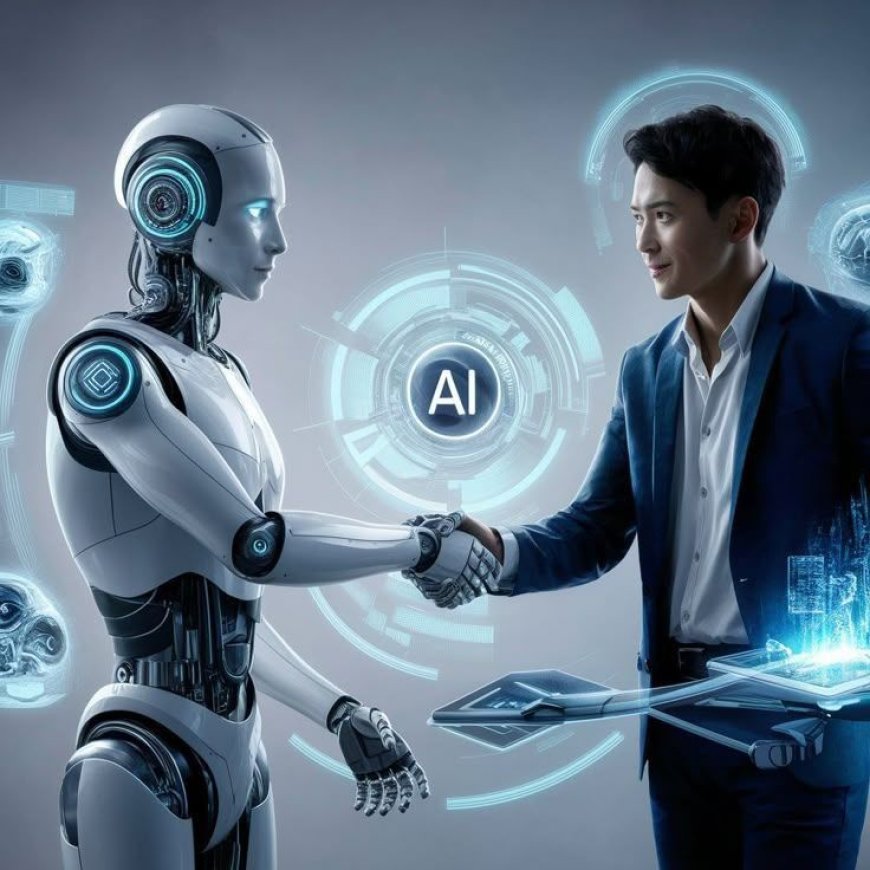 One of the most innovative technologies of the contemporary era is artificial intelligence (AI). It describes the capacity of machines and computer systems to carry out tasks like learning, reasoning, problem-solving, language comprehension, and decision-making that typically call for human intelligence. AI is drastically altering how we work, live, and engage with the world.
Understanding Artificial Intelligence
 AI is fundamentally based on data, algorithms, and processing power. Large-scale data analysis enables AI systems to identify trends, forecast outcomes, and gradually enhance their performance. Instead of being explicitly programmed for every task, computers can learn from experience thanks to technologies like machine learning, deep learning, and natural language processing.
Applications of AI in Everyday Life
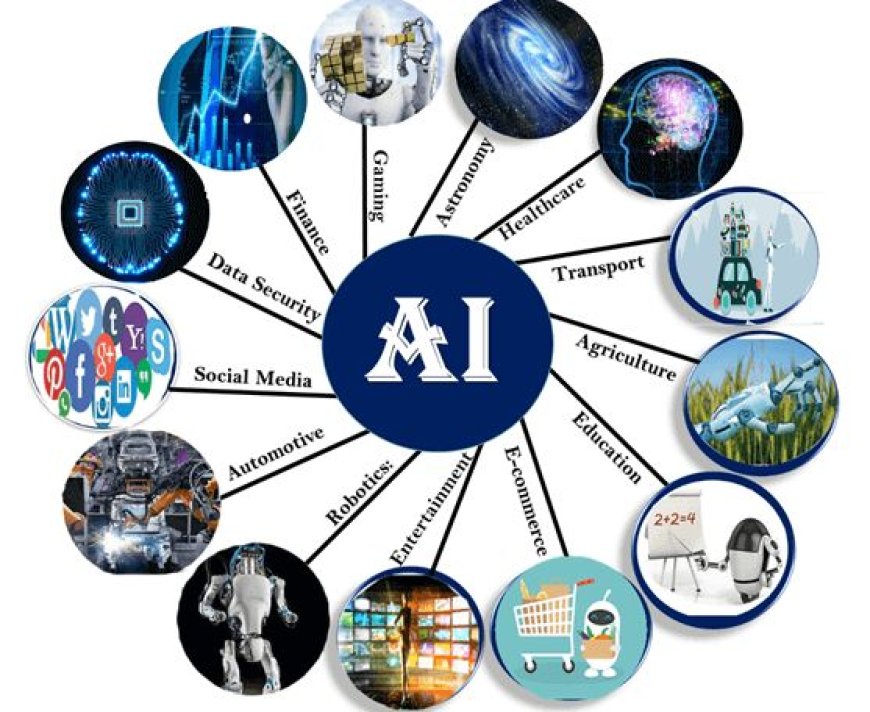
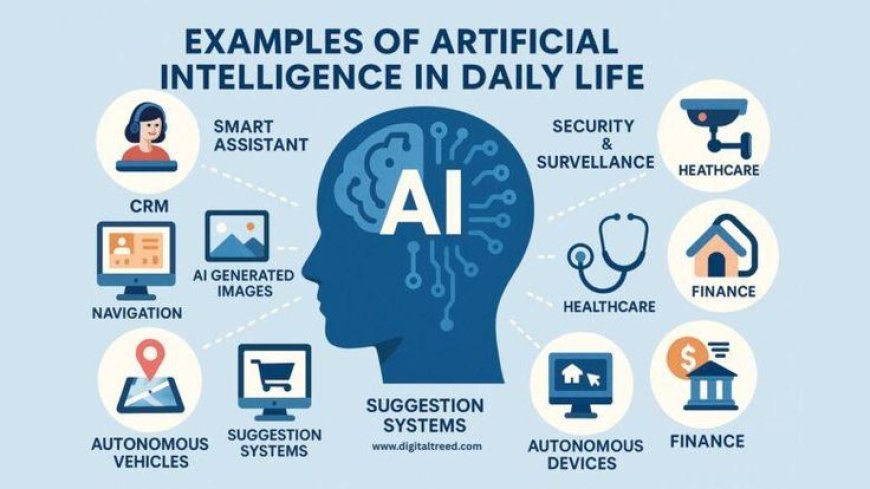 AI is now a necessary component of everyday life, frequently without people's awareness. Chatbots and voice assistants are examples of virtual assistants that help users find information fast and manage tasks. Based on user preferences, recommendation systems on streaming services and online retailers make product, music, and movie recommendations. AI is used in transportation to power self-driving cars, navigation systems, and traffic forecasting.
AI in Healthcare
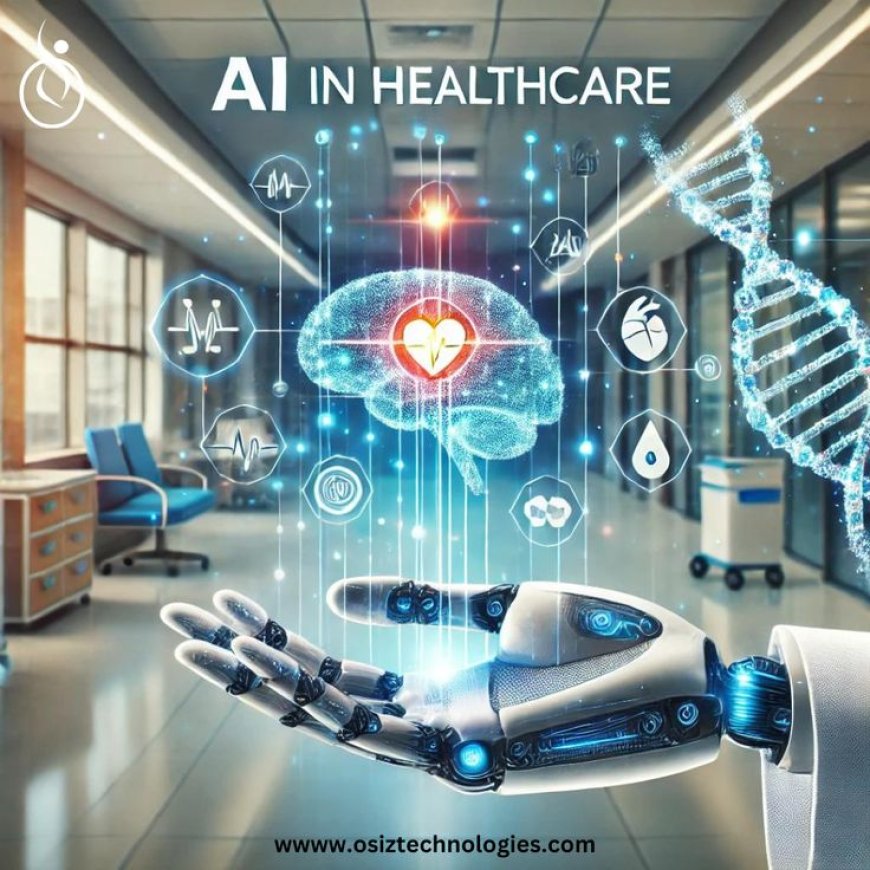 Healthcare is one of the fields where AI is having the biggest impact. AI-powered tools help physicians diagnose illnesses, evaluate medical pictures, and forecast patient outcomes. By identifying early indicators of diseases like cancer or heart disease, machine learning models can increase treatment efficacy and save lives. By evaluating complicated biological data more quickly than conventional techniques, AI also aids in the search for new drugs.
AI in Business and Industry
 AI is being used by businesses all over the world to increase productivity and decision-making. Businesses can better understand consumer behavior, streamline supply chains, and tailor marketing campaigns with the aid of AI-driven analytics. AI-powered robots and automation systems improve workplace safety, boost productivity, and lower errors in manufacturing.
Role of AI in Education
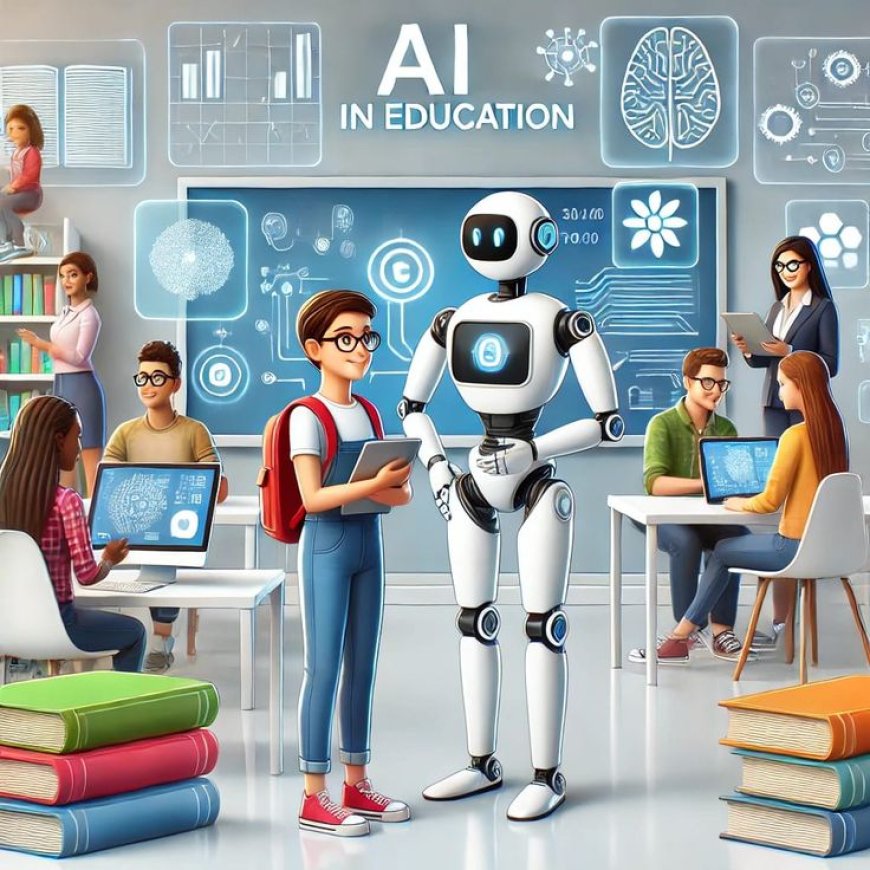 By providing individualized learning experiences, AI is revolutionizing education. Lessons are modified by intelligent tutoring systems according to a student's performance and rate of learning. By automating administrative duties, AI also benefits educators by freeing them up to concentrate more on instructing and guiding students.
Benefits of Artificial Intelligence
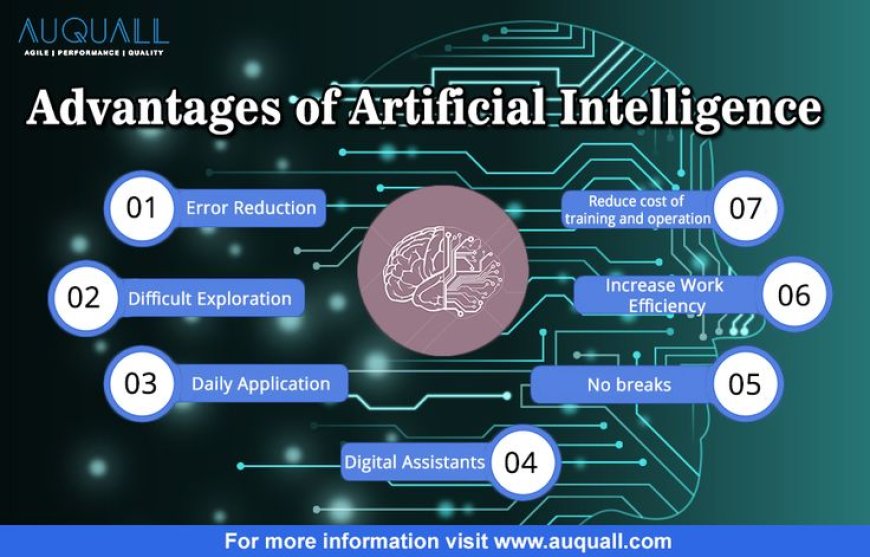 AI has many advantages. It facilitates quicker decision-making, lowers human error, and boosts productivity. AI can perform hazardous and repetitive tasks, increasing safety and allowing humans to concentrate on strategic and creative work. Additionally, it creates new avenues for industry-wide innovation.
Challenges and Ethical Concerns
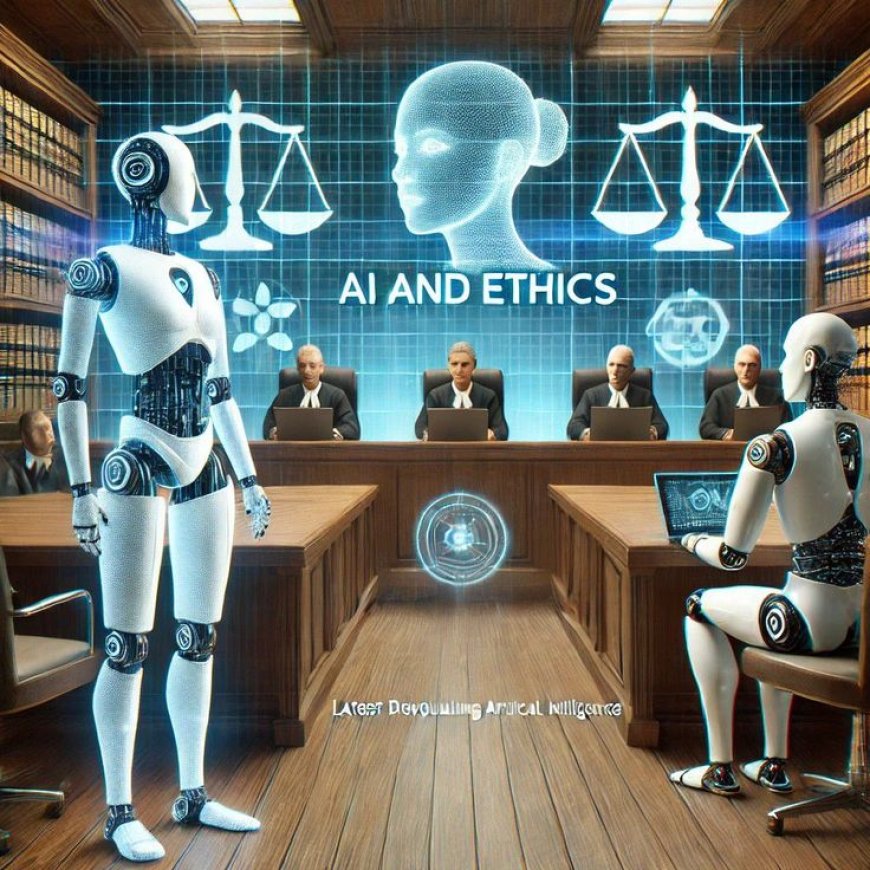 AI has a number of drawbacks despite its benefits. Algorithmic bias, job displacement, and data privacy are important issues. Transparency, equity, and accountability are necessary for the ethical application of AI. To guarantee that AI is applied sensibly and for the good of society, governments and organizations must create regulations.
The Future of AI
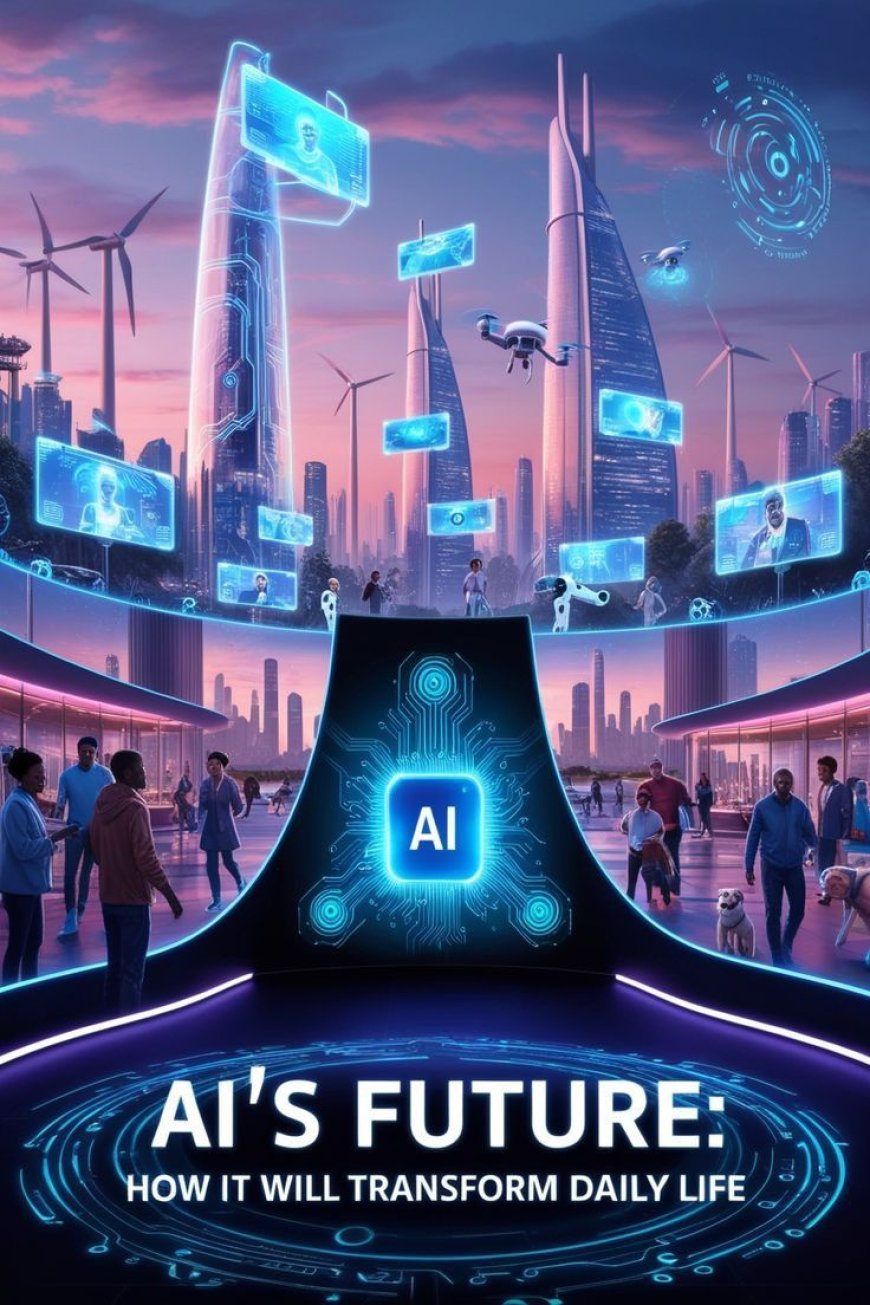 AI has enormous potential for the future. AI systems will become more intelligent, adaptable, and human-like as technology develops. AI will continue to influence the future in everything from smart cities to cutting-edge medical care. But to guarantee that AI serves humanity as a whole, ethical behavior and balanced development are crucial.
Conclusion
AI isn't just a new technology; it's a powerful force that is changing the world. AI can help create a smarter, more efficient, and more inclusive future by taking advantage of its benefits and dealing with its problems.
What's Your Reaction?
 Like
1
Like
1
 Dislike
0
Dislike
0
 Love
0
Love
0
 Funny
0
Funny
0
 Angry
0
Angry
0
 Sad
0
Sad
0
 Wow
0
Wow
0