Role of Intelligence Agencies in Preventing Terror Attacks
Intelligence agencies play a crucial role in preventing terror attacks by identifying threats before they materialize and enabling governments to take timely action. Their primary responsibility is to collect, analyze, and act on information related to terrorist groups, radical networks, and suspicious activities that may pose a risk to national security. One of the most important functions of intelligence agencies is information gathering. This includes human intelligence (HUMINT), signals intelligence (SIGINT), cyber intelligence, and surveillance. By monitoring communication channels, financial transactions, travel patterns, and online activity, agencies can detect early warning signs of terrorist planning and recruitment. Another key role is threat analysis and risk assessment. Raw data is analyzed to identify patterns, links between individuals, and potential targets. Intelligence analysts assess the credibility of threats and prioritize them based on severity, allowing security forces to focus on high-risk situations and prevent attacks before they occur. Inter-agency and international cooperation is also essential. Terrorism often crosses borders, so intelligence agencies collaborate with domestic law enforcement, military units, and foreign intelligence partners. Sharing intelligence helps track cross-border movements, disrupt terror financing, and dismantle global terror networks. Intelligence agencies also support counter-terrorism operations by providing actionable inputs to police and security forces. This may include pinpointing locations, identifying suspects, or tracking weapon and funding sources. Such coordination has helped avert numerous planned attacks and reduce casualties. In the modern era, intelligence agencies increasingly rely on technology and artificial intelligence. Advanced data analytics, facial recognition, cyber monitoring, and predictive modeling help agencies identify hidden threats and respond faster. At the same time, agencies must balance security needs with privacy and human rights, ensuring intelligence operations remain lawful and ethical. Overall, intelligence agencies serve as the first line of defense against terrorism. Through vigilance, analysis, collaboration, and technological innovation, they play a vital role in safeguarding citizens and maintaining national and global security.

Role of Intelligence Agencies in Preventing Terror Attacks
In the contemporary world, terrorism is one of the gravest risks to national and international security. Besides resulting in loss of life and property, terror attacks lead to fear spreading, destabilization of the economies and societies. Intelligence agencies in this multi-faceted security environment are playing the decisive role of stopping terror attacks through early identification of threats, disruption of terror networks, and assistance in counter-terrorism activities. They do their work behind the scenes yet it plays a critical role in protecting citizens and ensuring peace.

What Are Intelligence Agencies and What is their Role?
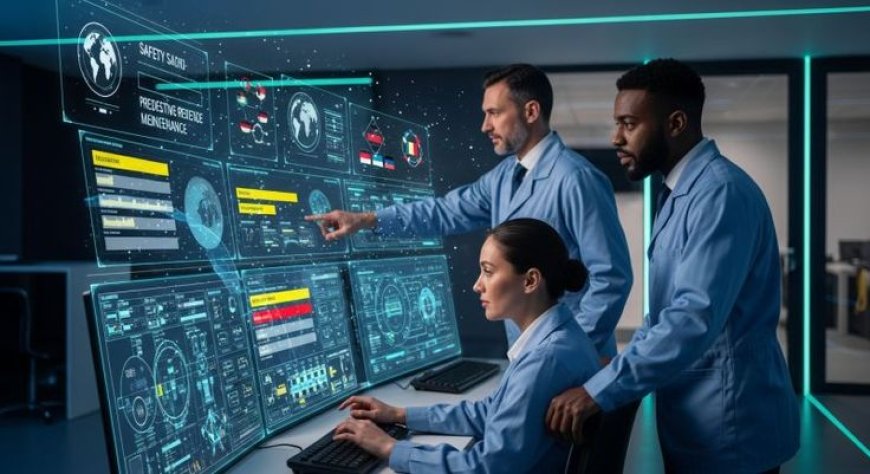 Intelligence agencies are special government agencies that are charged with the responsibility of gathering, analyzing, and interpreting information pertaining to the threats to national security. They are concerned with terrorism, espionage, cyber threats, organized crime and foreign security threats. As opposed to the normal law enforcement, the intelligence agencies strive to block crimes even before they take place, more so massive attacks that can cause catastrophic effects.
Their main goal on counter-terrorism is to make sure that terror schemes are identified on the planning level so the law enforcing bodies can take action before any damage is caused.
Intelligence Collection: The First Line of Defense
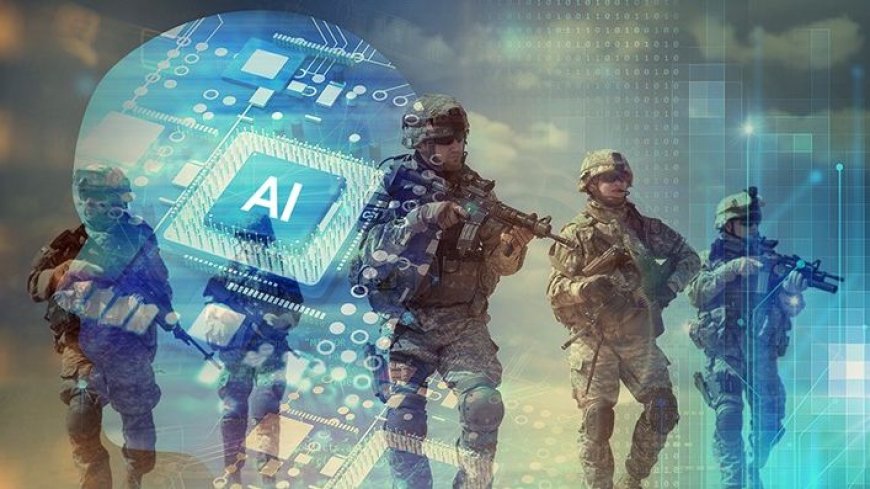 Gathering information by various sources is one of the most vital functions of the intelligence agencies. This is referred to as the intelligence collection and it involves a number of procedures:
- Human Intelligence (HUMINT): Data collected by informants, undercovers as well as by the community.
- Signals Intelligence (SIGINT): Surveillance of communications like phone calls, emails, and digital messaging of the terror factions.
- Cyber Intelligence: Monitoring internet activity, extremist propaganda, recruitment activities and encrypted sites.
- Financial Intelligence: It is the tracking of suspicious financial activities to locate terror networks.
Through these sources, the intelligence agencies are able to form a better picture of terrorists, their intentions, capabilities, and networks.Today, various types of threats are present that affect numerous organizations and organizations, and their impact can be disastrous.<|human|>Threat Analysis and Early Warning Systems
Threat Analysis and Early Warning Systems
 Raw information is not sufficient. The intelligence agencies are important in the analysis of the data and transformation of the data into actionable intelligence. Analysts look into trends, relationships and behavioral clues to determine that there is a plausible threat.
Agencies identify:
Who may carry out an attack
Where and when it might occur
What targets may be involved
Through this examination, the governments and the security officers can take preventive actions including ensuring that they come up with security to high-risk areas, making arrests, or making the reporting and communication channels ineffective.
Preventing Radicalization and Recruitment
 Contemporary terrorism has its strong dependence on ideology, propaganda, and radicalization via the Internet. Extremist material and content are also actively monitored by intelligence agencies on social media, forums, and messaging apps. They can be used to stop the recruiting of individuals to terror groups, particularly the youth by detecting radical networks at the earliest stage.
Counter-radicalization programs, community engagement programs, and de-radicalization programs are also supported by intelligence inputs in order to curtail the long-term proliferation of extremism.
Cooperation between agencies and internationally.
 Terrorism does not often stay within the borders of nations. The number of terror groups that operate in different countries is large and hence intelligence agencies need to cooperate. The intelligence agencies liaise with:
Local and national law enforcement.
Armed and non-armed forces.
Border security agencies
Intelligence services overseas.
This information sharing enables agencies to monitor cross border movement, international terror cell and interfere with terror funding rings around the world. Combined efforts and sharing of intelligence have averted many attacks across the world.
Supporting Counter-Terrorism Operations
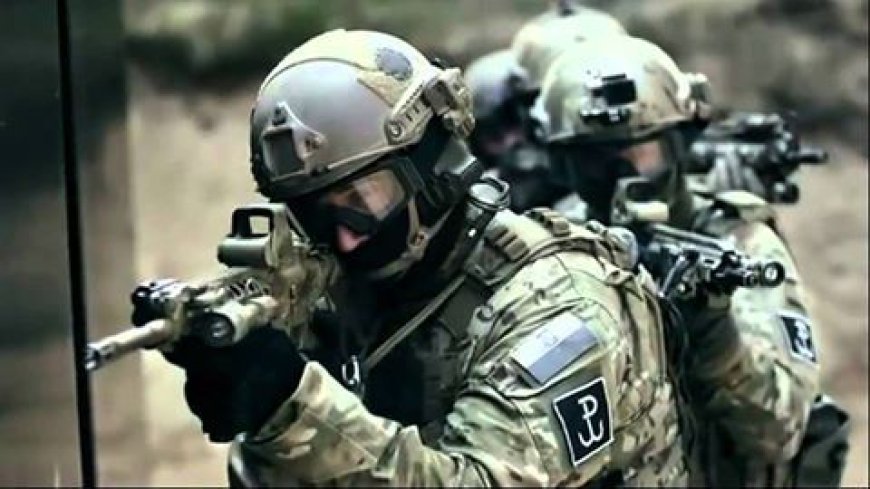 During counter-terrorism operations, intelligence agencies offer real-time assistance to the forces. This includes:
1.Detecting hideouts and training camps.
2.Monitoring of suspects.
3Technical surveillance and reconnaissance.
4Evaluation of possible collateral risks.
Proper intelligence mitigates risks in operations and assists in making sure that the security measures are accurate, efficient, and legally valid.
Role of Technology and Artificial Intelligence
 The emergence of digital communication and big data has made a lot of advanced technology and artificial intelligence (AI) important in intelligence agencies. The usage of tools like data analytics, facial recognition, predictive modeling, and AI-controlled threat detection can be used to assist agencies to handle large amounts of data within a short period.
AI assists in:
Determining suspicious patterns of behavior.
Detecting hidden networks
Anticipating possible attack scenarios.
Nevertheless, agencies should make sure that technology is employed in a responsible manner that is legally controlled and civil liberties are respected.
Balancing Security and Human Rights
 Although it is important to prevent terrorism, the intelligence agencies are charged with balancing between national security and the individualities and rights of people. Democracies insist that the intelligence missions must operate within the law and also within moral parameters.Open control, judicial examination and accountability measures assist in making sure that the intelligence activity is efficient without compromising citizen confidence.
Conclusion
The intelligence agencies cannot be ignored in the prevention of terror attacks. They serve as the frontline in the fight against terrorism through intelligence gathering, threat assessment, counter-radicalization, technological development and foreign collaboration. Their achievements also go unnoticed most of the time, though the number of lives saved as a result of timely intelligence and prevention is quite high.
With the changing security challenges and the advanced networks of terror, enhancing intelligence capacities, without compromising the morals is crucial in upholding security in the long run and global peace.
What's Your Reaction?
 Like
0
Like
0
 Dislike
0
Dislike
0
 Love
0
Love
0
 Funny
0
Funny
0
 Angry
0
Angry
0
 Sad
0
Sad
0
 Wow
0
Wow
0