





















































































































































Modern Etiquette: How to Manage Pro Relationships in a Fully Remote World.
Learn how Modern Etiquette helps manage professional relationships in a fully remote world through respectful communication, trust, boundaries, and inclusivity.
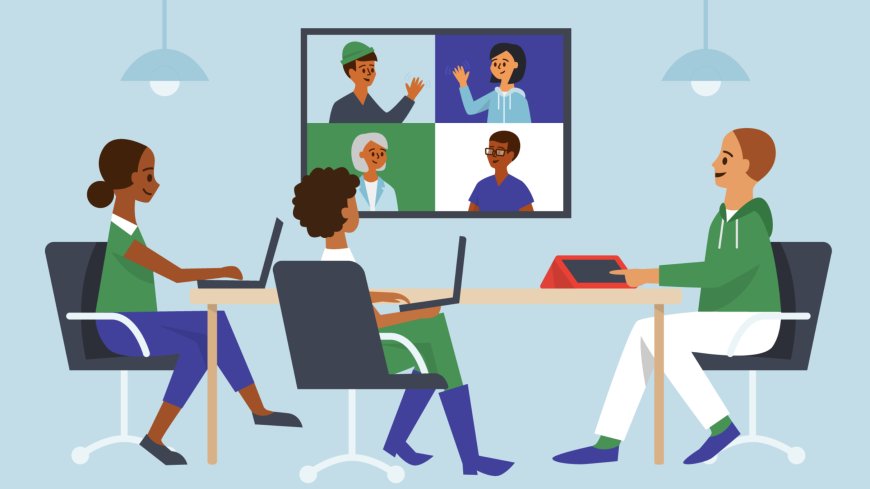
The importance of Modern Etiquette is greater than ever since the workplace no longer refers to the real office but instead requires a workplace that is fully remote. When workers stop sharing meeting rooms, coffee breaks or office halls, then the principles of interaction will alter automatically. Contemporary Etiquette in a remote arrangement is not of strict manners, but of respect, clarity, empathy and professionalism. Modern etiquette is relevant to the current digital-first work culture by enabling building trust, sustaining a healthy working relationship, and seamless cross-screen, time zone, and cross-cultural collaboration.
Learning Contemporary Manners in Telecommuting.
In its simplest form, Modern Etiquette in remote work is the application of traditional workplace etiquette in cyberspace. Face-to-face conversations have been substituted with emails, video calls, chats, and project tools. The nature of a strong professional relationship has changed to rely less on the physical presence but rather on how we communicate on the internet in a thoughtful manner.
Modern etiquette in this case consists of simple habits: being on time during virtual meetings, responding within a reasonable time, and the use of respectful language even when sending a quick message. Words have more weight without tonal or body language indicators. Modern Etiquette will ensure that there are no misunderstandings of messages and that relationships are positive.
Communication: The Art of Etiquette in the Modern Era.
Professional Relationships in Remote Work is based on clear communication. Because there are no casual conversations in the offices, all the interactions should be purposeful. In emails and messages, it is more about being very clear and polite.
Good Modern Etiquette also involves the selection of the appropriate channel for the message. Not all things require a meeting, and not all conversations fit in a chat. The time of colleagues should be respected as it is a sign of maturity and strengthens the professional relationship. Greetings, the use of the terms please and thank you, and the recognition of messages look too minute; nevertheless, they are habits that make a person display Modern Etiquette in online environments.
Virtual Presence and Video Meetings.
Video calls have become an everyday routine, and Modern Etiquette is a major concern in the way we represent ourselves. Being punctual in joining meetings, switching off when not talking and listening are the simple expectations. Being attentive, not multitasking, indicates respect for the time and effort of others.
Flexibility is another Modern Etiquette. Not all can be willing to use their camera every day. Personal boundaries would be respected to establish a healthy professional relationship. Remote work implies the necessity to balance between professionalism and compassion, and it is one of the fundamental principles of Modern Etiquette.
Adhering to Boundaries and Work-Life Balance.
Boundary recognition is one of the greatest changes in Modern Etiquette. Working at home frequently confuses personal and professional life. The fact that a person is online does not mean that they are available twenty-four hours a day.
Sending messages at agreed working hours, arranging emails rather than expecting immediate response and observing time zones are critical elements of Modern Etiquette. The practices guard against mental health issues and bolster relationships with professionals in the long run. Boundaries are not a state of weakness, but an indication of emotional intelligence and contemporary professionalism.
Reliability and Investment in a Professional Relationship.
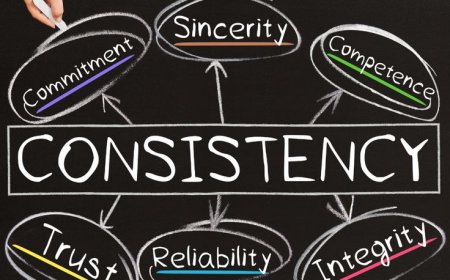
Any professional relationship should be built on trust, and Modern Etiquette helps to create trust even when staying at a distance. Accountability is essential because the work performed cannot be physically seen by the managers and teammates.
Meeting the deadline, reporting, and confiding difficulties are good practices of Modern Etiquette. When done with respect, overcommunication is found to minimise confusion and anxiety. Trusting one another helps people work together, and remote teams feel closer to each other even though there is a physical distance between them.
Inclusivity and Cultural Sensitivity.
Remote teams tend to be cross-national and multi-cultural in nature, which means that Modern Etiquette is even more intricate and significant. What is considered normal in one culture may be taken as impolite or misunderstood in another culture. Good Modern Etiquette is being sensitive to the language, humour and styles of communication.
Taking into account that inclusive behaviour includes providing everyone with an opportunity to speak in meetings and considering their other point of view, every professional relationship is empowered. Modern Etiquette promotes curiosity over assumptions, allowing teams to work together respectfully.
Dealing with Conflict with the Etiquette of Our Time.
There is no avoiding conflict, even with remote work. Nevertheless, Modern Etiquette directs the way conflicting situations are managed. Discussing the problems without resorting to emotional statements, using straightforward communication instead of online conversations, is crucial.
An amicable style maintains the professional relationship and solves the issues. Modern Etiquette tells us not to ignore tone in a situation where expressions can so easily be misunderstood by a written word. Nobody should argue or quarrel rudely, and peaceful dialogues ensure that differences do not cause harm to future cooperation.
Conclusion: Why Etiquette in the Modern World is, in fact, Important.
Modern Etiquette is not a luxury in a completely remote world, but a necessity. It influences our communication, interaction and formation of enduring relationships in our work without necessarily being physically in contact with one another. Modern Etiquette describes the success in remote work through respectful communication and boundary awareness, trust and cultural sensitivity.
Modern Etiquette day-by-day practices establish a workplace filled with respect, understanding, and accountability, which professionals serve. Not only do these habits enhance productivity, but in addition, they make remote work much more human, balanced and sustainable for everyone concerned.
What's Your Reaction?
 Like
0
Like
0
 Dislike
0
Dislike
0
 Love
0
Love
0
 Funny
0
Funny
0
 Angry
0
Angry
0
 Sad
0
Sad
0
 Wow
0
Wow
0