






























































































































































Modern Leadership Skills for the Digital Age
Discover the essential modern leadership skills needed in today’s fast-changing digital world, from emotional intelligence and digital adaptability to innovation, agility, and ethical decision-making.

Modern Leadership Skills for the Digital Age
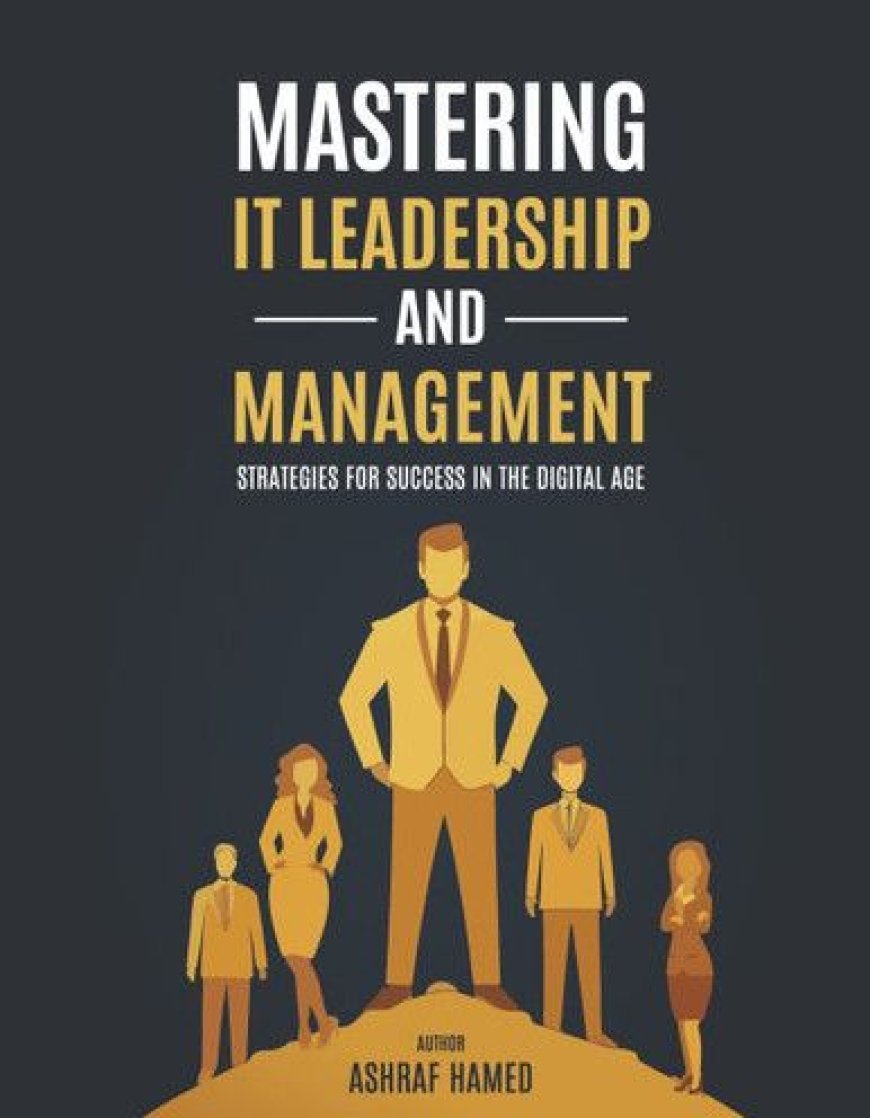
Frankly speaking, it is not the same to be a leader in this digital age as it was before. In the past, the boss used to provide instruction and the team obeyed. Simple. However, it is all different now. The world is changing so rapidly that even leadership itself is completely different. A leader today must know people, keep abreast with technology, be able to adjust fast and lead the team and not like an old-school boss. Digital adaptability is the initial consideration in the current day.
Each day there is another application, another tool, another update of AI. A leader no longer can declare that he or she does not understand tech. Such an attitude does not work anymore. Contemporary leaders must be inquisitive and have the desire to learn. They do not need to be ideal or too technical but they should be conscious. This enables them to make smarter decisions besides providing the team with the impression that its leader is aware of what is going on in the world. Then there is emotional intelligence which is by all standards the most valuable skill now.
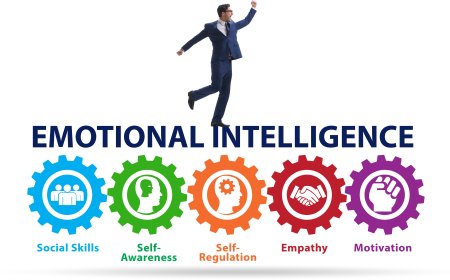
The actual work continues to occur between humans, despite all the AI and automation around. Teams desire leaders who are listening, caring, non-judging, understanding. Emotional intelligence enables a leader to make the team feel secure and appreciated. Especially at this time, when all of us are either working out of the office or working remotely or working in hybrid arrangements, emotional intelligence is what makes the connection live and develop trust. One more important competency is the ability to make decisions based on data.
Gone are the days when one could guess or make up his or her decisions by the gut feeling alone. Data brings clarity. Leaders need to be aware of how to read information, identify trends and apply facts in order to strategize the appropriate path. They do not have to be data scientists, they simply have to think in that way. The team also feels safe whenever it makes decisions based on data because it is guaranteed that there is something real behind the decision. Next comes agility. It is a survival skill in the digital world literally. Markets evolve rapidly, people evolve rapidly, technology evolves at a greater rate. The slowness of a leader may make the entire team to miss out.
The current leaders are fast to experiment-try, learn and improve without being scared. This dynamic thinking transforms the entire team into a creative one and enables the organisation remain competitive. Teamwork is also now a leadership practice. The former hierarchy system is no longer effective. Individuals do not wish to be instructed around but rather have a sense of participation. Nowadays, teams collaborate not only within a department, but also in different cities, different time zones. The leader must be able to make everyone feel a part of the mission, heard, and included in the environment. Effective teamwork helps to create a team that works together as a family.
Communication has taken its centre stage in leadership. And not the fanciful, formal type--actual, direct, human communication. As a leader, he or she must understand when to send a message, when to email, when to call, and when to just check in. Tone is important as well. Relatable, clear, and soft communication make the entire team move in the right direction and minimize confusion. An innovation friendly mindset is also required in a modern leader. It involves welcoming new ideas, promoting experimentation and alternating mishaps with crimes. As an innovation supporter, the leader makes the team more creative. Individuals are at liberty to be out of the box. This makes the organisation renewed, courageous and future-oriented. And here is another thing that is of paramount importance nowadays: ethical responsibility. Due to the emergence of AI, data privacy, and cybersecurity as such broad subjects, teams and customers anticipate leaders to be responsible. The leaders must ensure that technology is utilized properly.
Ethical leadership establishes credibility within the team and with the external environment. Individuals have faith in leaders who appreciate honesty and transparency. Finally, the twenty-first-century leadership is a beautiful combination of technology and humanity. A leader in the modern world must be quickly, yet calm, intelligent, but sensitive, analytical, yet instinctive. Their roles are easily interchangeable: they can be mentors, listeners, strategists, problem-solvings, which is why they will rely on what the team requires at this particular time. The Digital Age might appear rough, but it is full of possibilities. The leaders who are not afraid to learn, never stop evolving and above all are those leaders who are human enough are the ones who shine. They do not only cause companies to grow; they carry their people with them.
What's Your Reaction?
 Like
0
Like
0
 Dislike
0
Dislike
0
 Love
0
Love
0
 Funny
0
Funny
0
 Angry
0
Angry
0
 Sad
0
Sad
0
 Wow
0
Wow
0