










































































































































































The Software the World Can’t Quit: Why Excel Still Rules the Modern Economy
Recently, I studied how Microsoft Excel remains the backbone of the global economy despite being 40 years old. Explore the risks of "Shadow IT," the cost of spreadsheet errors, and why the world isn't ready for a post-Excel future.
Recently, I was studying an article about the iron grip Microsoft Excel has on the modern world, and it really got me thinking. We live in an era of artificial intelligence, high-speed cloud computing, and bespoke enterprise software, yet the entire global economy—from local bakeries to multi-billion dollar investment banks—still runs on a program that debuted in the mid-80s.
Why are we so obsessed with a grid of cells?
The Rise of "Shadow IT"
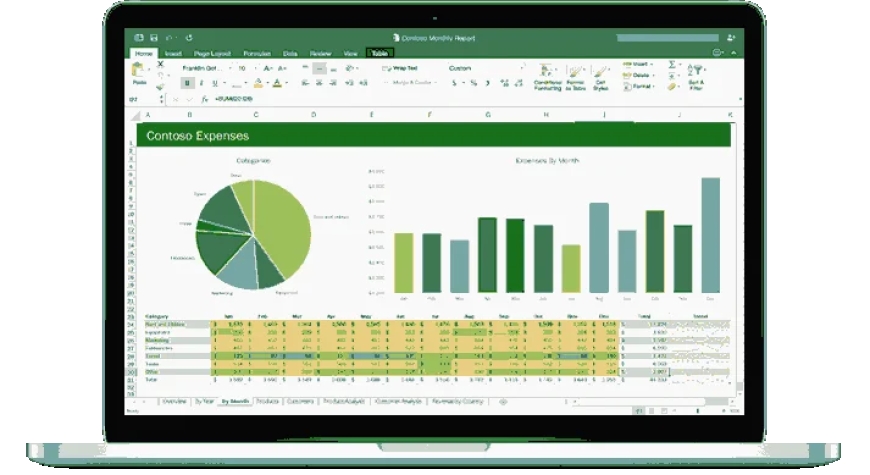
The reality is that Excel isn’t just a tool; it’s a security blanket for the modern worker. The article pointed out a fascinating concept called "Shadow IT." This happens when a company invests millions in a complex, high-tech data system, but the employees find it too rigid or clunky. Instead of following the "official" rules, they export the data and build their own mini-empires in an Excel sheet. It’s fast, it’s flexible, and most importantly, the user is in total control. No need to wait for the IT department; you just open a sheet and start building.
When Cells Become Dangerous
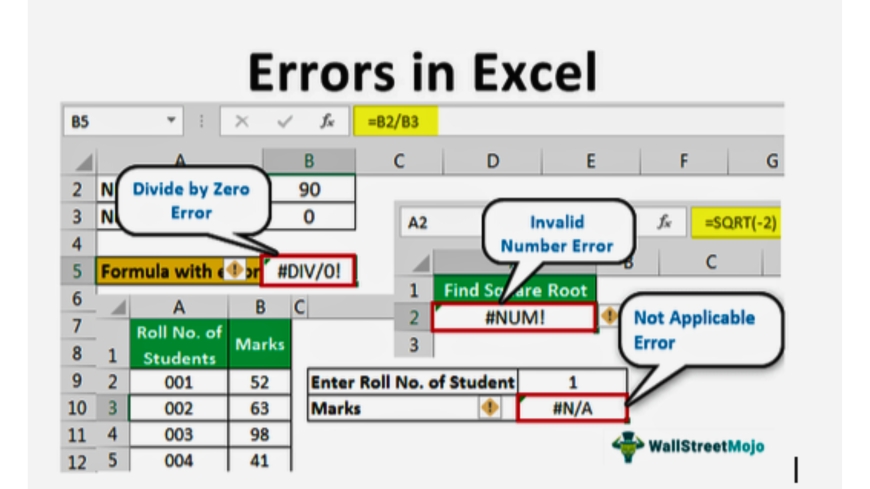
But this freedom comes with a massive price tag. I was struck by the sheer scale of the disasters mentioned in the piece. We often think of "human error" as a small typo, but in the world of spreadsheets, a single copy-paste mistake or a hidden row can be catastrophic.
Take the UK’s COVID-19 response in 2020: nearly 16,000 positive cases went missing from the record simply because a spreadsheet hit its maximum row limit. Or consider the infamous JPMorgan "London Whale" incident, where a modelling error contributed to a $6 billion loss. These aren't just glitches; they are warnings about our over-reliance on a system that doesn't have a built-in safety net.
The AI Paradox: Trapped in a Grid
The most interesting takeaway for me was the struggle companies face when trying to modernise. We talk constantly about "digital transformation" and AI integration, but that is incredibly hard to do when your most vital data is scattered across thousands of disconnected files on various hard drives. If a company doesn't have a centralised database, it can't train an AI or ensure its data is secure. Excel makes it easy to create data, but it makes it very difficult to manage it on a global scale.
The Verdict: A Hard Habit to Break
In the end, it seems Excel is the software we love to hate but can’t live without. It empowers the average person to be a data scientist without writing a single line of code. While it might be "dangerous" in the wrong hands, it remains the universal language of business. Until someone invents a tool that is as intuitive as a pen and paper but as powerful as a supercomputer, we’ll likely be clicking and dragging cells for another forty years.
What's Your Reaction?
 Like
0
Like
0
 Dislike
0
Dislike
0
 Love
0
Love
0
 Funny
0
Funny
0
 Angry
0
Angry
0
 Sad
0
Sad
0
 Wow
0
Wow
0