

































































































































































Digital Leadership Skills of the Modern Era
Explore the essential modern leadership skills needed for the digital age, including adaptability, emotional intelligence, digital literacy, agile thinking, data-driven decision-making, and ethical leadership. Learn how today’s leaders can inspire innovation, guide hybrid teams, and navigate rapid technological change for sustainable success.

Digital Leadership Skills of the Modern Era
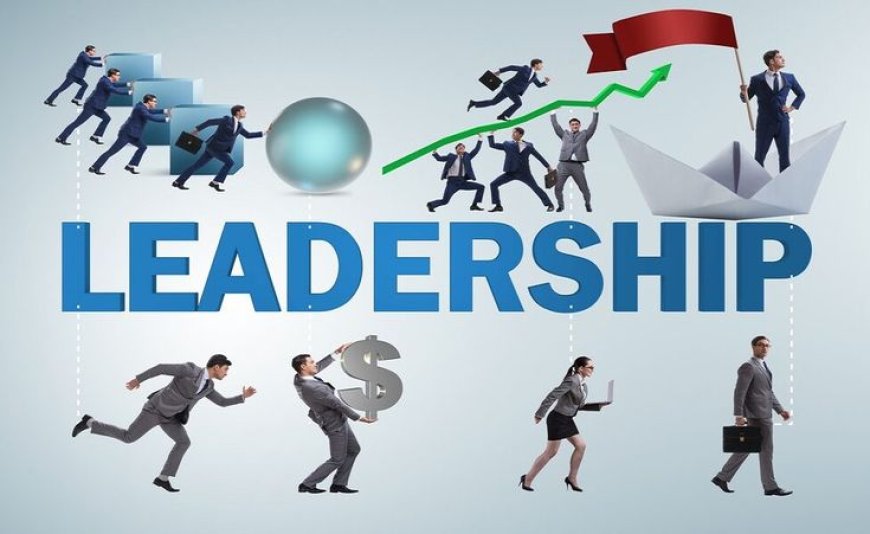
Digital age leadership is a complete contrast of the old model of leadership. The fast pace of technological change, the global nature, the working cultures of hybrids and changing expectations of the employees have transformed the way leaders should communicate and work in teams as well as decide. The current leaders are not only required to lead teams but also have to educate and inspire innovation, embrace digital transformation and adapt to complexity with a high level of agility. The new leadership is a mix of human and technology-focused skills, which forms a well-balanced strategy to make organizations succeed in an unpredictable world.
The digital world has put special emphasis on flexibility. Previously, leadership was concerned with long-term stability whereas the current environment requires one to constantly adapt. The leaders are required to react fast to the customer behavior, the market trends, and the technological innovations. Adaptability also entails being receptive to learning, trying out new tools and introducing new teams to embrace change instead of being afraid. Rigid leaders stand a chance of being left behind and those who are flexible develop resilience and growth over a long period.
Digital literacy is another crucial skill that a contemporary leader must have. Although leaders do not have to be engineers and tech professionals, they should be aware of the effects that digital tools can have on performance, customer experience, and operational efficiency. It could be data analytics or AI-based tools, cloud technology, or digital communication platforms, but leaders have to be ready to operate in the new systems. Digital literacy also allows them to make sound decisions and innovate successfully, as well as lead their teams through digital transformation efforts with confidence.
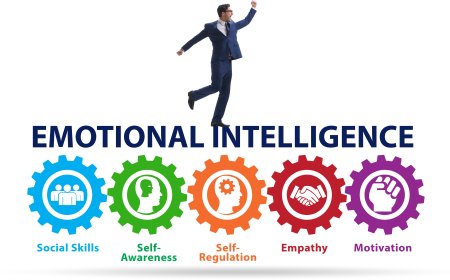
Meanwhile, emotional intelligence (EQ) has been more significant than ever. With more and more workplaces moving virtual and becoming more diverse, leaders have to be sensitive to varying points of view, communication styles and personal struggles. EQ can enable the leaders to gain trust, conflict management and healthy relationship; essential needs that will ensure the success of a team in a fast-paced setup. Empathy, active listening and motivation have been identified as the principles of successful leadership, particularly when dealing with remote or hybrid teams.
Communication is the core of leadership, which has been diversified in digital times. Leaders are required to communicate via various channels, including video calls, emails, messaging services, and collaborative tools, whereas being clear, consistent, and transparent. Due to the fact that the tone, context, and clarity can be easily misinterpreted online, digital communication must be intentional. The communication of modern leaders should be able to stimulate participation, conformity and psychological protection in a team.
Data-driven decision making is another important skill. Leaders have not had such access to more data than ever before and can take smarter, faster, and more accurate decisions. This, however, demands the capacity to analyze data, identify trends and combine knowledge to strategic planning. Effective leaders will be able to predict issues, spot opportunities, and gauge the effectiveness of their choices with more accuracy when handled by data. Simultaneously, they need to strike a balance between data and human skills and intuition to formulate comprehensive decisions.
Teamwork and inclusion are also the desired leadership qualities in the digital era. The contemporary teams are commonly geographically, culturally and time zone dispersed. Inclusion leaders will respect different opinions and allow them to participate and provide a place where each member of the team feels empowered to make a contribution. Online tools simplify teamwork, yet leaders should make sure that these tools are applied in an effective manner so as to promote teamwork rather than discourage it. Inclusive leadership enhances creativity, problem solving and innovativeness among the team.
An effective leader in the present day should also have the ability to think agilely. Agility is not only adaptability but also anticipates change and tries new concepts and changes fast without forgetting the long-term goals. Agile leaders believe in constant upgrading, feedback and empower their teams to turn around where something goes wrong. Such an attitude is essential in a business environment where the needs of customers and the situation at the market may change quickly.
Another characteristic of the digital age leadership is innovation mindset. The leaders should provide an environment that promotes the creativity, experimentation and taking risks. This is by promoting novel ideas, endorsing technological experimentation, and having the freedom to fail without intimidation. Creative leaders know that answers to problems can be discovered in curiosity and exploration. Through innovation culture, leaders ensure that their organizations are ahead of competition and deal with disruption.
Lastly, responsible and ethical leadership has become a new meaning. With the increased dependence on technology, the problem of data privacy, cybersecurity, and ethical use of AI has become paramount. The contemporary leaders should make sure that technology should be utilized in the best way, data should be secured, and choices should be made based on the long-term effects on society. Ethical leadership also helps establish trust among the employees, customers and other stakeholders, who form a critical asset in the current world of transparency.
To sum up, digital leadership needs to be an active mix of human possibilities and knowledge of technologies. The new leadership is comprised of adaptability, emotional intelligence, digital literacy, effective communication, data-based decision making, agility, inclusiveness and ethical accountability. Such leaders do not only lead their teams better but also make their organizations successful in the continually changing digital world. The future is on leaders who can manage to strike the right balance between innovation and empathy as well as strategy and agility- those who are capable of inspiring individuals at the same time using technology to create a progressive, strong organization.
What's Your Reaction?
 Like
0
Like
0
 Dislike
0
Dislike
0
 Love
0
Love
0
 Funny
0
Funny
0
 Angry
0
Angry
0
 Sad
0
Sad
0
 Wow
0
Wow
0