
















































































































































Tradition Meets Technology in the Digital Age
Explore how digital innovation is reshaping cultural identity while preserving traditions, values, and roots in the modern digital age.
Digital Innovation Reshaping Culture and Roots
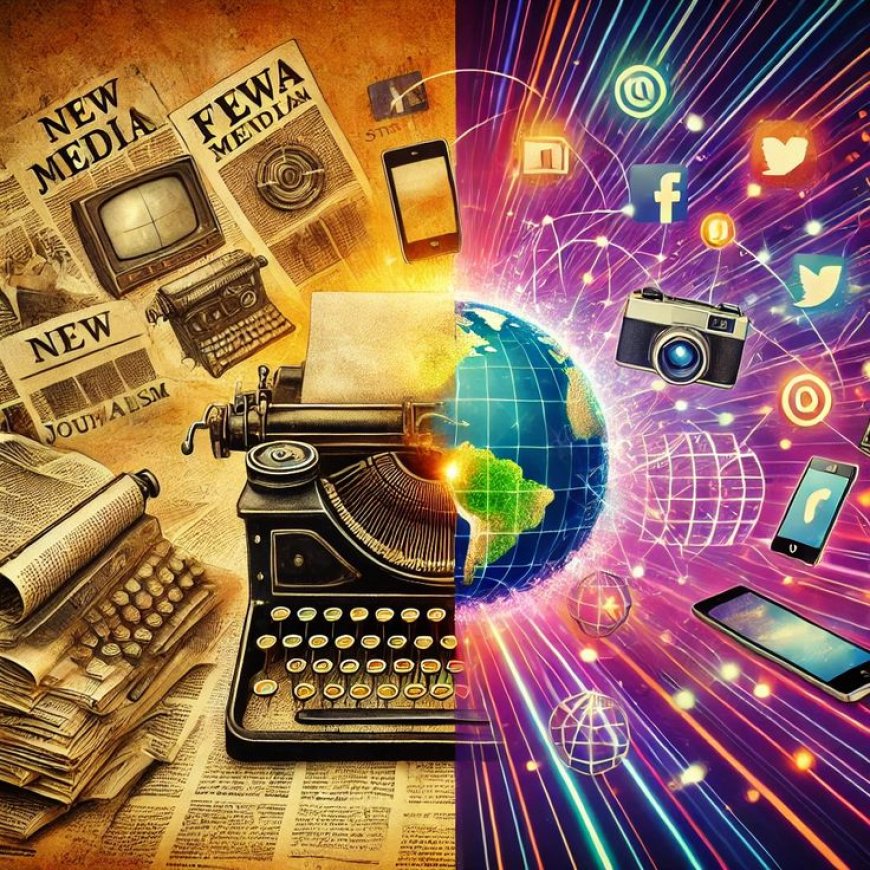
People have always created the culture using the tools that they use. Since the discovery of paper through the printing press, radio and television, all technological advancements have silently restructured the preservation, dispensation and practice of traditions. Our present is one more turning point. It is not that digital technology (smartphones, social media, artificial intelligence, and virtual platforms) is replacing culture; it is transforming culture. The association between tradition and technology is not a struggle anymore but rather a developing partnership.
Culture is no longer limited to the physical spaces
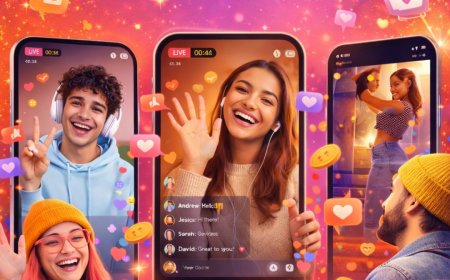
In the traditional culture, people lived in a very physical environment, which included homes, temples, festivals, markets, and communal places. Transmission of knowledge between the elderly and the young generation is done through narratives and rites as well as life experiences. Culture in the digital age is no longer geographical. A folk song that has been captured in the phone can reach out to millions in hours. One of the recipes that used to be shared by the families is now stored on blogs and video networks.
This has widened cultural publicity. Traditional societies which used to be ignored are now heard. Through digital platforms, individuals can have a chance to record languages, customs, and art forms that will otherwise become extinct. Technology has turned out to be a strong instrument of cultural conservation, providing tradition with a different form of permanence.
The Oral to the Digital Story
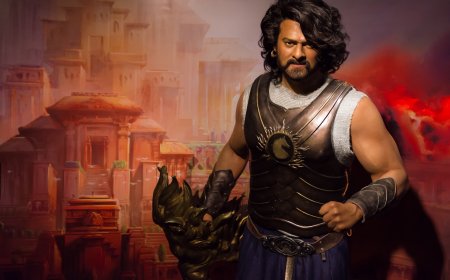
Storytelling has always been the core of any culture; it is just that now it has a different form. Oral tradition and handwritten documents have turned into podcasts, reels, and documentaries as well as interactive media. A myth that was being told by grandparents is now made into an animation, to be shared and discussed around the world.
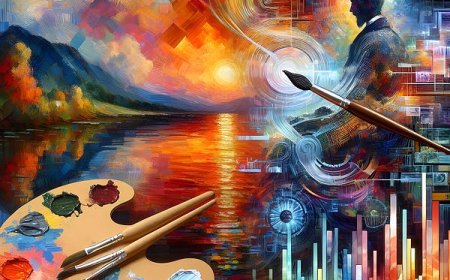
This development has not only transformed the manner of narration but also the narrator. Young artists rediscover the traditions with the help of the modern spectacles where humour, images, and the personal experience are combined. Purists might be concerned about authenticity, but this reinterpretation ensures that culture remains vibrant and alive. Adaptation in culture will leave the culture alienated or lost.
Technology Is Reshaping the Rituals and Celebrations
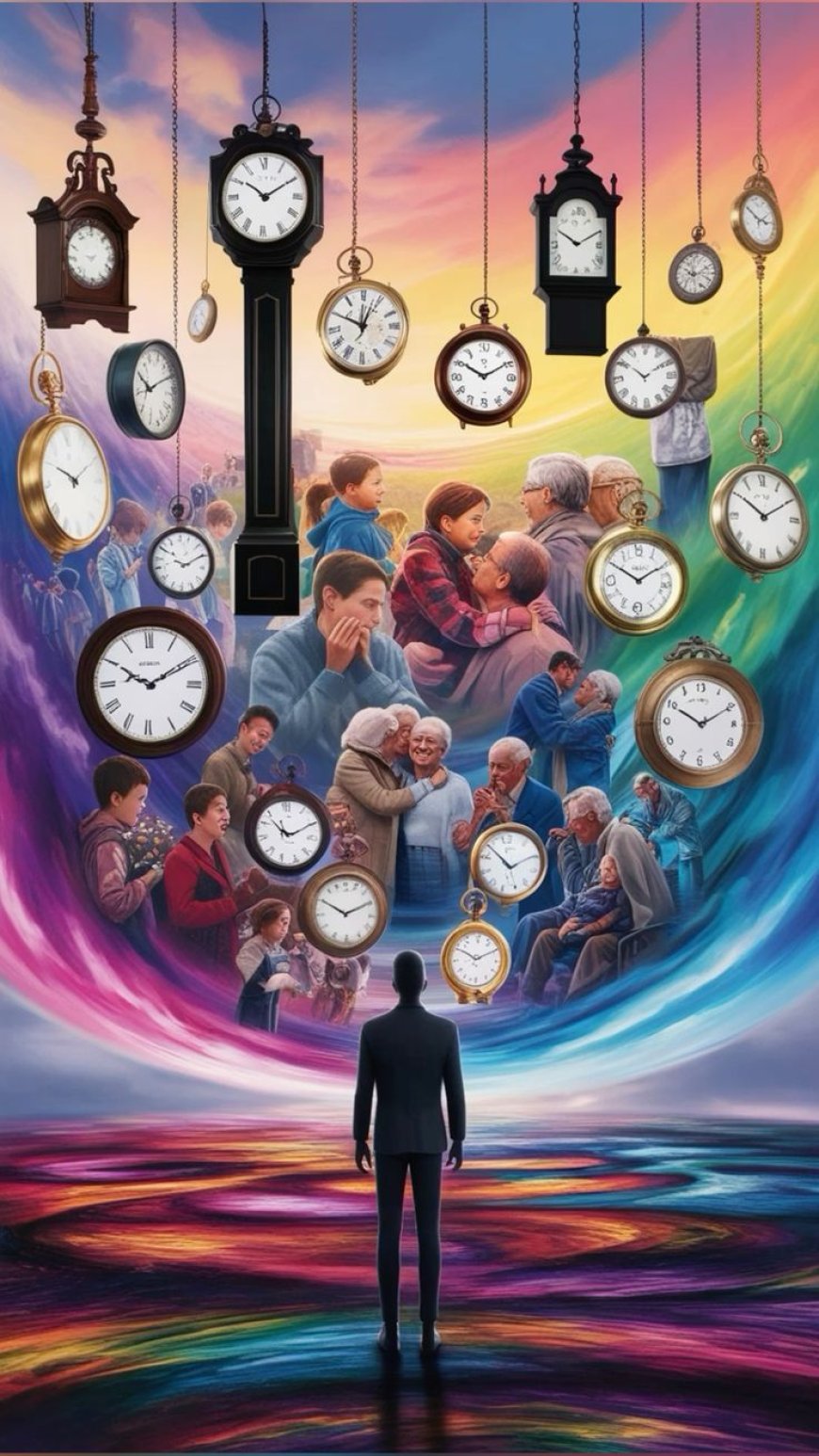
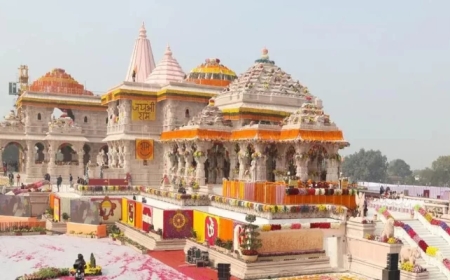
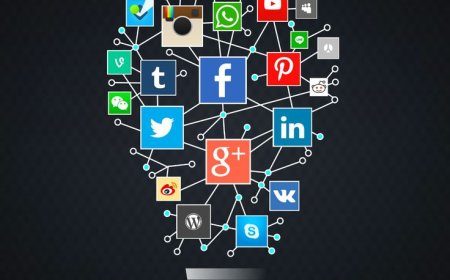
Digital technology has crept even into the most conservative of rituals. Weddings are aired to family members on different continents. Religious meetings now have virtual meetings. The social media campaigns, online communities, and digital art promote the festivals.
Instead of undermining tradition, this availability tends to make emotional ties stronger. Distanced people are able to take part, watch and feel as part of it. Technology has transformed cultural experiences into a universal experience and retained the emotional essence of cultural experiences.
The Ascendancy of Hybrid Cultural Identities
Living in the world of the Internet, identity has stopped being unique. Humans have to deal with various cultural forces at the same time, including local culture, international trends, and online culture. This has led to the birth of the hybrid identities where modernity and tradition co-exist.
Another one is the situation when a young professional might adhere to the ancient traditions in the household setting and use the global digital culture in the workplace. It is a balance between the larger cultural development, the one that appreciates tradition and welcomes change. Technology has simplified the way people explore cultures, and they can now make a choice of which one they identify with instead of an identity being imposed on them.
Difficulties: Speed, Dilution, and Commercialisation
Technology intensifies culture, but it also raises issues. Complex traditions may be simplified under the influence of rapid digital content. Rituals dangerously tend to be fads. Holy images can be made into aesthetics to get likes and interaction.
The problem of commercialisation also exists. Algorithms have the tendency of rewarding what is aesthetically attractive or emotionally stimulating, rather than culturally true. This brings about a conflict between Dorothy and Fame. Creators, educators and communities now have the duty of offering culture with dignity and context.
Technology: A Generational Transition
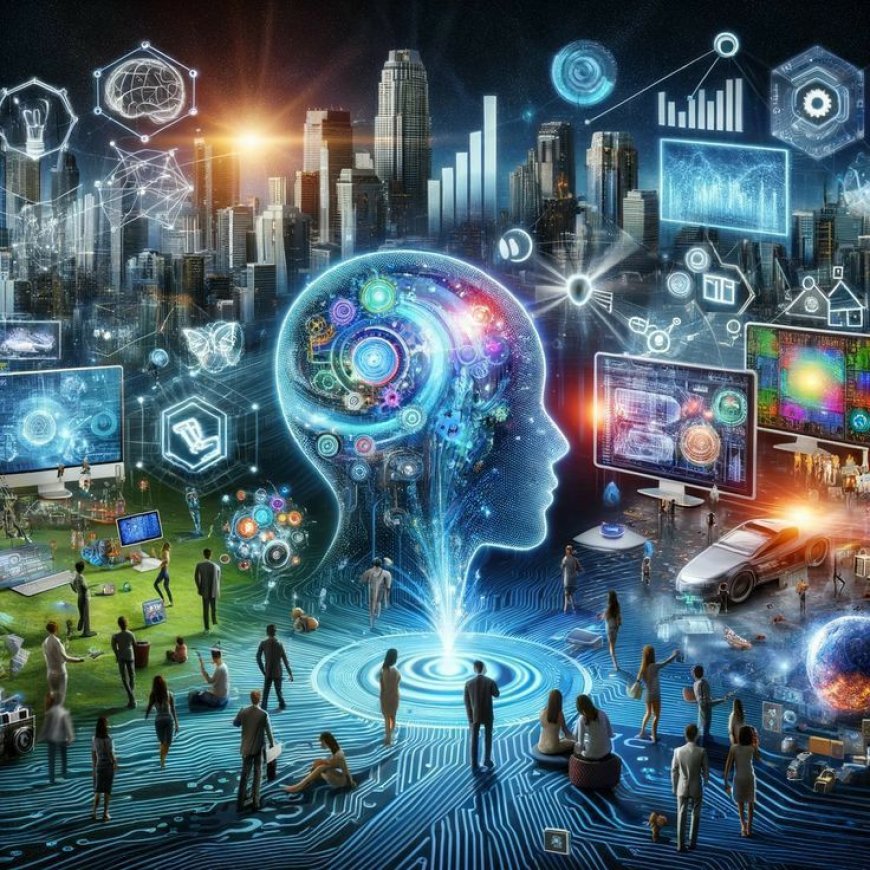
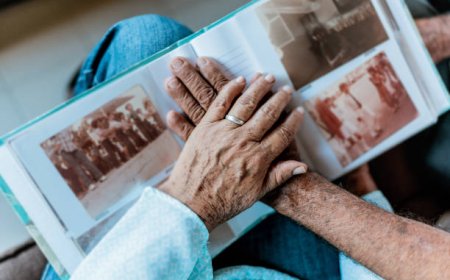
The fact that technology helped to bridge the generational gap is one of the most significant effects of technology. The elderly offer wisdom; the young generation, digital skills. When these strengths are united together, culture flourishes.
Online archives, community websites and storytelling sites enable families and communities to record their history. Technology is a no-go area in which memory and innovation collide. This collective effort makes sure that tradition is not stuck in one place but progresses with purpose.
The human element is a pivotal dimension
Culture remains very human despite all the developments. People can give meaning; information can be stored by technology. An online party still depends on emotional appeal. A digital story must have sincerity.
The digital era teaches us that technologies can evolve, whereas virtues remain. The central aspects of culture are respect, belonging, creativity and shared identity. Technology only provides new forms to communicate these eternal objects.
In the Future: Evolution, not Erasure
The technology of traditional meeting is not a tale of defeat; it is a tale of adjusting. The cultures have never remained the same and were responsive to the demands and realities of their days. The digital age is only another phase.
The only way culture can be sustained is through conscious assimilation, in adopting technology to maintain richness whilst adopting convenience. The collaboration between tradition and technology will result in a culture that is more inclusive, resilient and lively.
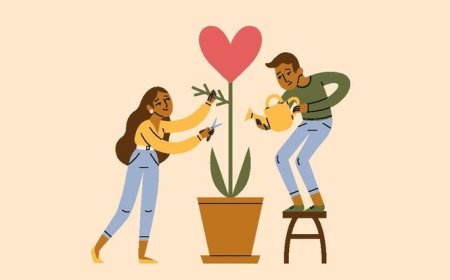
Eventually, culture is not an object that we preserve by drinking it down to ice. It is what we safeguard through letting it grow – it is something planted in the past, tuned in the present, and open to the future.
What's Your Reaction?
 Like
1
Like
1
 Dislike
0
Dislike
0
 Love
1
Love
1
 Funny
0
Funny
0
 Angry
0
Angry
0
 Sad
0
Sad
0
 Wow
1
Wow
1