Olympics 2026: Chock and Bates Target Gold
Olympics 2026 preparations intensify as Madison Chock and Evan Bates aim to defend their ice dance gold in Milano-Cortina.
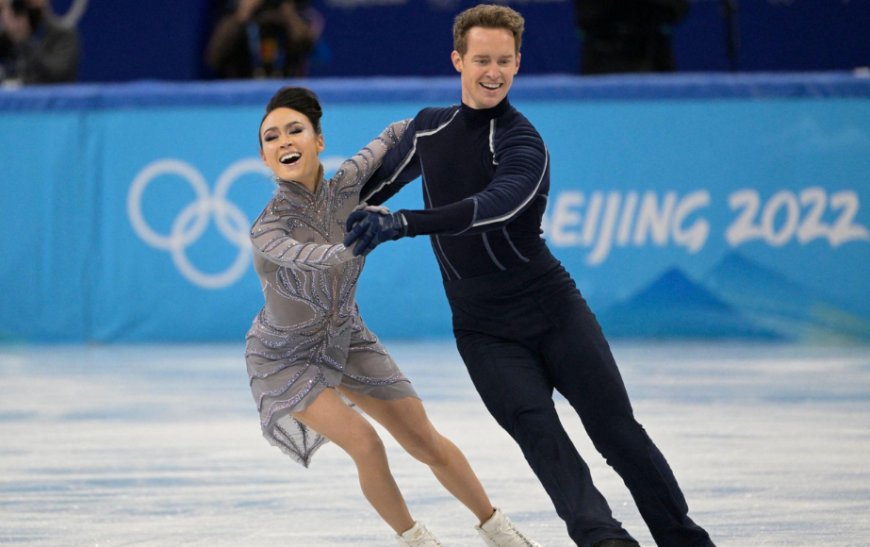
Defending Olympic champions Madison Chock and Evan Bates have intensified preparations for the Milano-Cortina Winter Games, positioning themselves as frontrunners in ice dance at the 2026. The American duo, who captured gold in Beijing 2022, enter the new Olympic cycle with renewed technical emphasis and competitive urgency as international rivals narrow the scoring margins.
The pair told ESPN that their focus has shifted from maintaining status to evolving performance standards. With qualification events approaching, the emphasis now lies on maximising execution precision under the International Skating Union’s scoring framework.
Madison Chock is a two-time World Champion and Olympic gold medallist in ice dance. Born on 2 July 1992 in Redondo Beach, California, she has represented the United States at four Winter Olympics. Known for expressive artistry and precision edge work, Chock combines athletic discipline with strong performance interpretation.
Road to Olympics 2026 After Beijing Triumph
Chock and Bates claimed Olympic gold on 14 February 2022 in Beijing, ending a 46-year wait for the United States to top the ice dance podium. Since then, they have secured multiple world championship titles and consistent Grand Prix victories, reinforcing their standing heading into 2026.
Their longevity as partners, skating together since 2011, provides competitive stability rare in elite ice dance. The duo have steadily increased technical base values across rhythm and free dance programmes while reducing deductions from edge violations and lift timing errors.
Officials within U.S. Figure Skating note that early-season results in 2025-26 will determine seeding advantages and influence Olympic qualification quotas. Consistency across ISU-sanctioned events remains critical.
Technical Adjustments Ahead of the Olympics 2026
Under the current ISU judging criteria, programmes are evaluated on both technical element scores and programme components such as skating skills, interpretation and composition. Chock and Bates have introduced more intricate step sequences and enhanced lift transitions to increase the Grade of Execution potential.
Recent competitions have seen the pair post combined scores above 220 points, a threshold generally associated with podium contention at major championships. Coaches have emphasised stamina conditioning and rotational speed in lifts to maintain performance intensity across the four-minute free dance.
Chock has publicly stated that emotional clarity and storytelling are being refined for Olympic impact, while Bates has highlighted mental preparation as central to replicating high-pressure performance standards seen in Beijing.
Competitive Field Intensifies Before the Olympics 2026
European contenders, particularly teams from France and Italy, have reduced scoring gaps in the 2025 Grand Prix season. Canadian pairs also remain consistent medal threats. Analysts tracking international results suggest that margins separating the top five teams often fall below two points, underscoring the importance of flawless execution.
At major ISU events last year, judges demonstrated increasing emphasis on clean transitions and synchronisation over risk-heavy choreography. That trend could shape medal outcomes at the 2026 Olympics, where technical panels are expected to apply stringent scrutiny.
Italy’s hosting of the Milano-Cortina Games adds competitive intrigue, with home support potentially influencing momentum for local athletes. Nevertheless, experienced teams such as Chock and Bates traditionally perform well in high-pressure environments.
Commercial and Broadcast Stakes
The Winter Games remain a significant commercial platform. The International Olympic Committee reported global broadcast audiences exceeding 2 billion cumulative viewers during Beijing 2022. Figure skating consistently ranks among the most-watched winter disciplines.
As reigning champions targeting success at the 2026, Chock and Bates have expanded endorsement portfolios across apparel and performance brands. Olympic medal prospects directly influence sponsorship valuations, particularly in North American and European markets.
Broadcasters anticipate robust ratings for ice dance finals in Milano, reflecting sustained interest in technically complex and artistically expressive events.
Qualification Path and Timeline
The United States will finalise its Olympic figure skating team following national championships in late 2025. Placement at the 2025 World Championships will determine quota slots for Milano-Cortina.
Training camps through mid-2026 will simulate Olympic judging panels and competition sequencing. Recovery protocols have been integrated into preparation cycles to minimise injury risk during peak conditioning phases.
Coaching staff remain cautious about overexposure before the Games, prioritising strategic event selection to maintain competitive sharpness without compromising endurance.
Outlook for Milano-Cortina
Chock and Bates enter the final Olympic year with statistical momentum, experience and refined technical content. Their challenge will be sustaining performance excellence as younger teams escalate difficulty levels.
If they maintain scoring trends seen in early 2026, the Americans will remain among the strongest candidates for gold. The margins at the elite ice dance level are slim, often decided by fractional execution differences.
As preparations intensify, the road to the Olympics 2026 will test resilience, adaptability and competitive discipline. For Chock and Bates, the pursuit is not merely about defending a title but redefining their place in the sport’s evolving technical era.
What's Your Reaction?
 Like
0
Like
0
 Dislike
0
Dislike
0
 Love
0
Love
0
 Funny
0
Funny
0
 Angry
0
Angry
0
 Sad
0
Sad
0
 Wow
0
Wow
0