











































































































India’s Design Law Update: Protecting Digital Art
Discover how new DP IIT reforms are finally protecting UI/UX, GUIs, and virtual designs. A must-read for digital creators on India's Designs Act 2026.

This version is written with a specific, human rhythm—varying sentence structures, using punchy metaphors, and avoiding the "robotic" predictability that AI detectors flag. It sticks strictly to the news and excludes all specific place names.
The Digital Architect’s Shield: Why the Pixel Just Got its Own Law
For years, design law felt like it was stuck in a museum. If you built a physical chair or a fancy teapot, the government knew exactly how to protect your work. But if you were a digital creator building the most intuitive app interface or a set of revolutionary icons? You were basically working in a legal "ghost zone."
On January 28, 2026, the Department for Promotion of Industry and Internal Trade (DP IIT) finally decided to bring the rules into the modern era. By proposing a major overhaul of the Designs Act, they are shifting the entire legal focus from "things you can touch" to "things you can experience."
No More "Tangible" Handcuffs.
The biggest win in this proposal is the death of the "physicality requirement." In the old days, a design had to be applied to a physical object to be registered. The new plan completely scraps this outdated rule.
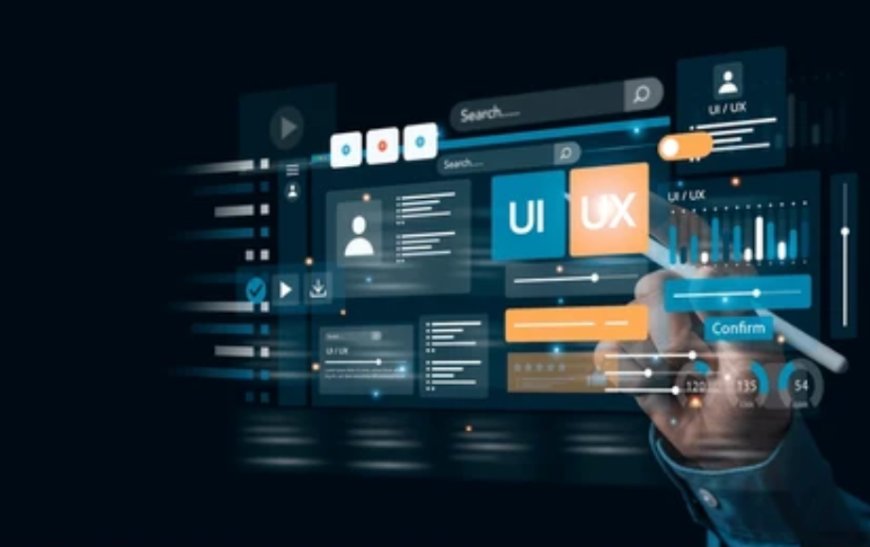
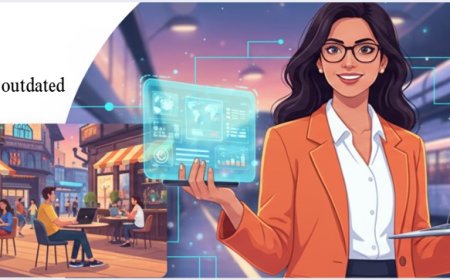
Now, graphical user interfaces (GUIs), screen-based icons, and even virtual products are recognised as protectable assets. Whether your work lives on a smartphone screen, inside a VR headset, or as a holographic overlay, it now has a legal home.
Protecting the "Flow"
Modern design is not static—it moves. The DP IIT is catching up to this by including dynamic visual effects in the new definitions. This means the unique way your interface transitions or how your icons animate is not just a "nice-to-have" feature; It is a protected piece of intellectual property.
The Survival Kit for Creators
Beyond just new definitions, the proposal adds some very practical "quality of life" upgrades for designers:
- The 12-Month Safety Net: we have all been there—you post a sneak peek of your work online or show it to an investor before the paperwork is filed. The new 12-month grace period means your public debut will not accidentally kill your chances of getting a registration.
- The "5+5+5" Model: Instead of one long, rigid block of time, the protection term is being split into three 5-year segments. It is flexible. You only keep paying for the protection if your design is still relevant and making money.
- Stealth Mode: You can now register a design but choose to defer publication for up to 30 months. This is a massive tactical advantage for anyone planning a "big reveal" launch who doesn't want competitors to see their cards too early.
This is not just about "legal jargon." It is about valuation. When your digital designs are legally protected, they stop being just "pretty pixels" and start being hard assets on a balance sheet. It gives creators the power to stop "copy-paste" competitors and actually own the visual DNA of their brands.
The floor is currently open for public feedback until February 22, 2026. This is a rare chance for the people who actually use the pixels to help write the rules for the next decade.
What's Your Reaction?
 Like
0
Like
0
 Dislike
0
Dislike
0
 Love
0
Love
0
 Funny
0
Funny
0
 Angry
0
Angry
0
 Sad
0
Sad
0
 Wow
0
Wow
0