How to Choose the Ideal Revenue Engine for Creators
Learn how creators can choose the ideal revenue engine by comparing subscriptions, virtual gifting, audience behaviour, and long-term growth goals.
The creator economy has matured beyond simple ad revenue and brand deals. Independent creators now rely on direct audience monetisation mechanisms that function almost like micro-economies within platforms. Among these, virtual gifting and subscriptions represent two structurally different income systems. Although both convert audience attention into earnings, they operate on entirely different psychological triggers and revenue timelines.
Understanding these differences is essential for creators deciding how to structure sustainable income.
Virtual Gifting: Revenue Driven by Emotion and Momentum
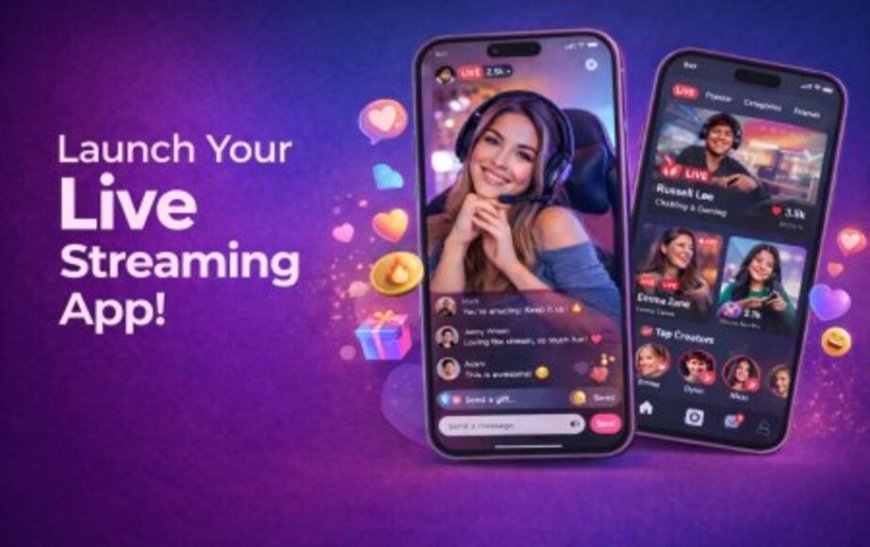
Virtual gifting is inherently event-based. It works best when attention peaks in real time during live streams, interactive Q&As, gaming sessions, performances, or high-engagement moments. Viewers send digital items such as coins, badges, animations, or stickers, which creators later redeem for cash.
The defining characteristic of gifting is emotional immediacy. Financial support often occurs at moments of heightened excitement, a winning game move, a powerful performance, a humorous exchange, or a public acknowledgment from the creator.
This model benefits from three behavioral forces:
- Impulse activation – The friction to participate is low. Small digital purchases feel lightweight compared to long-term commitments.
- Public visibility – Many platforms display top contributors through leaderboards or highlighted comments. This creates status-based reinforcement.
- Reciprocal interaction—When creators acknowledge gifts live, supporters experience instant validation.
However, emotional revenue models fluctuate. A highly successful live event may generate substantial income, while a quieter month can produce limited returns. Gifting income depends heavily on the consistency of live presence and audience energy.
For creators whose strengths lie in performance, humor, spontaneity, or live engagement, gifting aligns naturally with their content style. For creators producing structured educational or pre-recorded content, the model may feel less compatible.
Subscriptions: Revenue Based on Continuity and Trust
Subscriptions operate on a fundamentally different foundation: commitment over impulse.
Subscribers pay recurring monthly or annual fees to access exclusive benefits, premium videos, members-only discussions, structured courses, early releases, or private communities.
The core strength of subscriptions lies in predictability. Once a subscriber base stabilizes, creators can forecast baseline income more accurately. This allows for long-term planning, investment in production quality, or reduced reliance on constant live streaming.
The subscription model is sustained by:
- Perceived long-term value
- Trust in consistent delivery
- Desire for exclusivity
- Belonging to a private community
Unlike gifting, subscriptions require credibility. New creators often struggle initially because subscribers must believe the recurring payment justifies continued access. The barrier to entry is psychological rather than technical.
Yet once established, subscription ecosystems tend to produce steadier income curves. Growth may be slower than viral gifting spikes, but churn rates often stabilize when content quality remains consistent.
Revenue Volatility vs Revenue Predictability
The financial distinction between these models becomes clear when comparing income patterns.
Virtual gifting produces sharp peaks tied to specific events. Revenue may surge during viral moments, collaborations, or high-attendance live sessions. Outside those peaks, income may decline rapidly.
Subscriptions generate smoother curves. Monthly recurring revenue reduces exposure to algorithm shifts or fluctuating reach. Even when public visibility decreases temporarily, subscribers may remain.
This does not imply one system is superior. Instead, they respond to different audience behaviours.
Event-driven communities respond strongly to gifting.
Value-driven communities respond more reliably to subscriptions.
Audience Demographics and Behaviour Patterns
Audience composition influences monetization outcomes.
Younger digital native audiences often adapt quickly to microtransactions. Small payments during live interaction feel natural within gaming and streaming cultures.
Professional audiences, niche learners, or specialized interest groups may prioritize structured value.
They often prefer recurring access to curated information rather than spontaneous gifting.
Additionally, the size of the creator matters. Established creators with loyal followings convert more easily to subscription models because audience trust already exists. Emerging creators may find gifting more accessible because it requires lower commitment from supporters.
Sustainability and Creator Burnout
Monetization models also influence workload patterns.
Gifting-heavy creators may feel pressure to remain alive frequently. Revenue correlates with visibility and real-time participation. Extended breaks can directly reduce earnings.
Subscription-focused creators must deliver consistent value but may structure content production more strategically. Instead of constant broadcasting, they can design periodic releases or tiered access schedules.
Both systems carry risk:
- Gifting risks revenue instability.
- Subscriptions risk subscriber churn if quality declines.
The optimal balance depends on the creator’s capacity for live interaction versus structured content production.
Hybrid Monetisation: Structural Diversification
Increasingly, creators combine both systems. Subscriptions provide baseline stability. Gifting supplements income during live sessions or special events.
Hybrid strategies may include:
- Subscriber-only badges during live streams.
- Discounted gifting perks for members
- Priority recognition for recurring supporters
- Exclusive live rooms for subscribers
This layered structure distributes risk. If live performance revenue dips, subscriptions maintain continuity. If subscriber growth slows, gifting can offset it during high-engagement periods.
Diversification reduces dependency on a single behavioral trigger.
Choosing a Strategic Fit
Selecting between gifting and subscriptions should not be based on trend popularity. It should reflect:
- Content format (live vs structured)
- Audience engagement style
- Community maturity level
- Creator energy capacity
- Long-term income planning goals
Creators who thrive on immediacy may prioritize gifting.
Creators building expertise-driven communities may prioritize subscriptions.
Many will find equilibrium between the two.
The creator economy continues evolving, but the central principle remains consistent: revenue models must align with audience psychology, not just platform features.
What's Your Reaction?
 Like
0
Like
0
 Dislike
0
Dislike
0
 Love
0
Love
0
 Funny
0
Funny
0
 Angry
0
Angry
0
 Sad
0
Sad
0
 Wow
0
Wow
0

Kulshreshth Chaturvedi
I’m Kulshreshth Chaturvedi, a writer and author specialising in creative writing, blogs, and professional content. I write on literature, ideas, and modern perspectives, focusing on clear, engaging, and well-structured storytelling. My goal is to create meaningful writing that inspires readers, builds connections, and delivers real value through words.