
Telehealth in Real-Time: Revolutionizing Modern Healthcare
Telehealth in real-time is transforming the way healthcare services are delivered by enabling instant interaction between patients and healthcare providers through digital technologies. Using video consultations, live chats, remote monitoring devices, and mobile health apps, real-time telehealth allows medical care to be accessed anytime and anywhere—eliminating geographical barriers and reducing the need for in-person visits. This approach enhances patient convenience by providing quick access to doctors, specialists, and mental health professionals, especially for individuals in remote or underserved areas. Real-time telehealth also improves clinical efficiency, allowing healthcare providers to diagnose conditions, review symptoms, monitor vital signs, and recommend treatments promptly. For chronic disease management, continuous real-time monitoring helps detect early warning signs and prevents complications. Additionally, real-time telehealth reduces healthcare costs by minimizing hospital admissions, travel expenses, and waiting times. It plays a critical role during emergencies and public health crises by ensuring uninterrupted care while maintaining safety. With advancements in AI, wearable devices, and high-speed internet, telehealth in real-time is shaping a more responsive, accessible, and patient-centered healthcare system for the future.
INTRODUCTION
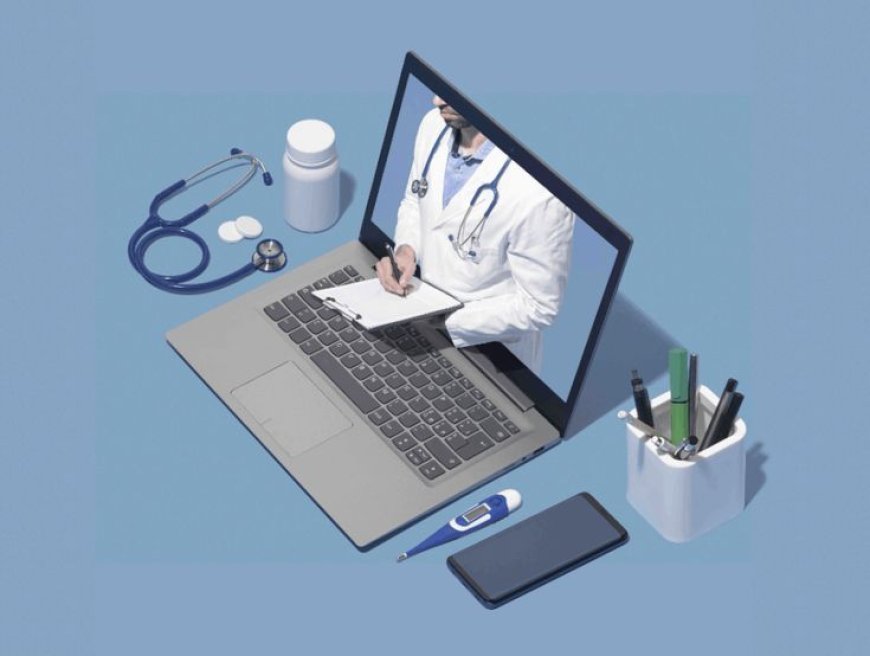 In recent years, healthcare has undergone a significant transformation, fueled by technological advancements and a growing demand for accessible, efficient care. Among the most significant innovations is real-time telehealth, which allows patients and healthcare providers to connect instantly through digital platforms, bridging the gap between traditional medical visits and modern technology. This approach has not only improved access to medical services but has also profoundly improved the patient experience in profound ways.
Understanding Real-Time Telehealth
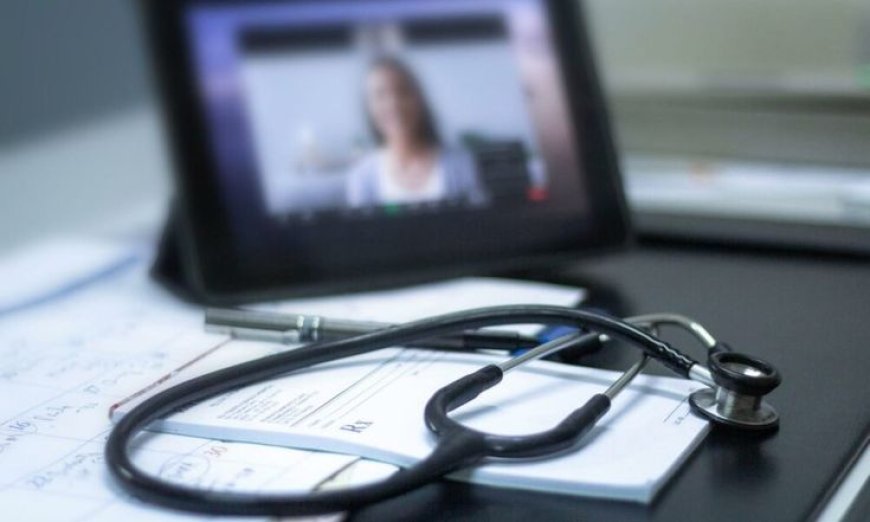
 Real-time telehealth, often referred to as synchronous telemedicine, involves live interactions between patients and healthcare providers using video conferencing, phone calls, or secure messaging. Unlike asynchronous telehealth, where patients send information and receive responses later, real-time telehealth enables immediate consultation, diagnosis, and treatment recommendations. This instant communication is particularly valuable for urgent care situations, chronic disease management, mental health counseling, and follow-up visits.
Benefits for Patients and Providers

The advantages of real-time telehealth extend to both patients and healthcare professionals. For patients, it eliminates geographical barriers, reduces travel time, and provides access to specialists who may not be available locally. This is especially crucial for individuals in rural or underserved areas, where healthcare facilities may be limited. Furthermore, telehealth reduces waiting times and offers a convenient way for patients to receive care from the comfort of their homes, which is particularly important for those with mobility issues or contagious illnesses.
Healthcare providers also benefit from real-time telehealth. It allows doctors, nurses, and therapists to manage their schedules more efficiently, seeing more patients without the constraints of physical office space. Telehealth platforms often include tools for digital record-keeping, secure patient data management, and real-time monitoring, enabling clinicians to make more informed decisions quickly. Additionally, it fosters better communication and continuity of care, as providers can conduct virtual check-ins and monitor treatment progress without requiring frequent in-person visits.
Technological Enablers
 Several technologies have made real-time telehealth possible. High-speed internet, secure video conferencing software, and mobile health applications are central to delivering seamless virtual care. Wearable devices and remote monitoring tools, such as glucose monitors, blood pressure cuffs, and heart rate trackers, provide real-time health data to clinicians, further enhancing the effectiveness of virtual consultations. These innovations ensure that patients receive accurate assessments and timely interventions, even when physical examinations are limited.
Challenges and Considerations
 Despite its many advantages, real-time telehealth also presents challenges. Privacy and data security are paramount concerns, as sensitive health information is transmitted digitally. Providers must ensure compliance with regulations such as HIPAA in the United States and other local healthcare privacy laws. Technical issues, such as poor internet connectivity or software glitches, can disrupt consultations and affect the quality of care. Additionally, not all medical conditions can be effectively treated remotely, and in-person visits remain essential for complex diagnoses and procedures.
The Future of Real-Time Telehealth
 Looking ahead, real-time telehealth is expected to become a standard component of healthcare systems worldwide. Advancements in artificial intelligence, machine learning, and predictive analytics are likely to enhance diagnostic accuracy and personalized care in virtual settings. Integration with electronic health records (EHRs) and telemonitoring tools will further streamline healthcare delivery, making it more proactive, patient-centered, and data-driven.
conclusion
Real-time telehealth is revolutionizing the way healthcare is delivered, providing convenience, accessibility, and efficiency for both patients and providers. While challenges remain, ongoing technological innovation and thoughtful implementation will continue to expand its potential, making quality healthcare more accessible than ever before.
What's Your Reaction?
 Like
0
Like
0
 Dislike
0
Dislike
0
 Love
0
Love
0
 Funny
0
Funny
0
 Angry
0
Angry
0
 Sad
0
Sad
0
 Wow
0
Wow
0