
Adani Power Steps Into Nuclear Energy Push
Adani Power steps into nuclear energy with a new atomic unit after policy reform. See what this means for India’s power sector growth.
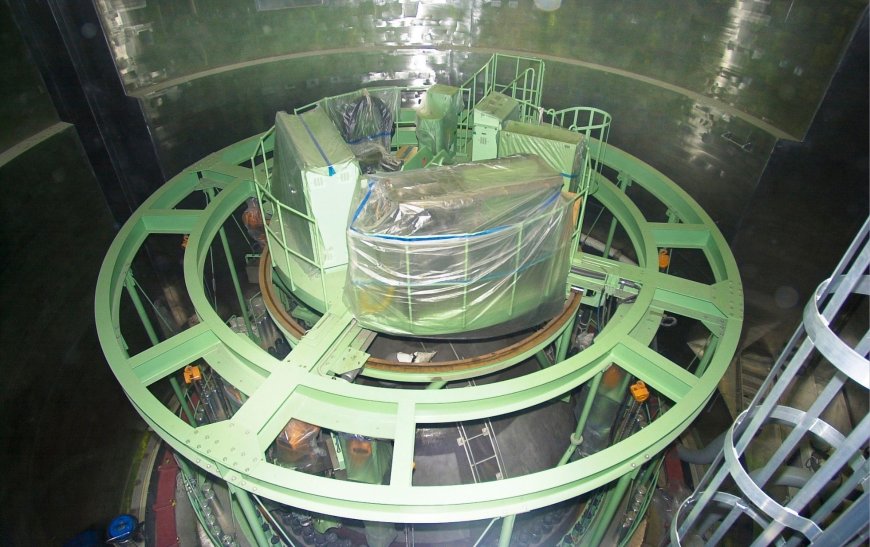
Adani Power has formally entered India’s nuclear energy sector by establishing a dedicated unit to generate, transmit and distribute electricity from atomic sources, advancing its broader strategy to decarbonise its power portfolio and align with evolving national energy policy.
Adani Power Steps Up Nuclear Push Amid Policy Shift
On 12 February 2026, Adani Power announced the incorporation of Adani Atomic Energy Limited, a wholly owned subsidiary aimed at spearheading the company’s move into nuclear energy. The announcement follows rapid legislative changes in India’s atomic energy framework, including the passage of reforms that permit private sector participation.
The new unit will undertake the generation, transmission, and distribution of nuclear-sourced electricity, a marked departure from Adani Power’s traditional focus on thermal and renewable energy generation. Initial capital for the unit was set at a nominal ₹5 lakh on incorporation filings.
Industry analysts say the move represents one of the most consequential private sector entries into nuclear energy since India opened the sector under the SHANTI Act, the Sustainable Harnessing and Advancement of Nuclear Energy for Transforming India Act, passed by Parliament in December 2025. The reforms ended decades of near-exclusive state control by entities like the Nuclear Power Corporation of India Ltd (NPCIL), enabling private firms to pursue licensing and plant operations.
Timeline and Strategic Context
The push toward private nuclear participation traces back to late 2025, when lawmakers amended the Atomic Energy Act to permit both domestic and foreign investment in commercial nuclear power projects. Under the new regime, companies can seek licences to build and run atomic power infrastructure within regulatory safety frameworks overseen by the Atomic Energy Regulatory Board.
Adani Power’s announcement follows a series of reports about the conglomerate’s broader nuclear ambitions, including discussions with state governments to potentially build small modular reactors (SMRs), compact units typically around 200 MW each under public-private partnership structures. Combined capacity under those discussions could exceed 1.6 GW if realised.
Senior company officials have characterised the new atomic unit as a long-term investment to gradually transition the group’s generation portfolio, moving away from reliance on coal-based capacity toward base-load, low-carbon sources. While Adani Power operates several gigawatts of thermal plants across India today, leadership forecasts that nuclear deployment could reshape its generation mix over the next decade.
Policy, Numbers and Regulatory Drivers
Adani Power’s nuclear initiative is closely linked to broader policy incentives and national spending patterns. In the Budget 2026-27, the government extended customs duty exemptions on imported plant and equipment for nuclear power projects through 2035, irrespective of project size. The same budget allocated ₹24,123.92 crore to the Department of Atomic Energy, including ₹9,966.41 crore for capital expenditure, signalling stronger federal backing for sector expansion.
India’s nuclear generation capacity remains modest compared with its total grid footprint; state-run nuclear plants amounted to about 8.8 GW capacity prior to private sector entry. The SHANTI Act, backed by nuclear licensing frameworks and safety oversight measures, sets targets to increase nuclear output potentially toward 100 GW by 2047, a long-term national ambition to balance base-load clean energy alongside renewables.
Policy changes have also highlighted opportunities for international participation. Foreign firms can now collaborate with Indian partners to share technology and services, especially in areas like advanced reactor design and small modular reactors, bringing fresh capital and expertise into the sector.
Market and Economic Implications
Adani Power’s shift into nuclear generation arrives at a time of shifting energy market dynamics in India. Thermal generation has faced pressures from rising coal costs, emissions compliance costs and fluctuating demand patterns, prompting large power producers to diversify. Nuclear, with low operating fuel costs and minimal carbon emissions, can offer steadier baseload supply that supports grid stability at scale.
Market analysts note that as India prepares to expand nuclear capacity, private entries like Adani’s could unlock fresh investor interest in long-duration clean power infrastructure. Institutional capital markets have shown an appetite for renewable and low-carbon energy assets, and nuclear generation could represent a new category of investment vehicles for asset allocators. However, capital intensity and regulatory complexity in nuclear projects typically carry higher risk profiles relative to wind or solar assets.
Adani Power’s shares reacted modestly to the announcement, with prices finishing slightly higher in midday trading on 11 February 2026, suggesting cautious investor optimism about the company’s strategic pivot.
Forward-Looking Outlook Based on Official Statements
Company executives have refrained from specifying precise timelines for deployment of full nuclear capacity, but they emphasise that the new unit provides a structural foundation for long-term expansion. Public filings indicate that Adani Power will pursue regulatory approvals, land allocations, and technology partnerships as next steps, with a particular focus on integrating nuclear generation into future grid plans.
Officials also pointed to prospective collaborations with international nuclear technology providers, aiming to balance safety standards with cost-effective deployment. Industry watchers believe such partnerships could accelerate India’s ambition to scale nuclear generation while bolstering indigenous supply chains.
The broader energy landscape in India is now at a potential inflexion point, as traditional power producers adapt to cleaner generation pathways and seek competitive advantage in emerging sectors that government policy has only recently opened to private enterprise.
What's Your Reaction?
 Like
0
Like
0
 Dislike
0
Dislike
0
 Love
0
Love
0
 Funny
0
Funny
0
 Angry
0
Angry
0
 Sad
0
Sad
0
 Wow
0
Wow
0

Vijay Chaudhary
I’m Vijay Chaudhary, a writer and author specializing in creative writing, blogs, and professional content. I write on business, ideas, and modern perspectives, focusing on clear, engaging, and well-structured storytelling. My goal is to create meaningful content that informs, connects, and adds real value for readers.