India–US Trade Deal Resets Tariffs and Markets
India and the US strike a major trade deal cutting tariffs, reshaping energy ties, and lifting market sentiment amid shifting global power dynamics.
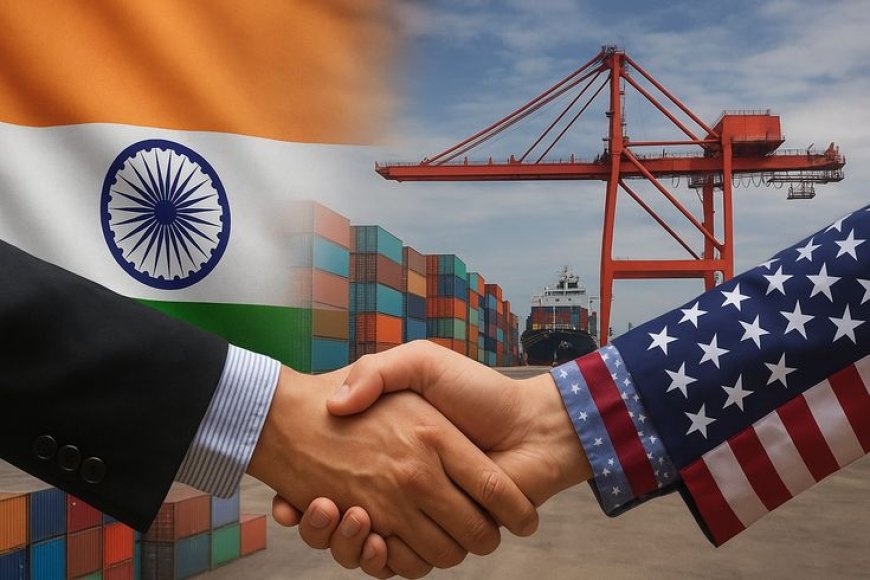
India–US Trade Deal: Tariffs, Markets, and a New Power Balance
On 2 February 2026, India and the United States broke a long-running trade deadlock by announcing a new bilateral agreement that could reshape tariffs, energy flows, and market sentiment in both countries. Following a call with Prime Minister Narendra Modi, US President Donald Trump confirmed that Washington would cut its “reciprocal” tariff on Indian goods from 25% to 18%. In return, New Delhi signalled sharp reductions in tariffs and non-tariff barriers across a wide range of US products.
While the deal has already triggered a relief rally in Indian markets, its deeper significance lies in how it alters sector-level competitiveness, energy security choices, and India’s broader geopolitical positioning.
What Exactly Has Been Agreed?
At its core, the agreement focuses on tariff reductions and market access.
According to official statements, the US will lower tariffs on Indian exports—previously raised to 25% under the “reciprocal tariff” framework—to 18%. This provides immediate relief to export-oriented sectors such as textiles, engineering goods, and certain manufacturing segments that depend heavily on US demand.
In exchange, India has indicated it will reduce tariffs and non-tariff barriers on several US product categories to near-zero levels. These include energy, technology, agriculture, and coal-related products. The scope of the deal goes beyond goods trade, with reports suggesting that India has also committed to significantly altering its energy import strategy.
US officials have spoken of India potentially purchasing over $500 billion worth of American energy, technology, agricultural, and coal products over the long term, making this one of the most ambitious commercial understandings between the two countries.
Immediate Reaction in Indian Markets
Financial markets responded swiftly and positively.
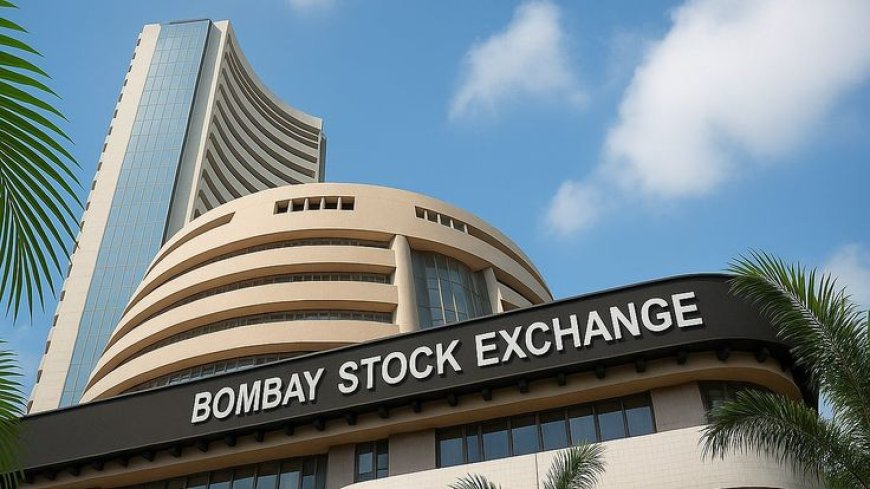
Ahead of the 3 February trading session, GIFT Nifty futures surged nearly 800 points, signalling a strong opening. On 2 February itself, the Nifty 50 jumped more than 260 points, closing near 25,088 after briefly crossing 25,100 intraday. The rally helped reverse the cautious sentiment that had followed India’s 2026 Union Budget.
For months, uncertainty around US tariffs had weighed on export-focused sectors and overall investor confidence. Market participants now see the trade deal as removing a key overhang, particularly at a time when higher securities transaction tax (STT) and other budget measures had increased trading costs and dampened risk appetite. Improved access to the US market could partially offset these domestic headwinds.
Energy and Geopolitics: A Strategic Pivot
Perhaps the most consequential element of the agreement is India’s apparent decision to scale back purchases of Russian crude oil and instead ramp up imports from the US, and potentially Venezuela, over the coming years.
Since the Ukraine conflict, discounted Russian oil has played a central role in keeping India’s energy import bill under control. Moving away from that arrangement will force New Delhi to recalibrate its energy strategy, balancing price considerations against geopolitical alignment and supply security.
For Washington, the benefits are twofold: reducing Moscow’s oil revenues while securing India as a long-term, large-scale buyer of US energy exports. Strategically, the deal strengthens US–India alignment within a broader Western framework, even as it tests India’s long-standing commitment to strategic autonomy.
Sectoral Winners and Losers
The impact of the deal will not be uniform across industries.
Likely winners in India include export-oriented sectors that had been under pressure from high US tariffs. Textile manufacturers, engineering firms, and select auto-component companies could see margin relief and improved pricing power as tariff barriers fall, provided global demand remains stable.
However, the picture is more complicated for Indian agriculture and domestic manufacturing. If India meaningfully cuts tariffs and non-tariff barriers on US agricultural products, American dairy, cereals, oilseeds, and processed foods could gain market share. Without productivity gains or value addition, local producers may struggle to compete, raising concerns around farm incomes and rural employment.
Energy companies also face mixed outcomes. Public-sector refiners that benefited from discounted Russian crude may encounter margin pressure if they switch to higher-cost US supplies. That said, long-term contracts with US producers could offer more predictable supply, better financing terms, and insulation from sanctions-related risks.
What This Means for Markets Going Forward
For now, equity markets are treating the India–US trade deal as a clear positive. The sharp move in GIFT Nifty and the rebound in benchmark indices indicate that investors view the agreement as reducing tariff risk, improving export visibility, and strengthening strategic ties between New Delhi and Washington.
Yet, important risks remain. A sustained shift away from discounted Russian oil could raise India’s energy import bill, potentially pressuring inflation and the current account deficit, especially in a volatile global oil market. Politically, changes in leadership or policy priorities in either country could test the durability of the agreement. Domestically, insufficient safeguards for vulnerable sectors—particularly small farmers and low-margin manufacturers—could create social and economic tensions.
Bottom Line
Even with these caveats, the 2 February 2026 announcement is a bold geopolitical and economic signal. India is positioning itself as a major open-economy partner to the US and the broader West, willing to take calculated risks in trade and energy policy to support long-term growth.
Whether the market’s initial enthusiasm translates into a durable structural re-rating will depend on the fine print: revised tariff schedules, sector-specific rules, and concrete energy contracts. Over the coming weeks, those details will determine whether this deal marks a genuine reset in India–US economic relations—or simply another short-lived relief rally.
What's Your Reaction?
 Like
0
Like
0
 Dislike
0
Dislike
0
 Love
0
Love
0
 Funny
0
Funny
0
 Angry
0
Angry
0
 Sad
0
Sad
0
 Wow
0
Wow
0