













































































































































































How Automation Is Redefining Everyday Jobs Today?
Automation is reshaping everyday jobs by improving efficiency, changing skill demands, and redefining the future of work across industries.
Introduction: The New Era of Work
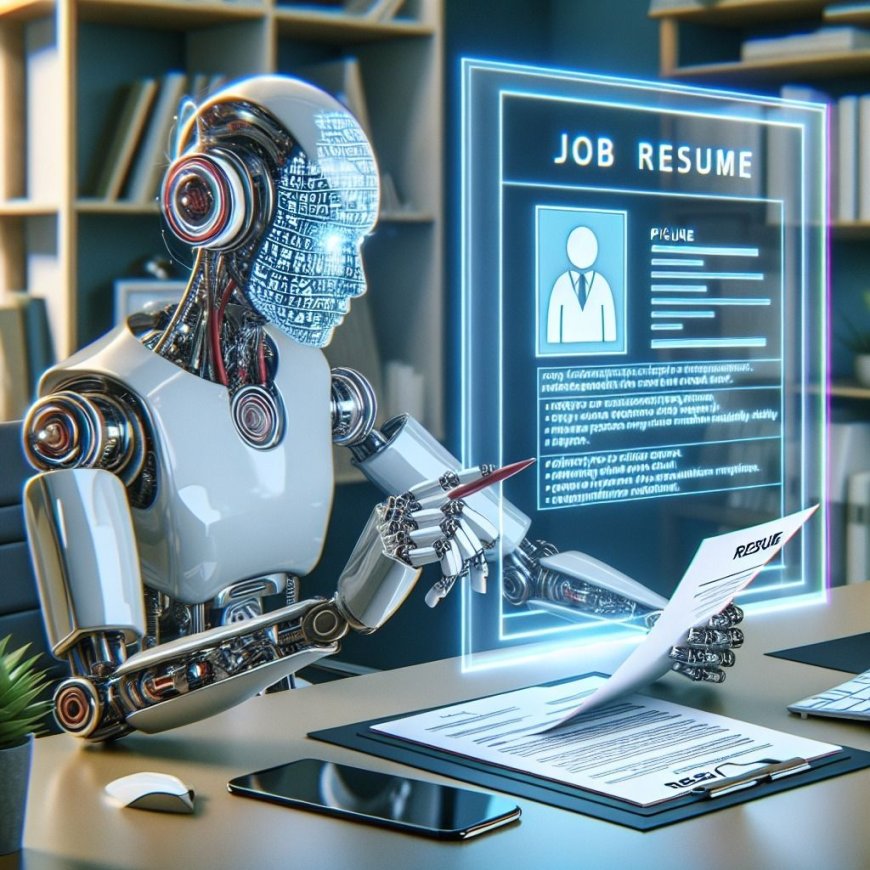
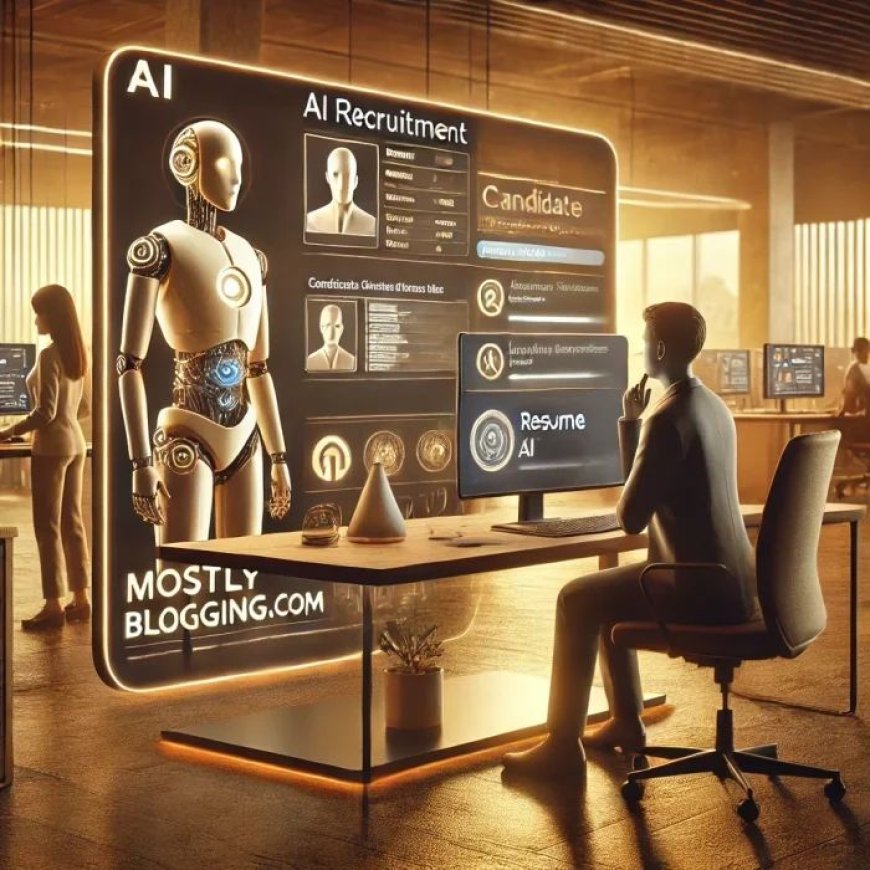
Automation has rapidly moved from being a futuristic concept to a practical reality shaping everyday jobs. Technologies such as artificial intelligence (AI), machine learning, robotics, and software automation are now embedded in offices, factories, hospitals, and service industries. Rather than simply replacing human workers, automation is redefining how work is done, improving efficiency, and transforming job roles across sectors.
Automation in Routine and Administrative Tasks
One of the most immediate effects of automation can be seen in administrative and office-based roles. Automated software now manages tasks such as data entry, invoice processing, payroll, scheduling, and reporting. These systems reduce human error and significantly cut down the time required to complete repetitive work. As a result, employees are shifting their focus toward strategic planning, analysis, and creative problem-solving, making office jobs more value-driven than task-oriented.
Transformation of Customer Service and Retail Roles

Customer service and retail industries have embraced automation to enhance speed and convenience. Chatbots, virtual assistants, and automated response systems handle common customer queries, order tracking, and appointment bookings. Self-checkout machines and smart kiosks are becoming standard in retail environments. While these tools reduce dependency on manual labor, they also create new roles in customer experience management, technical support, and digital operations, reshaping rather than eliminating jobs.
Impact of Automation on Manufacturing and Logistics
Manufacturing and logistics have experienced some of the most significant benefits of automation. Robotic systems perform assembly, packaging, and quality checks with high accuracy and consistency. Automated warehouses use AI-powered systems to manage inventory, sort products, and optimize delivery routes. These advancements not only increase productivity but also improve workplace safety by reducing human exposure to physically demanding and hazardous tasks. Workers are increasingly transitioning into supervisory, technical, and maintenance roles.
Automation in Healthcare and Professional Services
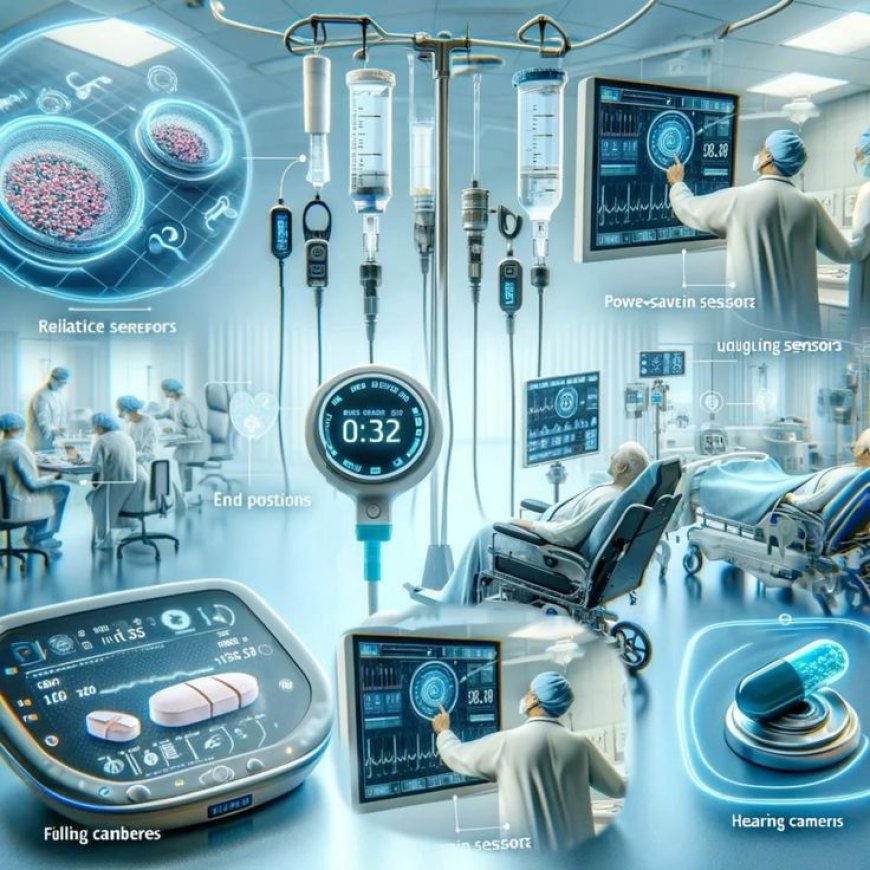
In healthcare, automation supports professionals rather than replacing them. AI-powered diagnostic tools assist doctors in analyzing medical images, identifying diseases, and predicting patient outcomes. Automated record management systems reduce administrative workloads, allowing healthcare workers to spend more time with patients. Similarly, in legal and financial services, automation helps analyze large datasets, prepare reports, and detect patterns, improving accuracy and efficiency in decision-making.
Changing Skill Requirements in an Automated Workplace
As automation becomes more widespread, the demand for new skills is rising. Technical literacy, data analysis, and the ability to work with automated systems are increasingly important. At the same time, human-centric skills such as creativity, communication, emotional intelligence, and adaptability are gaining value. These skills enable workers to perform tasks that machines cannot replicate, making continuous learning and upskilling essential for career growth.
Challenges and Concerns Around Job Automation
Despite its advantages, automation also presents challenges. Job displacement remains a concern, particularly for roles heavily dependent on repetitive tasks. Workers may face uncertainty as industries evolve. Addressing this requires strong reskilling initiatives, workforce training programs, and collaboration between governments, businesses, and educational institutions. Ethical considerations, including data privacy and responsible use of AI, must also be carefully managed.
The Future of Work: Humans and Machines Together
The future of everyday jobs lies in collaboration between humans and machines. Automation will continue to handle efficiency-driven tasks, while humans focus on decision-making, creativity, and empathy. Organizations that adopt automation strategically and invest in employee development will be better positioned for long-term success.
Conclusion: Adapting to an Automated World

Automation is fundamentally redefining everyday jobs by reshaping workflows, enhancing productivity, and changing skill requirements. While challenges exist, the opportunities created by automation far outweigh the risks when managed responsibly. By embracing change and focusing on continuous learning, individuals and organizations can thrive in an increasingly automated world.
What's Your Reaction?
 Like
0
Like
0
 Dislike
0
Dislike
0
 Love
0
Love
0
 Funny
0
Funny
0
 Angry
0
Angry
0
 Sad
0
Sad
0
 Wow
0
Wow
0