






































































































































































How EWS Combines Email, WhatsApp, and SMS for Maximum Reach
Learn how EWS uses Email SMS WhatsApp alerts together to deliver fast, reliable, and wide-reach emergency communication during critical situations.
Introduction
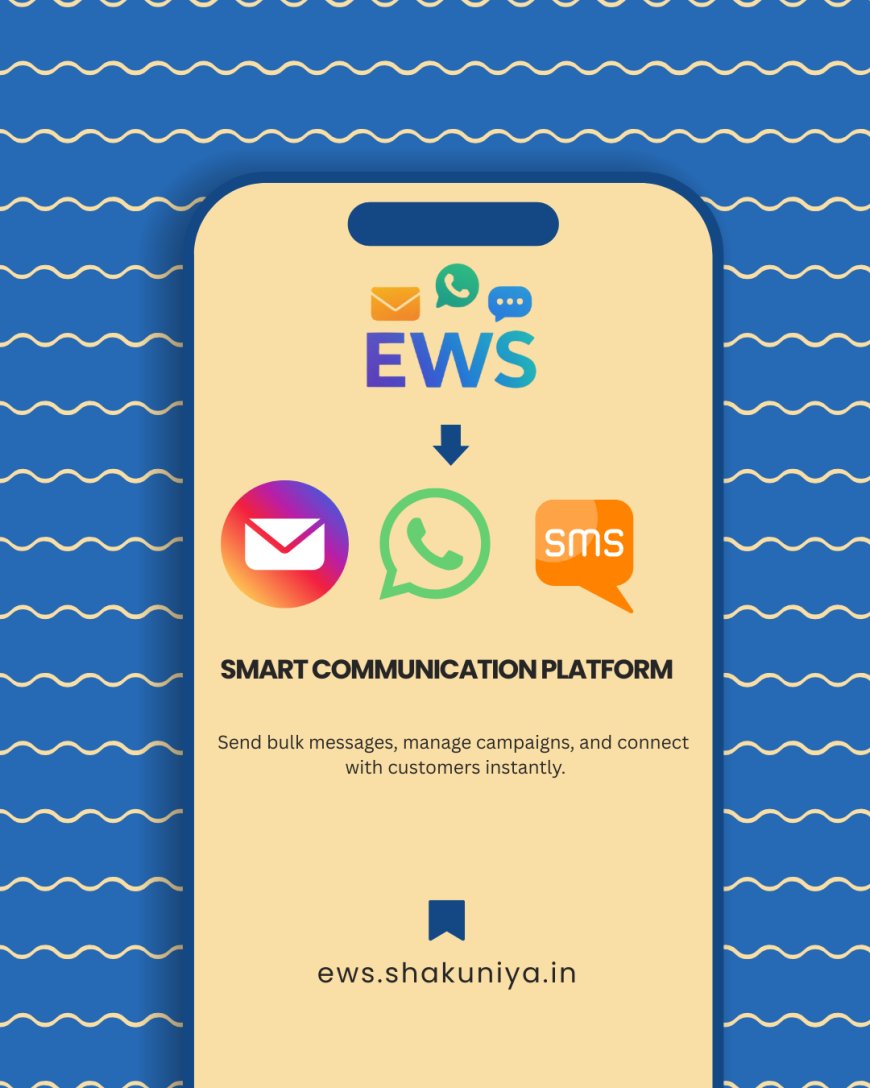
When faced with emergencies, people need to be contacted as fast as possible, regardless of anything. Late arrivals, messages lost or misunderstood may cause severe issues. This is where an Emergency Warning System (EWS) would be necessary. The synergistic effect of the EWS in the case of people receiving WhatsApp alerts, also through email and SMS, will make sure that the most important information is delivered to the largest number of people possible, with no confusion. The channels have their own roles, and they form a powerful and dependable network of communication that is effective in real life.
An Emergency Warning System (EWS)
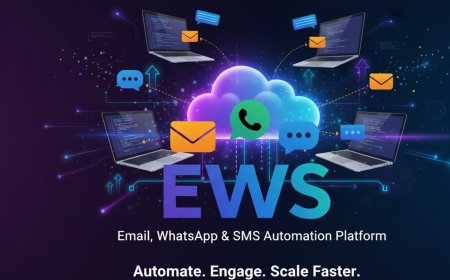
An Emergency Warning System is a communication channel used to transmit alerts in cases of an emergency, such as a natural calamity, service failure, health crisis, or security risk. EWS has one and only objective: to deliver the right message to the right people at the right time. Modern EWS platforms combine Email, SMS, and WhatsApp alerts, relying on them rather than a single approach to communication, to ensure message delivery rather than failure.
What Makes Email, SMS, and WhatsApp Alerts Better Together?
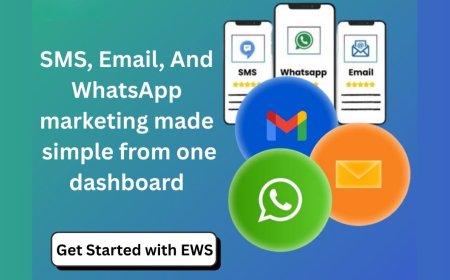
Individuals embrace various platforms on a daily basis. There are those who check their emails frequently, others who reply immediately via WhatsApp, and others who use SMS, particularly when the internet is not good. All three are put together in EWS so that nobody is excluded. When one channel fails or is neglected, the message is transmitted to the users via another channel. Such a multi-channel strategy creates trust and enhances the response rate in case of an emergency.
Email role in EWS Communication.
Email with Specifics of Emergency.
Email is ideal for relaying information that is comprehensive and well-organized. With the help of email alerts, EWS may send out safety orders, official notices, location updates, and follow-up information. Emails can be conveniently saved, transferred, and read when convenient. To companies, email is also a formal means of communication in times of crisis.
WhatsApp in EWS Communication.
WhatsApp to Instant and High-Engagement Alerts.
WhatsApp is among the quickest methods of contacting individuals in the present day. Messages become opened in a short period of time and look personalized. EWS relies on WhatsApp to provide instant alerts or short warnings, images, maps, or emergency links. Receipts and replies are also useful since authorities can know whether the messages have been received or not. This renders WhatsApp a strong medium of communication that is urgent and real-time
.
The use of SMS in EWS Communication.
SMS for Guaranteed Delivery
SMS is the surest method of delivery of an alert, particularly in case the internet is not available. It is compatible with any type of mobile phone, and it targets users even in isolated locations. EWS SMS messages are brief, precise, and clear. At the time of disasters or power outages, SMS makes sure that emergency communications are received in real-time
.
How EWS Reaches Maximum with Multi-Channel Alerts.
EWS manages all potential gaps in communication by integrating Email, SMS, and WhatsApp notifications. The same message is delivered to the users on different platforms, which enhances visibility and comprehension. Such repetition alleviates panic and confusion and enhances the response time. It also translates to the control, the rapid action, and improved outcomes of public safety for organizations.
Advantages of using email, SMS, and WhatsApp Alerts in EWS.
Much broader coverage of the different age groups.
Faster emergency response
Less chance of lost notifications.
Greater credibility through repetitive communication.
Improved response when there is a crisis.
This will enable the EWS to be more reliable and helpful in real-time emergencies.
Conclusion
When the Emergency Warning System is combined with or used with Email, SMS, and WhatsApp alerts, it is really powerful. The channels complement each other, and the communication network is very strong and can work even in cases of pressure. This multi-channel approach is used to save time, lessen risk, and save lives in crisis situations. EWS with Email, WhatsApp, and SMS is no longer a choice by governments, businesses, and institutions but a necessity.
What's Your Reaction?
 Like
0
Like
0
 Dislike
0
Dislike
0
 Love
0
Love
0
 Funny
0
Funny
0
 Angry
0
Angry
0
 Sad
0
Sad
0
 Wow
0
Wow
0

divya.2525
Social Media Executive SEO & Digital Marketing Specialist at Shakuniya Solution Pvt Ltd..https://www.shakuniya.in