
































































































































































The Rise of RTE-PaaS: Future Beyond Generic SaaS
Explore how RTE-PaaS is transforming SaaS with real-time voice, video, AI, and immersive engagement across industries like education, gaming, and enterprise.

The Rise of RTE-PaaS
“Generic SaaS is dead. The future is RTE-PaaS. Here’s why.”
The software-as-a-service (SaaS) industry is undergoing its most significant transformation since the introduction of cloud computing. While traditional SaaS models continue to function, a powerful new category is redefining how digital interactions are built and experienced: Real-Time Engagement Platform-as-a-Service (RTE-PaaS).
This shift represents a move away from static software tools toward immersive, collaborative, and real-time experiences that are embedded directly into applications.
The Decline of Generic SaaS
For years, businesses relied on standalone communication tools such as Zoom and Skype. These platforms were optimised for basic connectivity and functioned more like utilities than immersive experiences. While effective for simple communication, they lack the contextual depth, scalability, and interactivity modern users demand.
Consumer behaviour has fundamentally changed. Users no longer accept static interfaces or disconnected tools. They expect real-time, dynamic interactions that are seamlessly integrated into the applications they already use. Traditional SaaS platforms—built around scheduled updates, asynchronous workflows, and siloed features—are increasingly unable to meet these expectations.
RTE-PaaS breaks this paradigm by enabling shared context, real-time interactivity at scale, and seamless access across devices.
What Makes RTE-PaaS Revolutionary
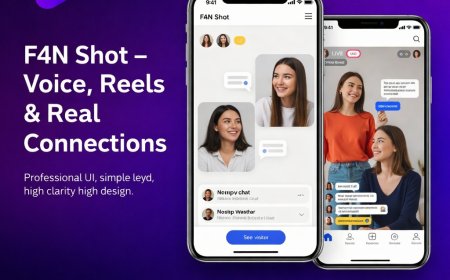
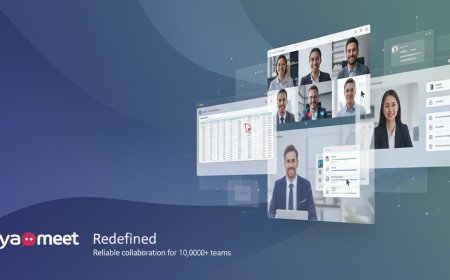
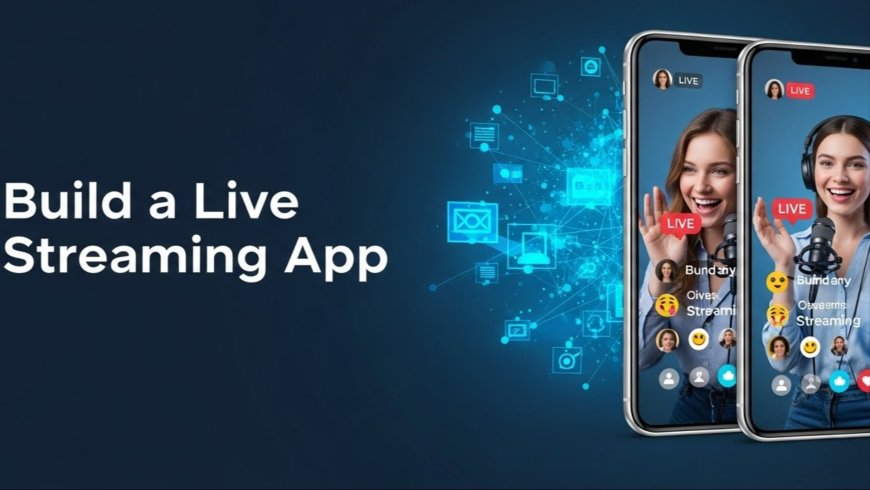
RTE-PaaS empowers developers with SDKs and infrastructure to embed real-time voice, video, and messaging into web, mobile, and desktop applications. Unlike traditional SaaS, it does not offer a finished application. Instead, it provides the building blocks for creating immersive real-time experiences.
At the core of RTE-PaaS is the Software-Defined Real-Time Network—a global virtual network that dynamically optimises data paths to minimise latency and packet loss. This architecture enables millions of concurrent users to interact with high-quality audio and video, something generic SaaS platforms struggle to achieve.
The Three Pillars of RTE Technology
RTE-PaaS is defined by three foundational elements:
-
Shared Context
All participants experience the same environment simultaneously, such as virtual classrooms or collaborative whiteboards.
-
Interactivity at Scale
The same system supports one-on-one interactions as well as broadcasts to millions of users.
-
Ubiquity
Users can engage from any device, anywhere, without losing continuity or performance.
Market Momentum
Market data clearly reflects the rapid adoption of RTE-PaaS. By 2030, the metaverse is projected to become an $800 billion opportunity, significantly increasing demand for real-time engagement infrastructure. In Q2 2022 alone, demand for real-time engagement technology grew by 63% year-over-year, with tens of thousands of new applications registered.
Today’s leading RTE platforms power nearly 60 billion minutes of live audio and video interactions every month, demonstrating massive global scale. At the same time, the global Platform-as-a-Service (PaaS) market was valued at approximately $144.91 billion in 2024 and is projected to reach $505.95 billion by 2032, growing at a CAGR of 17.1%.
AI and RTE-PaaS Convergence
Artificial intelligence is significantly enhancing RTE-PaaS capabilities. AI-driven engagement can increase interaction rates by up to 40%, directly improving user retention. AI avatars and non-player characters (NPCs) adapt to user behaviour in real time, creating experiences that feel alive rather than scripted.
Beyond AI, complementary technologies such as blockchain and NFTs enable digital ownership, while VR and AR deliver immersive environments. Meanwhile, 5G, edge computing, and cloud infrastructure ensure ultra-low latency, scalability, and reliability for real-time digital interactions.
Industry-Wide Transformation
RTE-PaaS is reshaping multiple industries:
-
Education: Virtual classrooms replicate real-world interaction through live video, whiteboards, screen sharing, and secure recordings.
-
Healthcare: Doctors and patients connect via secure real-time voice and video, enabling teleconsultations and instant data sharing.
-
Gaming: Real-time voice, video, screen sharing, and social interaction transform gaming into a live community experience.
-
Enterprise: The enterprise metaverse is expanding rapidly, driven by immersive collaboration, digital twins, and AI-powered virtual workspaces.
Why Developers Are Abandoning Generic SaaS
Building real-time infrastructure independently is expensive and technically complex. RTE-PaaS vendors democratize access by allowing developers to integrate advanced real-time engagement features without managing servers, networks, or latency optimisation.
Freemium pricing models accelerate adoption by offering thousands of free real-time minutes per month, with usage-based scaling. This lowers entry barriers while aligning platform revenue with customer success.
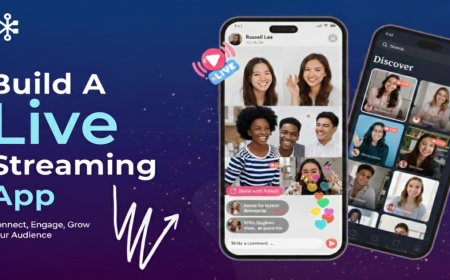
Use cases such as live-stream shopping, group video watching, multi-angle sports streaming, and collaborative events demonstrate how real-time engagement drives deeper user involvement.
The Road Ahead
As 5G networks expand and edge computing matures, latency will continue to decrease while capacity increases. The integration of generative AI with PaaS platforms will automate infrastructure management and optimise resource utilisation.
The shift from generic SaaS to RTE-PaaS is not merely a technological upgrade—it is a fundamental change in how software creates value. The future belongs to platforms that enable shared, real-time human experiences, not static tools.
The future of software is not accessed—it is experienced in real time. That future is RTE-PaaS.
Disclaimer:
This article is intended for informational and educational purposes only. Market data, projections, and technology trends mentioned are based on publicly available sources and industry insights and may change over time. The content does not constitute business, financial, or investment advice.
What's Your Reaction?
 Like
0
Like
0
 Dislike
0
Dislike
0
 Love
0
Love
0
 Funny
0
Funny
0
 Angry
0
Angry
0
 Sad
0
Sad
0
 Wow
0
Wow
0