












































































































































































The Psychology Behind Viral Content
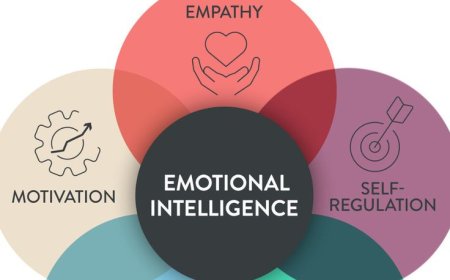
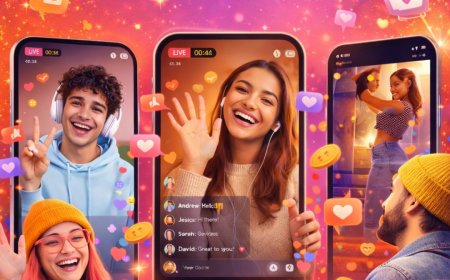
The Psychology Behind Viral Content explores why certain posts, videos, and ideas spread rapidly across the internet while others go unnoticed. At its core, viral content taps into human emotions, cognitive biases, and social behavior, making people feel compelled not just to consume content, but to share it. One of the strongest psychological drivers of virality is emotion. Content that evokes high-arousal emotions—such as surprise, joy, anger, awe, or inspiration—is more likely to be shared. People instinctively pass along content that makes them feel something strongly, as emotional reactions create a sense of urgency and connection. Another key factor is social identity and validation. Sharing viral content helps individuals express who they are, what they believe in, and what they find valuable. When content aligns with a person’s values or enhances their social image, it becomes a tool for self-expression and social belonging. Cognitive ease also plays a major role. Viral content is often simple, visually engaging, and easy to understand within seconds. In a fast-scrolling digital environment, the brain prefers content that requires minimal effort while delivering instant clarity or entertainment. The principle of social proof further fuels virality. When people see content gaining likes, comments, or shares, they perceive it as valuable or trustworthy, increasing the likelihood of further sharing. Algorithms amplify this effect by promoting content that already shows engagement. Finally, storytelling and relatability are crucial. Viral content often tells a short, compelling story or reflects shared experiences, making audiences feel seen and understood. This emotional resonance turns passive viewers into active sharers. Overall, the psychology behind viral content reveals that virality is less about luck and more about understanding human behavior, emotional triggers, and social dynamics in
1. What do you think is the biggest reason content goes viral?
Strong emotional impact
Relatability to everyday life
Algorithm boost & timing
Visual appeal (videos, design)
Total Votes: 0
2. Which emotion makes you most likely to share content?
Inspiration / Motivation
Humor / Entertainment
Anger / Outrage
Surprise / Shock
Total Votes: 0
3. When you share viral content, what’s usually the reason?

I relate to it personally
It represents my beliefs or values
It’s trending and popular
It’s useful or informative
Total Votes: 0
What's Your Reaction?
 Like
0
Like
0
 Dislike
0
Dislike
0
 Love
0
Love
0
 Funny
0
Funny
0
 Angry
0
Angry
0
 Sad
0
Sad
0
 Wow
0
Wow
0

Harshita Dhakad
Now working as a Social Media Marketing Executive at [Shakuniya Solutions Pvt Ltd]
Excited to create content that connects, campaigns that convert, and communities that grow. 💻💡 #SocialMediaLife #MarketingJourney”