

























































































































The "Save Game" Button for Industry: Why Digital Twins are the Real Future of Tech
Forget the cartoon Metaverse. In 2026, Digital Twins are providing a real "Save Game" button for heavy industry. See how Spatial Computing is fixing the world.
For years, we’ve been told that the "Metaverse" was the next big thing. We were supposed to buy digital real estate and attend meetings as legless cartoons. It was a fun idea, but for most people working real jobs in the real world, it felt like a solution in search of a problem.
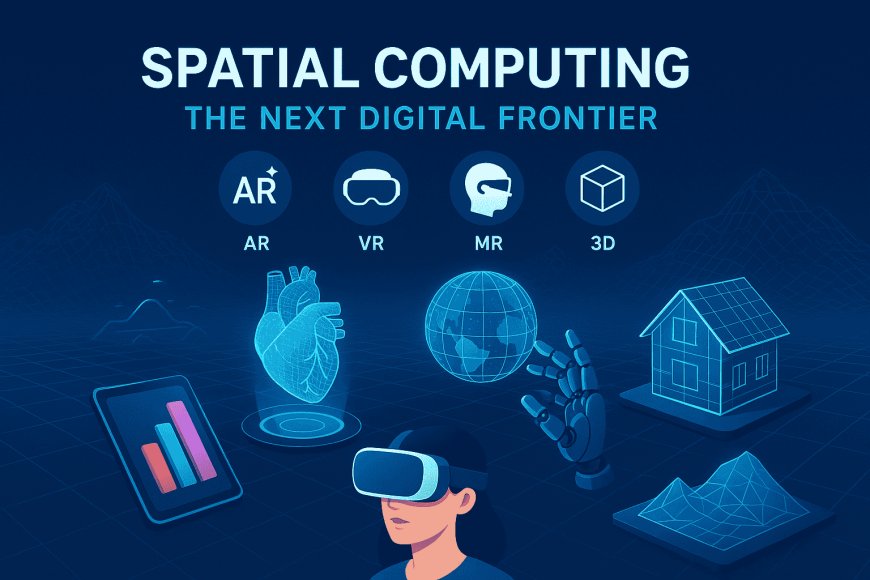
Well, the hype died, but something much more interesting took its place. It’s called Spatial Computing, and its killer app isn't a game—it’s the Digital Twin.
If you’re not an engineer, think of it this way: a Digital Twin is basically a "Save Game" button for reality.
The End of "Trial and Error"
In the old days (meaning, like, three years ago), if you wanted to change the layout of a massive factory floor or test a new surgical technique, you had to take a deep breath and hope for the best. If you moved a multi-million dollar piece of equipment and it blocked the workflow, you’d just lost a week of productivity. If a surgeon hit a snag during a complex procedure, they had to react in milliseconds.
Now? You just use the twin.
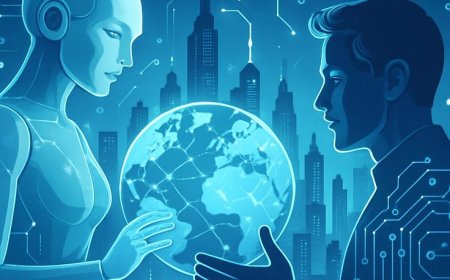
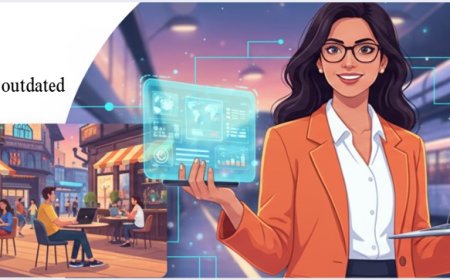
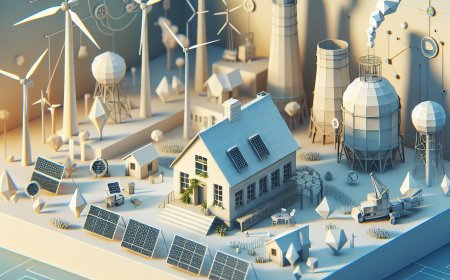
A Digital Twin is a perfect, 1:1 virtual replica of a physical object or system that’s fed by real-time data. When you put on a headset like the Vision Pro, you aren't looking at a "drawing" of a factory; you’re looking at a live, breathing digital ghost of it. You can move the machines, speed up the assembly line, or simulate a power failure—all in a 3D space where the "Undo" button actually exists.
Spatial Computing: Bringing the Data to the Room
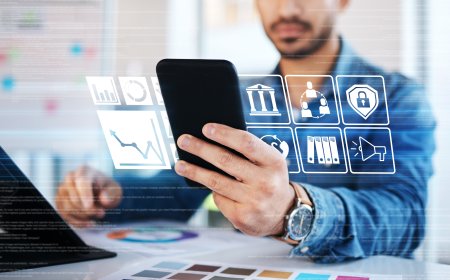
The "Spatial" part of this is the real game-changer. We’re moving away from looking at 2D charts on a monitor. Instead, the data is literally "in the room" with you.
I’ve seen mechanics use AR glasses to look at a jet engine. Instead of flipping through a 500-page manual, the Digital Twin overlays the repair instructions directly onto the physical parts. It’s like having an expert whispering in your ear, showing you exactly which bolt to turn.
Why This Matters for 2026
We’re seeing this explode right now for three main reasons:
-
5G is finally fast enough: You can’t have a digital twin that "lags" behind the real world. With 5G, the sensor data moves instantly.
-
AI is the Brain: The Twin provides the body, but AI provides the brain. It can run 10,000 "what-if" scenarios in the background and tell you, "Hey, this belt is going to snap in 4 hours," before it actually happens.
-
Sustainability: We can’t afford to waste material anymore. Simulating a build in a spatial environment means you only cut the steel once.
The "Metaverse" wanted us to live in a digital world. Spatial Computing wants to make the physical world better. By giving us a "Save Game" button for our most complex industries, we’re not just working faster—we’re working with a level of confidence we’ve never had before.
The future isn't a cartoon. It’s a high-resolution, data-driven replica of reality that we can hold in our hands.
What's Your Reaction?
 Like
0
Like
0
 Dislike
0
Dislike
0
 Love
0
Love
0
 Funny
0
Funny
0
 Angry
0
Angry
0
 Sad
0
Sad
0
 Wow
0
Wow
0