















































































































































Can You Spot Misinformation Online?
Can You Spot Misinformation Online? is an engaging awareness-focused quiz by Prime Synapse that challenges readers to test their ability to identify false, misleading, or manipulated information in the digital world. In an age of viral content, deepfakes, clickbait headlines, and AI-generated media, misinformation spreads faster than facts. This quiz places participants in real-world online scenarios—social media posts, news headlines, forwarded messages, and viral claims—to evaluate how well they can separate credible information from deception. The quiz highlights common misinformation tactics such as emotional manipulation, lack of reliable sources, misleading statistics, edited visuals, and confirmation bias. It encourages users to think critically before liking, sharing, or trusting online content. Designed for students, professionals, and everyday internet users, this quiz not only tests awareness but also educates participants on safe digital behavior. At the end, users receive insight into their digital literacy level, helping them understand whether they are cautious fact-checkers or vulnerable to misinformation traps. Can You Spot Misinformation Online? aligns with Prime Synapse’s mission to promote intelligent thinking, digital awareness, and responsible engagement in an increasingly complex information ecosystem.
1. Which of the following is a common sign of misinformation?

Citing multiple verified sources
Neutral and balanced language
Emotional or sensational headlines
Clear author credentials
Correct Answer
Wrong Answer
2. What should you check FIRST when you see a shocking news story online?

Number of likes and shares
Comments section
Source and website credibility
How fast it was posted
Correct Answer
Wrong Answer
3. Forwarded messages on social media are often unreliable because:
They are always fake
They lack original sources
They contain images
They are too long
Correct Answer
Wrong Answer
4. Which headline is MOST likely to be misinformation?
“Government Releases Official Economic Report”
“Experts Debate Climate Change Impact”
“This One Trick Will Make You Rich Overnight!”
“New Study Published in Medical Journal”
Correct Answer
Wrong Answer
5. Why are AI-generated deepfake videos dangerous?
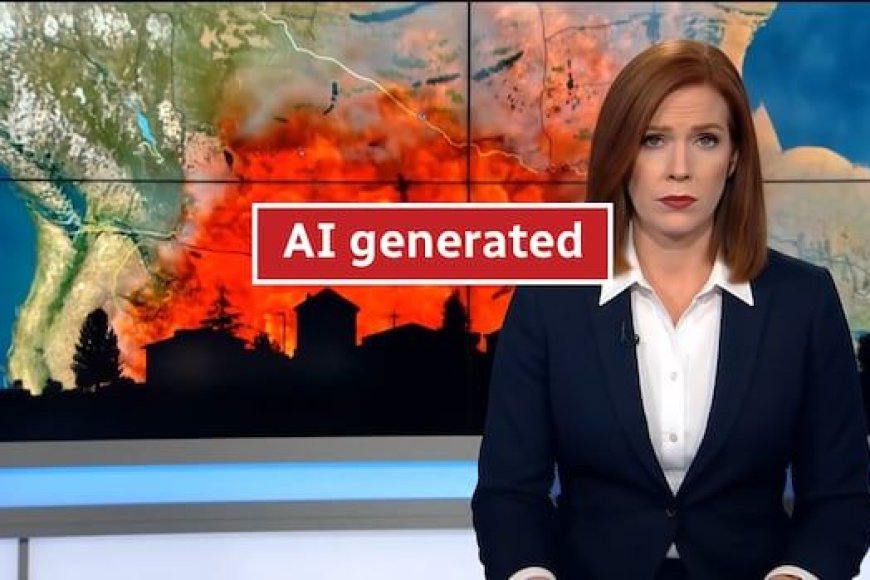
They are expensive to create
They look unrealistic
They can convincingly spread false information
They reduce internet speed
Correct Answer
Wrong Answer
What's Your Reaction?
 Like
0
Like
0
 Dislike
0
Dislike
0
 Love
0
Love
0
 Funny
0
Funny
0
 Angry
0
Angry
0
 Sad
0
Sad
0
 Wow
0
Wow
0

Harshita Dhakad
Now working as a Social Media Marketing Executive at [Shakuniya Solutions Pvt Ltd]
Excited to create content that connects, campaigns that convert, and communities that grow. 💻💡 #SocialMediaLife #MarketingJourney”